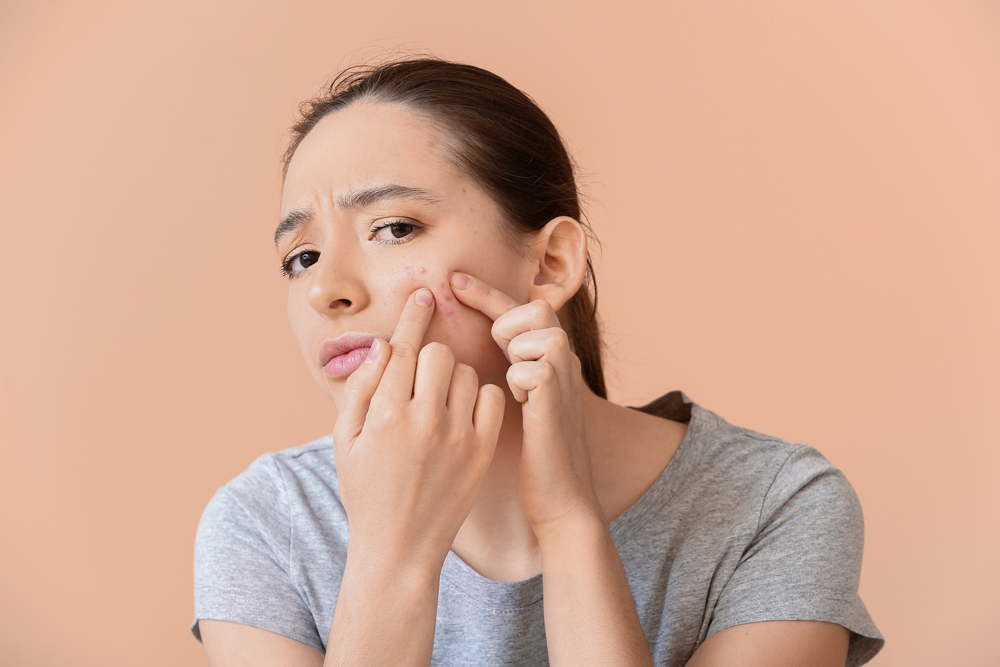
Healthy skin starts from within. While topical treatments, medications, and skincare routines play a role in managing acne and other skin conditions, your diet and gut health are equally important. The gut-skin connection is a growing area of research that shows how your digestive system influences inflammation, hormone balance, and the overall appearance of your skin. For individuals navigating addiction recovery, mental health challenges, or stress-related conditions, understanding this connection offers a powerful way to support both skin and overall wellness.
How the Gut Affects Your Skin
Your gut houses trillions of microorganisms that influence digestion, nutrient absorption, and immune function. When the balance of these gut bacteria is disrupted, it can lead to systemic inflammation and oxidative stress, both of which contribute to acne and other skin issues. A healthy gut supports efficient nutrient absorption, reduces inflammation, and helps regulate the body’s immune responses, creating the foundation for clearer, healthier skin.
Signs Your Gut May Be Affecting Your Skin
- Frequent breakouts, especially along the jawline and cheeks
- Slow healing of blemishes or inflamed areas
- Bloating, indigestion, or irregular bowel movements
- Sensitivity to certain foods that seem to trigger flare-ups
Recognizing these signs can guide you toward dietary adjustments and professional support that improve both gut and skin health.
Nutrients and Foods That Support Gut and Skin Health
Balanced nutrition is central to maintaining a healthy gut and, in turn, healthy skin. Specific nutrients and foods help reduce inflammation, support gut microbiota, and enhance skin repair.
Probiotic-Rich Foods
Fermented foods like yogurt, kefir, sauerkraut, and kimchi introduce beneficial bacteria into the gut. These probiotics help maintain microbial balance and support digestion, reducing inflammation that may lead to acne.
Prebiotic Foods
Prebiotics, found in garlic, onions, leeks, and bananas, provide nourishment for healthy gut bacteria. Feeding your microbiome can enhance its diversity, which is linked to better skin outcomes and improved overall health.
Anti-Inflammatory Nutrients
Omega-3 fatty acids from salmon, flaxseeds, and walnuts help calm systemic inflammation. Vitamins A, C, and E from colorful fruits and vegetables reduce oxidative stress and support skin repair.
Mindful Eating for Recovery and Skin Wellness
Individuals in recovery or managing mental health challenges often face unique stressors that affect digestion and nutrient absorption. Mindful eating—being intentional about what and how you eat—can support gut health, improve nutrient intake, and enhance the effectiveness of acne treatments.
Practical Tips for Supporting Your Gut and Skin
- Prioritize whole, nutrient-dense foods in every meal.
- Reduce processed foods, sugar, and refined carbohydrates that can disrupt gut balance.
- Stay hydrated to support digestion and detoxification.
- Observe which foods trigger flare-ups and track responses with a food journal.
- Consider professional guidance to create a personalized nutrition plan that integrates gut and skin health with recovery goals.
Conclusion
The gut-skin connection highlights the importance of holistic care in achieving clearer, healthier skin. By focusing on a balanced diet, supporting gut health with probiotics and prebiotics, and practicing mindful eating, you can reduce inflammation and enhance skin healing. For those managing acne alongside recovery or mental health challenges, these dietary strategies offer a powerful tool for overall wellness.
If acne or skin concerns are impacting your confidence or well-being, reach out to a trusted professional for personalized guidance. Integrating gut-friendly nutrition with individualized care and holistic support provides a strong foundation for healthier skin and lasting wellness.