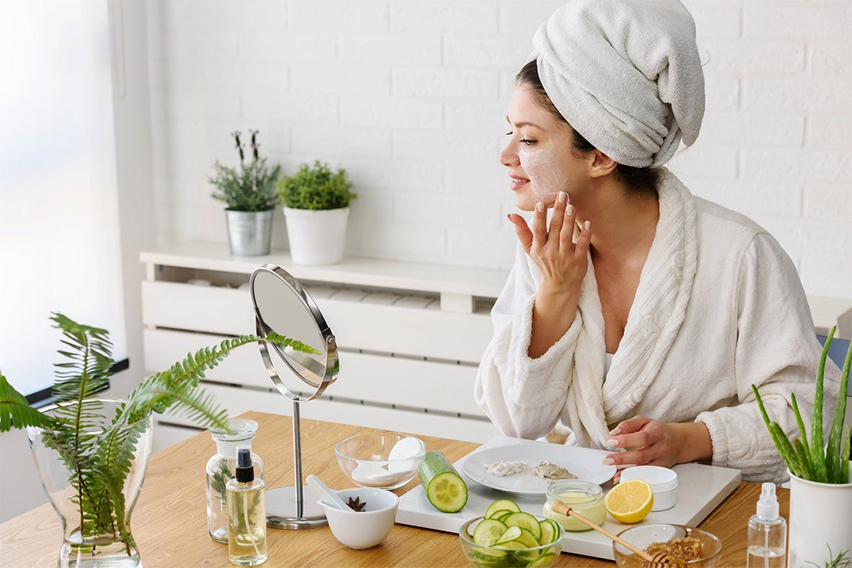
Your skincare routine may begin at the bathroom sink, but healthy skin is supported throughout your entire body. The foods and beverages you consume provide the nutrients your body uses for skin repair, immune function, hormone regulation, and maintaining a strong skin barrier. While no single food can cause or cure acne, your overall eating pattern can be one meaningful part of a comprehensive approach to better skin health. By making simple, sustainable nutrition choices, you can give your body better support while also building habits that contribute to your overall physical and emotional wellness.
This whole person perspective is especially important for individuals navigating addiction recovery or mental health treatment. Recovery involves learning to care for yourself in practical ways, and nutrition can help restore healthy routines, energy, and physical well-being. When appropriate nutrition is combined with professional treatment, individualized care, and holistic wellness practices, it can become part of a stronger foundation for long term health.
How Nutrition Connects to Acne and Skin Health
Acne is a complex skin condition. Hormones, genetics, oil production, inflammation, bacteria, stress, medications, and environmental factors can all contribute to breakouts. Diet is only one factor, but certain eating patterns may influence processes associated with acne.
For example, research has examined the relationship between high glycemic diets and acne. Foods that cause rapid increases in blood sugar may influence insulin and other hormonal signals involved in oil production and inflammation. Some research has also explored a possible connection between dairy intake and acne in certain individuals.
However, everyone’s skin is different. There is no universal acne diet that guarantees clear skin.
The goal should be balance, awareness, and nourishment rather than strict food rules.
Focus on Your Overall Eating Pattern
Instead of asking whether one particular food is good or bad for your skin, consider the bigger picture.
How often do you eat vegetables? Are you getting enough protein? Do you drink enough water? How frequently do sugary beverages or highly processed foods appear in your routine?
These questions can reveal more about your nutritional habits than focusing on a single ingredient.
Build Your Plate Around Nutrient Rich Foods
A balanced plate can provide many of the nutrients your body needs to maintain healthy skin.
Add Plenty of Fruits and Vegetables
Fruits and vegetables contain vitamins, minerals, antioxidants, and fiber that support normal body functions and healthy skin.
Consider adding foods such as:
- Berries
- Leafy greens
- Broccoli
- Bell peppers
- Carrots
- Sweet potatoes
- Tomatoes
- Citrus fruits
Try to include several different colors throughout the week. Variety makes meals more interesting while helping you obtain a broader range of nutrients.
Choose Quality Protein
Protein provides amino acids that help your body maintain and repair tissues, including skin.
Good choices include:
- Fish
- Eggs
- Chicken
- Turkey
- Beans
- Lentils
- Tofu
- Other minimally processed protein sources
Including protein in meals can also help you feel satisfied and maintain steadier energy throughout the day.
Include Healthy Fats
Healthy fats support the skin’s natural barrier and contribute to a balanced diet. Avocados, walnuts, chia seeds, flaxseeds, olive oil, and fatty fish are practical choices.
These foods also provide nutrients that support cardiovascular and overall health, making them useful beyond their potential benefits for the skin.
Pay Attention to Added Sugar
You do not have to eliminate every sweet food from your diet to care for your skin. However, it is worth considering how frequently foods and drinks high in added sugar appear in your daily routine.
Choose Lower Glycemic Options More Often
Highly refined carbohydrates and sugary foods can cause faster changes in blood glucose. Because high glycemic eating patterns have been studied in relation to acne, choosing more whole grains, legumes, vegetables, and other nutrient dense carbohydrates may be a useful strategy for some people.
For example, you might choose oatmeal with berries instead of a highly sweetened breakfast pastry. You could also replace a sugary soft drink with water or unsweetened tea.
Small substitutions can add up over time.
Hydration Is Part of Skin Care
Water is essential for normal body function, including circulation, digestion, and temperature regulation. Staying adequately hydrated also supports healthy skin function.
Make water your primary beverage whenever possible. Keeping a reusable bottle nearby can make hydration easier during work, exercise, treatment, or everyday activities.
Hydration is simple, but consistency matters.
Be Mindful of Sugary Drinks
Sodas, sweetened coffee beverages, energy drinks, and other sugary drinks can add substantial amounts of sugar without providing much nutritional value.
You do not necessarily need to eliminate them completely. Instead, consider making water or other unsweetened beverages your usual choices.
Support Your Gut Health
The digestive system and skin have complex connections through the immune system, inflammation, and nutrient absorption. While the gut-skin relationship is still being studied, maintaining a varied, fiber rich diet is an important part of general digestive health.
Choose Fiber Rich Foods
Beans, lentils, whole grains, fruits, vegetables, nuts, and seeds provide dietary fiber. Eating a variety of plant foods can help support a healthy digestive environment.
Fermented foods such as yogurt with live cultures, kefir, kimchi, and sauerkraut can also be included if they fit comfortably into your diet.
Remember that digestive health is individual. Persistent digestive symptoms should be discussed with an appropriate healthcare professional.
Track Your Eating and Skin Patterns
If you are curious about whether certain foods affect your acne, consider keeping a simple journal.
Record Your Meals
Write down what you eat and drink without judging yourself. You do not need to count every calorie or weigh every ingredient.
Simply recording meals can help you notice patterns.
Track Other Factors Too
Acne can change because of many factors, so also consider recording:
- Sleep quality
- Stress levels
- Menstrual or hormonal changes
- Skincare products
- Exercise
- New medications
- Changes in your skin
This broader picture can prevent you from blaming a particular food when another factor may actually be contributing to a breakout.
Nutrition and Addiction Recovery
Healthy nutrition has value beyond skin care. For individuals recovering from substance use, establishing regular meals can be an important part of rebuilding physical wellness.
Addiction can disrupt appetite, sleep, energy, and normal daily routines. During recovery, nourishing meals can help restore structure and provide the nutrients needed for physical healing.
Nutrition should complement professional addiction treatment rather than replace it. Inpatient and outpatient programs can provide different levels of structure and support based on individual needs.
Building Healthy Routines
A holistic approach to recovery considers the entire person. Counseling, medical care, mental health support, spiritual or faith based practices, peer support, physical activity, and healthy nutrition can all contribute to a more complete wellness plan.
Learning to prepare and enjoy nourishing meals can also become a practical form of self care. It reinforces the idea that recovery includes caring for your body as well as your emotional and mental health.
Simple Nutrition Habits You Can Start Today
Improving your diet does not require a complete lifestyle overhaul.
Make One Practical Change
Add vegetables to one meal each day. Keep fresh fruit available. Drink an extra glass of water. Include protein at breakfast. Replace one sugary beverage with an unsweetened option.
Choose a change that feels realistic.
Plan Before You Are Hungry
Preparing simple meals or snacks ahead of time can make nutritious choices easier. Keep convenient options such as fruit, nuts, yogurt, hard boiled eggs, or prepared vegetables available when you need something quick.
Avoid All or Nothing Thinking
One dessert does not undo a healthy diet. One fast food meal does not determine the health of your skin. Sustainable nutrition is about what you do most of the time.
Flexibility makes healthy habits easier to maintain.
When Professional Guidance Can Help
Nutrition can support healthy skin, but it is not a replacement for appropriate acne treatment. Persistent, painful, or severe acne should be evaluated by a qualified healthcare professional, particularly if it is affecting your confidence or quality of life.
Similarly, individuals dealing with addiction or mental health challenges deserve individualized support. A professional treatment plan can address the underlying concerns while helping you develop healthier routines that continue beyond treatment.
Conclusion: Start With What Is on Your Plate
Better skin does not require a perfect diet. Instead, focus on consistent choices that nourish your body. Fill your plate with colorful produce, quality protein, healthy fats, and fiber rich foods. Stay hydrated, pay attention to added sugar, and notice how your overall eating habits affect your energy and well-being.
Most importantly, give yourself patience. Skin health takes time, and acne is influenced by many factors beyond nutrition.
If breakouts are affecting your confidence, or if you are also facing addiction recovery or mental health challenges, reaching out for compassionate professional support can be an important next step. A personalized, whole person approach can help you build healthier routines while addressing the physical and emotional aspects of wellness.
What is on your plate is only one part of your skin health journey, but it is a part you can begin improving today. Start with one nourishing choice, make it consistent, and build from there.
