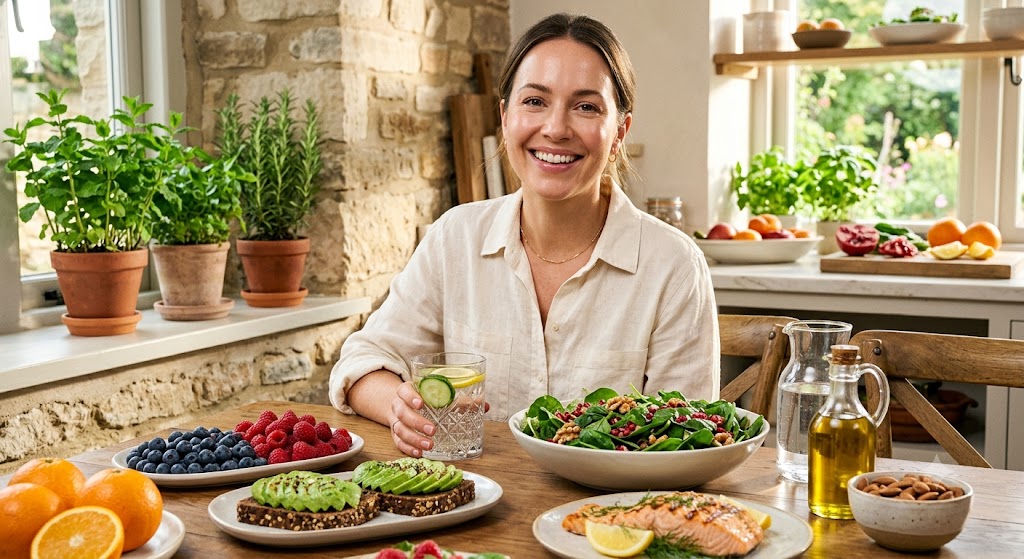
Intake for Your Skin's Health

Caring for Your Skin by Monitoring What You Ingest

Healthy Skin Starts Within: What to Watch in Your Diet for a Clearer Complexion

June 25th, 2026

Achieving a clearer complexion is about more than finding the right cleanser or acne treatment. While a consistent skincare routine is important, healthy skin starts within. The foods and beverages you consume every day can influence inflammation, hormone balance, gut health, and your body’s ability to repair itself. These internal factors play a significant role in acne development and overall skin wellness. By paying closer attention to your diet, you can take meaningful steps toward supporting clearer, healthier skin from the inside out.

For individuals navigating addiction recovery, mental health challenges, or periods of chronic stress, nutrition can be especially important. A balanced diet not only supports skin health but also contributes to emotional well-being, physical recovery, and long-term wellness.

Why Diet Matters for Skin Health

Your skin is constantly renewing itself. To do this effectively, it requires a steady supply of vitamins, minerals, antioxidants, healthy fats, and protein. When your body receives these nutrients consistently, it can better manage inflammation, regulate oil production, and repair damaged skin tissue.

Poor dietary habits, on the other hand, may contribute to nutrient deficiencies, blood sugar fluctuations, and increased inflammation. These factors can make acne more difficult to manage and may slow the skin’s natural healing process.

The Role of Inflammation in Acne

Inflammation is one of the most common underlying factors associated with acne. While inflammation is a normal part of the body’s defense system, chronic inflammation can worsen skin irritation and contribute to frequent breakouts.

Certain dietary choices may either increase or decrease inflammation. Understanding these influences can help you make more informed decisions about what you eat.

Foods and Habits That Support a Clearer Complexion

Building a skin-friendly diet does not require perfection. Instead, focus on creating consistent habits that nourish your body and support healing.

Prioritize Colorful Fruits and Vegetables

Fruits and vegetables are rich in antioxidants, vitamins, and fiber. These nutrients help protect skin cells from damage and support the body’s natural repair processes.

Some excellent choices include:

  • Berries
  • Spinach
  • Kale
  • Carrots
  • Sweet potatoes
  • Bell peppers
  • Citrus fruits

These foods provide vitamins A and C, which are important for healthy skin function and collagen production.

Include Healthy Fats

Healthy fats help maintain the skin’s protective barrier and support hydration. They may also help reduce inflammation throughout the body.

Good sources include:

  • Avocados
  • Olive oil
  • Walnuts
  • Chia seeds
  • Flaxseeds
  • Fatty fish such as salmon

Including these foods regularly can support both skin health and overall wellness.

Eat Adequate Protein

Protein plays a critical role in tissue repair and regeneration. Since the skin is constantly renewing itself, adequate protein intake is essential.

Lean protein sources include:

  • Chicken
  • Turkey
  • Fish
  • Eggs
  • Beans
  • Lentils
  • Tofu

These foods provide amino acids that help support healthy skin recovery and maintenance.

Support Gut Health

Many experts recognize the close relationship between gut health and skin health. An imbalance in the digestive system can contribute to inflammation and affect the body’s ability to absorb nutrients effectively.

Foods that support gut health include:

  • Yogurt with live cultures
  • Kefir
  • Sauerkraut
  • Kimchi
  • Fiber-rich fruits and vegetables

A healthy gut environment may help support clearer skin over time.

What to Watch Out for in Your Diet

While no single food causes acne in every individual, certain dietary patterns may contribute to skin concerns.

Excess Sugar Consumption

Highly sugary foods and beverages can cause rapid spikes in blood sugar levels. These fluctuations may increase insulin activity, which can influence oil production and inflammation.

Common sources include:

  • Soft drinks
  • Candy
  • Sweetened coffee beverages
  • Pastries
  • Processed desserts

Reducing added sugar intake may benefit both skin health and overall wellness.

Highly Processed Foods

Packaged snacks, fast food, and heavily processed meals often provide limited nutritional value while contributing to inflammation.

Choosing whole, minimally processed foods more often can help support healthier skin and improved energy levels.

Inconsistent Eating Habits

Skipping meals or relying on irregular eating patterns may affect blood sugar stability and energy levels. Consistent, balanced meals help provide the nutrients your body needs to function optimally.

Nutrition, Recovery, and Whole-Person Healing

For individuals receiving addiction recovery services or mental health treatment, nutrition is often a valuable component of the healing process. Substance use disorders, chronic stress, anxiety, and depression can all affect appetite, digestion, and nutrient absorption.

A balanced diet supports more than physical health. It can improve mood, increase energy, support cognitive function, and strengthen resilience during recovery. This is why holistic and individualized treatment approaches often include nutritional support as part of comprehensive care.

Whether someone is participating in inpatient treatment, outpatient care, faith-based programs, or ongoing recovery support, healthy eating habits can reinforce positive lifestyle changes and contribute to long-term success.

Practical Steps to Improve Your Diet Today

Making changes does not have to be overwhelming. Start with small, manageable actions:

  1. Drink more water throughout the day.
  2. Add a serving of vegetables to each meal.
  3. Choose whole foods when possible.
  4. Include protein with every meal.
  5. Limit sugary drinks and processed snacks.
  6. Keep healthy snacks available for busy days.

Over time, these simple adjustments can support healthier skin and improved overall wellness.

Conclusion: Nourish Your Body for Healthier Skin

Healthy skin truly starts within. The choices you make at the grocery store, in the kitchen, and at the table can have a lasting impact on your complexion and overall well-being. By focusing on nutrient-rich foods, supporting gut health, and reducing inflammatory dietary habits, you give your body the tools it needs to heal and thrive.

If acne concerns are affecting your confidence or quality of life, professional support can help you identify a personalized path forward. A comprehensive approach that considers nutrition, mental health, and individualized care can create meaningful improvements that extend far beyond your skin.

Every healthy choice is an investment in your future. By nourishing your body from the inside out, you can support clearer skin, greater confidence, and a stronger foundation for lifelong wellness.

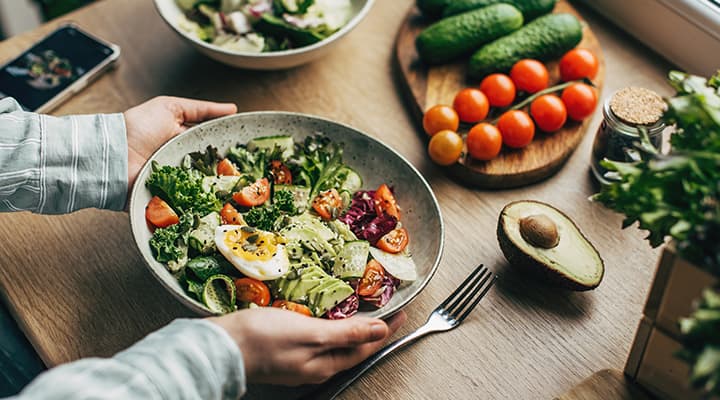
Think Before You Eat: Everyday Diet Habits That Influence Acne and Skin Health

June 18th, 2026

When it comes to managing acne and improving skin health, many people focus on what they apply to their skin but overlook one of the most important influences: what they put into their bodies. Everyday diet habits can affect inflammation, hormone balance, digestion, and the body’s ability to heal. The foods and drinks you consume regularly may play a role in how your skin looks, feels, and responds to breakouts.

For individuals working through addiction recovery, mental health challenges, or major lifestyle changes, nutrition can become an important part of rebuilding overall wellness. A balanced approach to eating supports physical healing, emotional stability, and the body’s natural ability to restore balance.

The Connection Between Diet and Acne Health

Acne is a complex skin condition influenced by many factors, including genetics, hormones, stress, skincare habits, and nutrition. While diet is not the only cause of acne, research shows that certain eating patterns may contribute to inflammation and skin imbalance.

Your body uses the nutrients from food to repair cells, regulate hormones, and maintain healthy skin function. When your diet consistently provides the right nutrients, your skin has the support it needs to heal. However, frequent consumption of highly processed foods, added sugars, and nutrient-poor meals may create challenges for your skin.

How Inflammation Affects Your Skin

Inflammation is a natural process that helps the body respond to injury and illness. However, ongoing inflammation can contribute to redness, irritation, and more frequent acne flare-ups.

Foods that are high in sugar or heavily processed may increase inflammation in some individuals. On the other hand, foods rich in antioxidants, vitamins, and healthy fats can help support a more balanced inflammatory response.

Everyday Diet Habits That Support Healthier Skin

Improving your skin health does not require extreme dieting. Small, consistent changes can create meaningful improvements over time.

Build Meals Around Whole Foods

Whole foods provide the nutrients your body needs to function properly. Fruits, vegetables, lean proteins, whole grains, and healthy fats provide vitamins and minerals that support skin repair and overall wellness.

Colorful fruits and vegetables are especially valuable because they contain antioxidants that help protect skin cells from damage. Foods like berries, leafy greens, carrots, and citrus fruits provide nutrients that support a healthy complexion.

Maintain Balanced Blood Sugar Levels

Blood sugar balance plays an important role in skin health. Meals high in refined sugars and simple carbohydrates can cause rapid blood sugar spikes, which may influence hormone activity and oil production.

To support balance, try pairing carbohydrates with protein, fiber, or healthy fats. For example, combining fruit with nuts or adding protein to meals can help provide more steady energy throughout the day.

Include Skin-Supporting Nutrients

Certain nutrients are especially helpful for maintaining healthy skin.

Vitamin-Rich Foods

Vitamin A supports skin cell turnover, while vitamin C helps with collagen production. Foods such as sweet potatoes, spinach, oranges, and bell peppers are excellent sources.

Omega-3 Fatty Acids

Healthy fats from salmon, walnuts, flaxseeds, and chia seeds may help reduce inflammation and support the skin barrier.

Protein Sources

Protein provides the building blocks needed for tissue repair. Eggs, fish, poultry, beans, and lentils help support healing and overall body function.

Foods That May Affect Acne-Prone Skin

Everyone’s skin responds differently to food, but some dietary patterns may contribute to breakouts for certain people.

High-Sugar Foods and Drinks

Soda, candy, desserts, and other sugary foods can cause blood sugar fluctuations. Over time, frequent spikes may contribute to inflammation and skin imbalance.

Highly Processed Foods

Fast food, packaged snacks, and processed meals often contain ingredients that may not provide the nutrients needed for healthy skin.

Certain Dairy Products

Some individuals notice changes in their skin when consuming certain dairy products. If you suspect a connection, tracking your diet and skin changes can help identify patterns.

Nutrition, Mental Health, and Recovery

Food choices affect more than skin health. Nutrition is closely connected to mood, energy, focus, and overall wellness. For individuals in addiction recovery or mental health treatment, developing healthy eating habits can support the healing process.

Stress, emotional struggles, and substance use can affect appetite, digestion, and nutrient levels. Rebuilding a balanced relationship with food can provide structure and support during recovery.

Holistic, individualized treatment approaches recognize that lasting wellness involves caring for the whole person. Nutrition, mental health support, and personalized care all work together to promote healing.

Simple Ways to Create Skin-Friendly Eating Habits

Healthy changes are easier to maintain when they feel realistic. Consider these practical steps:

  1. Drink enough water throughout the day.
  2. Add more fruits and vegetables to your meals.
  3. Choose whole foods more often than processed options.
  4. Include protein and healthy fats with meals.
  5. Pay attention to how your body and skin respond to different foods.

The goal is progress, not perfection. Consistency is what creates long-term results.

Conclusion: Make Food Choices That Support Your Skin and Wellness

Your daily diet habits can influence your skin health in powerful ways. By thinking before you eat and choosing foods that support balance, you give your body the tools it needs to heal, repair, and maintain healthier skin.

Clearer skin is not only about appearance. It is also connected to confidence, self-care, and overall wellness. If acne or other skin concerns are affecting your quality of life, a personalized approach that considers nutrition, mental health, and whole-person care can help you move forward.

Every meal is a chance to support your body. With mindful choices and consistent habits, you can create a stronger foundation for healthier skin and lasting well-being.

The Food and Skin Connection: How Smart Nutrition Choices Can Help Prevent Breakouts

June 10th, 2026

Healthy skin is often associated with cleansers, moisturizers, and acne treatments, but one of the most important factors influencing skin health is something many people overlook: nutrition. The foods and beverages you consume every day can impact inflammation, hormone balance, digestion, and your body’s natural healing processes. Together, these factors play a significant role in whether your skin thrives or struggles with recurring breakouts.

For individuals working toward better health, including those navigating addiction recovery or mental health challenges, nutrition can be a powerful tool for healing. A balanced diet not only supports clearer skin but also contributes to improved mood, energy, and overall wellness. Understanding the connection between food and skin health can help you make informed choices that benefit your body from the inside out.

Understanding the Food and Skin Connection

Your skin is your body’s largest organ, and like every other organ, it depends on proper nutrition to function effectively. When your body receives essential vitamins, minerals, antioxidants, and healthy fats, your skin is better equipped to repair itself, manage inflammation, and maintain a healthy appearance.

Conversely, poor dietary habits can contribute to inflammation and hormonal fluctuations that may trigger or worsen acne. While no single food causes acne in everyone, certain eating patterns are associated with increased breakouts in many individuals.

How Inflammation Affects Acne

Inflammation is a natural response that helps the body heal. However, chronic inflammation can contribute to a variety of health concerns, including acne. Diets high in processed foods, refined sugars, and unhealthy fats may increase inflammatory activity throughout the body.

When inflammation rises, acne lesions may become more severe, take longer to heal, and leave behind more noticeable marks. Choosing anti-inflammatory foods can help support healthier skin and overall wellness.

Smart Nutrition Choices for Clearer Skin

Making skin-friendly dietary choices does not require extreme restrictions. Instead, focus on creating balanced meals that nourish your body consistently.

Prioritize Whole Foods

Whole foods provide nutrients in their most natural form. Fresh vegetables, fruits, whole grains, legumes, lean proteins, nuts, and seeds supply vitamins and minerals that support skin repair and immune function.

Colorful fruits and vegetables are particularly beneficial because they contain antioxidants that help protect skin cells from damage caused by environmental stressors and inflammation.

Choose Healthy Fats

Healthy fats play a crucial role in maintaining the skin’s protective barrier. Foods such as avocados, olive oil, walnuts, flaxseeds, and fatty fish contain nutrients that support hydration and reduce inflammation.

Omega-3 fatty acids, in particular, may help calm inflammatory responses associated with acne-prone skin.

Support Gut Health

Research continues to highlight the connection between gut health and skin health. A balanced gut microbiome can help regulate inflammation and improve nutrient absorption.

Foods such as yogurt with live cultures, kefir, sauerkraut, kimchi, and other fermented foods can support digestive wellness. Fiber-rich foods also promote healthy digestion and contribute to overall skin health.

Foods That May Contribute to Breakouts

While every person responds differently, some foods are more commonly associated with acne flare-ups.

Refined Sugars and Processed Carbohydrates

Sugary snacks, soft drinks, pastries, and highly processed carbohydrates can cause rapid increases in blood sugar. These spikes may trigger hormonal responses that stimulate oil production and contribute to clogged pores.

Highly Processed Foods

Many packaged foods contain ingredients that may promote inflammation when consumed frequently. Limiting highly processed options and focusing on whole foods can support both skin and overall health.

Individual Food Sensitivities

Some individuals notice that specific foods seem to worsen their skin. Keeping a food journal may help identify patterns between dietary choices and acne flare-ups. This approach allows for personalized adjustments rather than unnecessary restrictions.

Nutrition as Part of Holistic Healing

For individuals recovering from substance use disorders or managing mental health challenges, nutrition is an important component of comprehensive care. Poor nutrition can affect energy levels, emotional well-being, sleep quality, and physical health.

Holistic treatment approaches recognize that healing involves more than addressing symptoms. Supporting the body through balanced nutrition can strengthen recovery efforts and improve quality of life. When people feel physically stronger and more energized, they are often better equipped to engage fully in their treatment and personal growth.

Building Sustainable Habits

Long-term wellness comes from consistency, not perfection. Small changes can produce meaningful results over time.

Consider these practical strategies:

  • Eat balanced meals that include protein, healthy fats, and fiber.
  • Stay hydrated throughout the day.
  • Include fruits and vegetables in every meal.
  • Limit highly processed snacks and sugary beverages.
  • Practice mindful eating and pay attention to how foods affect your body.

These simple habits support both skin health and overall wellness.

Conclusion

The connection between food and skin health is powerful. While skincare treatments remain important, what you eat can significantly influence inflammation, healing, and the frequency of breakouts. By making smart nutrition choices and focusing on whole, nutrient-dense foods, you can support clearer skin and better overall health.

For those navigating addiction recovery, mental health treatment, or other personal wellness challenges, nutrition offers an additional pathway toward healing. Every healthy choice you make contributes to a stronger foundation for recovery, confidence, and long-term well-being.

If you are struggling with acne, emotional wellness concerns, or challenges related to recovery, seeking professional support can help you create a personalized plan that addresses your unique needs. Healing is most effective when it considers the whole person, and that includes the important connection between nutrition and skin health.

From Nutrition to Skin Clarity: How What You Consume Impacts Breakouts and Balance

June 3rd, 2026

Clear, healthy skin is often seen as something achieved through creams, serums, and treatments. While those play an important role, lasting skin clarity is deeply influenced by something more fundamental: what you consume every day. Food and drink directly affect inflammation, hormone balance, gut health, and the body’s ability to repair itself, all of which are closely tied to acne and overall skin health.

For individuals in addiction recovery, mental health treatment, or periods of high stress, nutrition becomes even more important. The body is working to restore balance, and consistent, supportive nourishment can help strengthen both physical and emotional healing.

How What You Consume Affects Skin Health

Your skin is a reflection of internal processes. When the body is nourished with whole, nutrient-rich foods, it can regulate oil production, reduce inflammation, and repair damaged tissue more effectively. When the diet is high in processed foods, sugar, and unhealthy fats, these systems can become disrupted, leading to breakouts and imbalance.

Inflammation and Acne Flare-Ups

Inflammation is one of the key drivers of acne. Certain foods can increase inflammatory responses in the body, leading to redness, swelling, and clogged pores. Over time, chronic inflammation can make acne more persistent and harder to manage.

On the other hand, anti-inflammatory foods help calm the body internally, supporting clearer skin and more stable overall health.

Nutrients That Support Skin Clarity and Balance

Achieving skin clarity does not require restrictive dieting. Instead, it comes from consistently choosing foods that nourish the body and support healing.

1. Antioxidant-Rich Fruits and Vegetables

Fruits and vegetables such as berries, spinach, kale, oranges, and carrots are rich in vitamins A and C. These nutrients help repair skin cells, reduce oxidative stress, and support collagen production, which is essential for smooth and healthy skin.

2. Healthy Fats for Skin Barrier Function

Healthy fats are essential for maintaining the skin’s protective barrier. They help retain moisture and reduce inflammation. Foods like avocados, olive oil, walnuts, chia seeds, and salmon provide omega-3 fatty acids that support hydration and skin resilience.

3. Lean Proteins for Repair and Renewal

Protein is necessary for rebuilding skin tissue and supporting immune function. Eggs, chicken, turkey, beans, lentils, and fish provide amino acids that help the skin recover more efficiently from breakouts and irritation.

4. Gut-Friendly Foods for Internal Balance

The gut and skin are closely connected through the gut-skin axis. A healthy gut microbiome helps regulate inflammation and improve nutrient absorption. Fermented foods such as yogurt, kefir, kimchi, and sauerkraut can support gut health and contribute to clearer skin over time.

5. Hydration for Skin Function

Water is essential for detoxification, circulation, and skin elasticity. Proper hydration helps flush out toxins and supports the skin’s natural healing process. Herbal teas and water-rich foods like cucumbers and watermelon also contribute to daily hydration needs.

Foods That May Contribute to Breakouts

While every individual responds differently, certain foods are commonly associated with acne flare-ups:

  • Sugary foods and beverages such as soda, candy, and pastries
  • Highly processed foods like chips and packaged snacks
  • Refined carbohydrates such as white bread and pasta
  • Excess dairy products in some individuals

Being mindful of these foods and observing how your skin responds can help you identify personal triggers over time.

Nutrition, Mental Health, and Recovery

For individuals in addiction recovery or mental health treatment, nutrition plays a broader role beyond skin health. Substance use, chronic stress, and emotional challenges can deplete nutrients, disrupt digestion, and increase inflammation in the body.

Balanced nutrition helps restore energy levels, stabilize mood, and support cognitive function. It also encourages structure and routine, which are essential in recovery. Regular, nourishing meals can provide a sense of stability and reinforce healthy daily habits.

Holistic, faith-based, inpatient, and outpatient treatment approaches all emphasize caring for the whole person. Nutrition fits naturally into this model by supporting both internal healing and external well-being.

Practical Steps Toward Skin Clarity Through Nutrition

Small, consistent changes are often more effective than drastic dietary shifts.

  1. Add fruits or vegetables to every meal
  2. Choose whole foods over processed snacks
  3. Include a source of healthy fat and protein in each meal
  4. Drink water consistently throughout the day
  5. Track how your skin responds to different foods

Over time, these habits can significantly improve skin clarity and overall wellness.

Conclusion: Build Skin Clarity from the Inside Out

What you consume every day has a direct impact on your skin’s clarity, balance, and overall health. By focusing on nutrient-rich foods, reducing inflammatory triggers, and supporting gut health, you can help your body heal from within and promote long-term skin improvement.

If acne or skin concerns are affecting your confidence or quality of life, you do not have to face them alone. Professional care that integrates nutrition, mental health support, and individualized treatment can help you achieve lasting results.

True skin clarity begins with internal balance. When you nourish your body with intention, you support not only healthier skin but also stronger overall well-being and recovery.