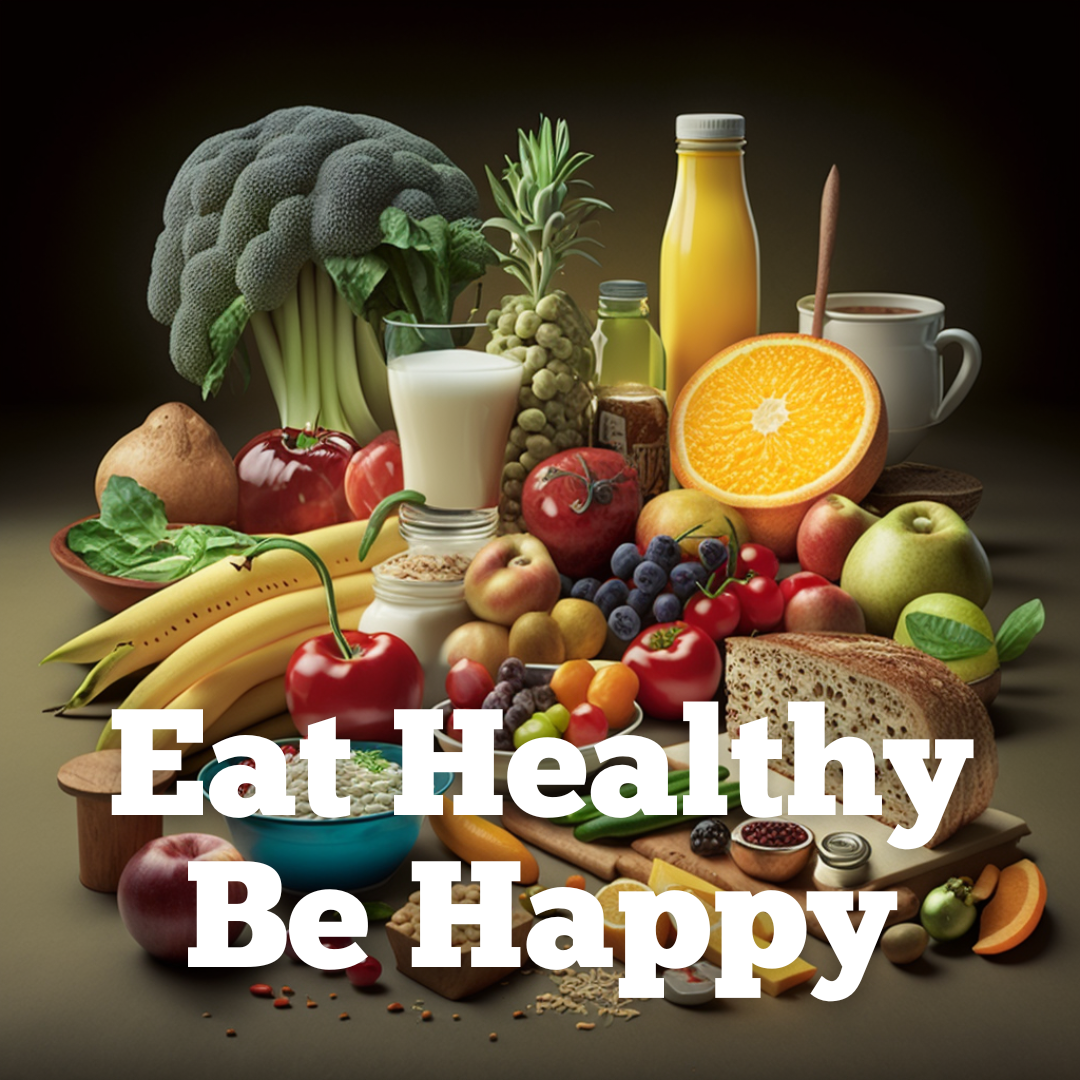
Healthy, clear skin is not just the result of topical treatments or skincare routines. It is deeply connected to what you eat every day. Nutrition influences inflammation, hormone balance, gut health, and your body’s ability to repair itself. When you consistently choose skin-friendly foods, you support healing from the inside out and create a strong foundation for long-term skin health.
For individuals navigating addiction recovery, mental health challenges, or chronic stress, nutrition becomes even more important. The body often needs extra support during these times, and balanced eating can help restore energy, stabilize mood, and improve both physical and emotional wellness.
How Nutrition Affects Skin Healing
Your skin is a reflection of your internal health. When the body is nourished with vitamins, minerals, and antioxidants, it can repair damaged tissue, reduce inflammation, and regulate oil production more effectively. On the other hand, diets high in processed foods and sugar can increase inflammation and slow down the healing process.
Inflammation and Skin Health
Inflammation is one of the primary drivers of acne and other skin conditions. It can be triggered by stress, poor diet, lack of sleep, and environmental factors. Certain foods can either worsen or reduce inflammation. Choosing anti-inflammatory foods supports clearer skin and a more balanced internal system.
Skin-Friendly Nutrition: Foods That Support Healing
You do not need a restrictive diet to improve your skin. Instead, focus on adding nourishing foods that naturally support the body’s healing process.
1. Colorful Fruits and Vegetables
Fruits and vegetables are rich in antioxidants, vitamins, and minerals that protect skin cells from damage. Berries, oranges, spinach, kale, and carrots are especially beneficial. These foods support collagen production, improve skin texture, and reduce oxidative stress.
2. Healthy Fats for Skin Barrier Support
Healthy fats help maintain the skin’s natural barrier, which protects against dryness and irritation. Avocados, olive oil, nuts, seeds, and fatty fish like salmon provide omega-3 fatty acids that reduce inflammation and support hydration.
3. Lean Proteins for Repair and Regeneration
Protein is essential for rebuilding skin tissue and supporting immune function. Foods such as eggs, chicken, turkey, beans, and lentils provide amino acids that help the skin heal more efficiently and maintain its structure.
4. Gut-Friendly Foods for Internal Balance
A healthy gut plays a major role in skin health. Fermented foods like yogurt, kefir, sauerkraut, and kimchi help maintain a balanced microbiome. A well-functioning gut reduces inflammation and improves nutrient absorption, both of which are important for clear skin.
5. Hydration for Skin Clarity
Water is essential for detoxification, circulation, and skin elasticity. Proper hydration helps flush out toxins and keeps the skin looking healthy and vibrant. Herbal teas and water-rich fruits like cucumber and watermelon also support hydration.
Nutrition, Recovery, and Mental Health
For individuals in addiction recovery or mental health treatment, nutrition plays a critical role in overall healing. Substance use and chronic stress can deplete essential nutrients, disrupt digestion, and increase inflammation in the body. Over time, this can affect both skin health and emotional stability.
Balanced nutrition helps restore energy levels, regulate mood, and support cognitive function. It also provides structure and routine, which are important elements of recovery. When combined with professional care, nutrition becomes a powerful tool for rebuilding both physical and emotional health.
Holistic, faith-based, inpatient, and outpatient treatment approaches all emphasize the importance of caring for the whole person. Skin-friendly nutrition aligns with this philosophy by supporting healing from the inside out.
Practical Steps to Start Eating for Skin Health
Making changes does not have to be overwhelming. Small, consistent habits can lead to noticeable improvements.
- Add one serving of fruits or vegetables to every meal.
- Replace processed snacks with whole food options.
- Include a source of healthy fat in your daily meals.
- Drink water consistently throughout the day.
- Pay attention to how your skin responds to different foods.
Over time, these simple steps can significantly improve skin clarity and overall wellness.
Conclusion: Heal Your Skin by Nourishing Your Body
Skin-friendly nutrition is not about strict rules or temporary diets. It is about consistently choosing foods that support your body’s natural ability to heal. When you focus on whole, nutrient-rich foods, you reduce inflammation, strengthen your skin barrier, and promote long-term clarity and health.
If acne or skin concerns are affecting your confidence or well-being, you do not have to manage it alone. Professional support that integrates nutrition, mental health care, and personalized treatment can help you achieve lasting results.
Taking care of your body from the inside out is one of the most powerful steps you can take toward healing, recovery, and renewed confidence.