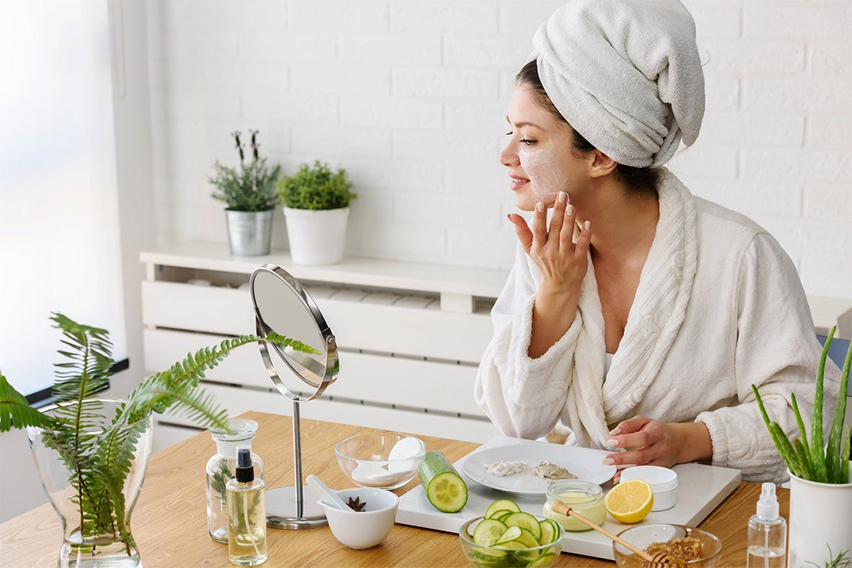
Healthy skin is shaped by more than what you apply to your face. Your daily nutrition supplies the body with the vitamins, minerals, protein, healthy fats, and other nutrients it needs to maintain the skin barrier, regulate normal body functions, and support healing. While diet is not the sole cause of acne and no single food can guarantee clear skin, monitoring what you eat can help you recognize habits that may influence your complexion. By taking a thoughtful approach to nutrition, you can support acne management while also strengthening your overall physical and emotional wellness.
This inside out approach can be especially valuable for people working through addiction recovery or mental health challenges. Healing often involves rebuilding daily routines and learning healthier ways to care for yourself. Nutrition can become one practical part of that process. When balanced eating habits are combined with professional treatment, individualized care, and holistic wellness practices, they can help create a stronger foundation for long term health.
How Your Diet Can Affect Acne
Acne is a complex condition influenced by hormones, genetics, oil production, inflammation, bacteria, stress, medications, and environmental factors. Diet is one piece of this larger picture.
Research has explored possible connections between acne and certain dietary patterns, particularly diets high in refined carbohydrates and added sugars. Some studies have also examined dairy consumption and acne in certain populations. However, individual responses vary, so it is important to avoid assuming that one food is responsible for every breakout.
Instead, think about your overall eating pattern.
Look for Patterns Over Time
A breakout that appears after one meal does not necessarily mean that meal caused it. Acne can take time to develop, and many factors can influence the skin simultaneously.
Tracking your meals and skin changes over several weeks can provide more useful information than reacting to individual foods.
Consider recording:
- Meals and snacks
- Sugary drinks
- Water intake
- New breakouts
- Skin redness or irritation
- Sleep quality
- Stress levels
- Skincare changes
- Medications or supplements
This approach encourages curiosity rather than unnecessary restriction.
Create a Balanced Diet for Skin Health
Monitoring your diet should not become an exercise in avoiding everything you enjoy. A better approach is to focus on adding nutritious foods that support your body’s needs.
Eat More Fruits and Vegetables
Colorful produce provides vitamins, minerals, antioxidants, and fiber that support overall health and normal skin function.
Consider adding:
- Berries
- Leafy greens
- Broccoli
- Carrots
- Bell peppers
- Sweet potatoes
- Tomatoes
- Oranges
- Avocados
Aim for variety rather than perfection. Different fruits and vegetables provide different nutrients, so a colorful plate can help broaden your nutritional intake.
Include Quality Protein
Protein provides amino acids that your body uses for tissue maintenance and repair.
Healthy choices include fish, eggs, poultry, beans, lentils, tofu, and other protein sources that fit your individual dietary needs.
Including protein with meals can also help you feel satisfied for longer, making it easier to maintain consistent eating habits.
Choose Healthy Fats
Healthy fats are important for overall nutrition and support the skin’s natural barrier.
Good choices include:
- Salmon
- Sardines
- Walnuts
- Chia seeds
- Flaxseeds
- Olive oil
- Avocados
These foods can provide nutrients that support general wellness while fitting naturally into a balanced eating pattern.
Pay Attention to Added Sugar
Added sugar deserves attention because high glycemic eating patterns have been studied in relation to acne. Foods that rapidly raise blood glucose can affect insulin and other metabolic signals that may influence processes associated with breakouts.
This does not mean you need to eliminate all sugar.
Make Simple Substitutions
Instead of making dramatic restrictions, try manageable changes.
You might:
- Choose whole fruit instead of candy more often
- Drink water instead of soda
- Select plain or lightly sweetened yogurt
- Choose whole grains more frequently
- Pair carbohydrates with protein or healthy fats
- Save desserts for occasional enjoyment
The objective is to develop an eating pattern that feels sustainable.
Do Not Fear Food
Overly restrictive diets can create unnecessary stress and make it harder to meet your nutritional needs. Food should provide nourishment and enjoyment.
If you suspect that a specific food consistently affects your skin, discuss your observations with a qualified healthcare professional or registered dietitian before eliminating major food groups.
Consider the Gut and Skin Connection
Your digestive system has important relationships with your immune system, metabolism, and nutrient absorption. Researchers continue to study how the gut microbiome may interact with skin health.
Supporting digestive wellness starts with a varied diet that includes adequate fiber.
Choose Fiber Rich Foods
Fruits, vegetables, beans, lentils, whole grains, nuts, and seeds are practical sources of dietary fiber.
Fermented foods such as yogurt with live cultures, kefir, sauerkraut, and kimchi can also be included if they work well for your individual needs.
There is no need to follow complicated gut health trends. Consistent, balanced nutrition is a sensible place to begin.
Hydration Belongs in Your Skin Care Routine
Water supports circulation, digestion, temperature regulation, and numerous other functions throughout the body. Adequate hydration is therefore part of maintaining overall health.
Make water your primary beverage whenever possible. Keep a reusable bottle nearby so drinking water becomes an automatic part of your routine.
Watch Your Beverage Choices
Some beverages contain substantial amounts of added sugar. Soft drinks, sweetened coffee drinks, energy drinks, and certain flavored beverages can add sugar without providing many essential nutrients.
You do not have to eliminate every sweet drink immediately. Simply making water or unsweetened beverages your usual choices can be a useful improvement.
Nutrition and Addiction Recovery
Nutrition is about much more than acne. It can also support physical recovery and healthy routines during addiction treatment.
Substance use can interfere with appetite, sleep, energy, and regular eating patterns. During recovery, establishing consistent meals can help restore structure and support physical wellness.
Food Can Become Part of a Healthy Routine
A balanced meal provides more than nutrients. Preparing food, sitting down to eat, and maintaining regular meal times can create structure during a period when life may otherwise feel unpredictable.
This can complement professional addiction recovery services, mental health treatment, counseling, medical care, and other forms of individualized support.
Inpatient and outpatient care can provide different levels of structure depending on an individual’s circumstances. Within either setting, developing sustainable wellness habits can help support progress beyond formal treatment.
A Holistic Approach to Skin and Wellness
Holistic care recognizes that physical health, emotional well-being, relationships, personal values, and daily habits are interconnected.
For someone dealing with acne and mental health concerns, focusing exclusively on appearance may overlook important sources of stress. Likewise, someone in addiction recovery may benefit from addressing nutrition as part of a larger plan for physical and emotional healing.
Faith based support, when it aligns with an individual’s values, can also be incorporated into a broader wellness approach. The most effective plan is one that respects the individual’s needs, circumstances, goals, and preferences.
Practical Ways to Monitor Your Diet
You do not need a complicated tracking system.
Keep a Simple Food Journal
For two to four weeks, write down what you eat and drink. Include brief notes about your skin, stress, sleep, and other meaningful changes.
Look for recurring patterns rather than isolated incidents.
Focus on What You Can Add
Instead of beginning with a list of forbidden foods, ask what nutritious foods you can add to your day.
Add a serving of vegetables. Drink more water. Include protein at breakfast. Choose a piece of fruit for a snack.
These small decisions can become lasting habits.
Give Your Skin Time
Skin does not change overnight. Allow time for healthy habits to become consistent before deciding whether they are helping.
If acne remains persistent, painful, or severe, professional acne care may be necessary. Nutrition can support treatment, but it should not replace appropriate medical or dermatological guidance.
Conclusion: Your Plate Can Be Part of Your Skin Care Plan
Monitoring your diet can give you a better understanding of how your daily habits fit into your overall skin health. Focus on balanced meals, nutrient rich foods, adequate hydration, and moderation rather than restrictive rules. Track patterns patiently, and remember that acne has many possible causes.
Most importantly, take a compassionate approach to yourself. Healthy eating is not about achieving perfection. It is about consistently giving your body the care and nourishment it needs.
If acne is affecting your confidence or if you are also facing addiction recovery or mental health challenges, professional support can help you develop a personalized path forward. A compassionate, holistic approach can address physical health while also supporting emotional well-being, recovery, and lasting lifestyle changes.
Your skin is part of you, not a measure of your worth. Start by nourishing your body, paying attention to what it needs, and taking the next step toward comprehensive care.