Intake for Your Skin's Health

Caring for Your Skin by Monitoring What You Ingest

What Your Skin Wants You to Eat: Everyday Nutrition Choices for Healthier, Clearer Skin

September 15th, 2026

Healthy, clearer skin does not begin and end with what you put on your face. Your body depends on the nutrients you consume every day to support skin repair, immune function, hydration, and a healthy protective barrier. Although diet is not the only factor behind acne, everyday nutrition choices can influence inflammation, blood sugar regulation, and overall wellness. By paying attention to what you eat and drink, you can support your skin from within while building habits that benefit your entire body.

This inside out approach is particularly valuable for people navigating addiction recovery, mental health challenges, or major lifestyle changes. Recovery is about more than treating a single symptom. It involves rebuilding healthy routines, restoring physical strength, and learning to care for yourself with consistency and patience. Nutrition can become an important part of that process.

How Food Can Influence Skin Health

Acne is a complex condition. Hormones, genetics, stress, oil production, inflammation, bacteria, medications, and skincare habits can all contribute to breakouts. Diet is one part of this larger picture, but it can still influence several processes involved in skin health.

For example, research has examined associations between high glycemic eating patterns and acne. Foods that rapidly raise blood glucose may affect insulin and other metabolic signals that can influence oil production and inflammation. Some research has also explored possible relationships between dairy intake and acne in certain people.

However, there is no universal acne diet. What works for one person may not work for another.

Focus on Your Overall Eating Pattern

Instead of searching for a single food that will transform your skin, consider the quality and consistency of your overall diet.

Ask yourself:

  • Are most of my meals balanced?
  • Am I eating enough fruits and vegetables?
  • Do I get enough protein?
  • Am I drinking enough water?
  • How often do sugary drinks or highly processed foods appear in my routine?

These questions can help you identify practical opportunities for improvement without creating unnecessary food restrictions.

Foods Your Skin Can Benefit From

A healthy diet should focus on adding nourishing foods. These foods provide essential nutrients that support normal skin function and overall health.

Colorful Fruits and Vegetables

Fruits and vegetables contain antioxidants, vitamins, minerals, and fiber. These nutrients support general health while helping the body maintain normal skin function.

Consider incorporating:

  • Berries
  • Leafy greens
  • Broccoli
  • Carrots
  • Sweet potatoes
  • Bell peppers
  • Tomatoes
  • Oranges

Eating a variety of produce throughout the week is more useful than relying on a single so called superfood.

Quality Protein

Protein provides amino acids that the body uses to maintain and repair tissues. Adequate protein is therefore important for anyone trying to support healthy skin.

Good options include:

  • Fish
  • Eggs
  • Chicken
  • Turkey
  • Beans
  • Lentils
  • Tofu
  • Yogurt

Protein can also help meals feel satisfying, which can make consistent eating habits easier to maintain.

Healthy Fats

Healthy fats support the skin barrier and contribute to balanced nutrition. Foods such as avocados, walnuts, chia seeds, flaxseeds, olive oil, and fatty fish can fit easily into a healthy meal plan.

Many of these foods provide omega-3 fatty acids, which have anti-inflammatory properties and support overall health.

Foods and Drinks Worth Watching

Healthy eating does not mean creating a long list of forbidden foods. Instead, pay attention to patterns that may affect your skin or overall wellness.

Added Sugar

Sodas, candy, sweetened coffee drinks, pastries, and other foods high in added sugar can contribute to a high glycemic eating pattern. For some people, frequent high glycemic intake may be associated with worse acne.

Try simple substitutions rather than extreme elimination. Choose water instead of soda more often. Select whole fruit instead of candy when practical. Choose less sweetened foods when available.

Highly Processed Foods

Fast food, packaged snacks, and processed meals can be convenient, especially during stressful periods. They are not automatically unhealthy, but relying on them too often can make it harder to consume a varied, nutrient rich diet.

Dairy and Individual Responses

Some people report skin changes associated with certain dairy products, while others notice no connection. Rather than eliminating dairy without a clear reason, track your intake and observe your own patterns.

A qualified healthcare professional or registered dietitian can help you make dietary changes safely when necessary.

Do Not Forget Hydration

Water is an essential part of healthy body function. It supports circulation, digestion, temperature regulation, and other processes that indirectly contribute to skin wellness.

Make Water the Easy Choice

Keep water available throughout the day. Drinking water with meals and carrying a reusable bottle can make hydration more automatic.

Unsweetened tea can provide variety, while limiting frequent consumption of sugary drinks can help reduce added sugar intake.

Your Gut Health Also Matters

The digestive system interacts with the immune system and plays a central role in nutrient absorption. Researchers continue to study how the gut and skin may influence each other.

You can support digestive health by eating a varied diet that contains adequate fiber.

Choose Fiber Rich Foods

Fruits, vegetables, beans, lentils, whole grains, nuts, and seeds are practical sources of dietary fiber. A varied plant-based intake can support a healthy digestive environment.

Fermented foods such as yogurt with live cultures, kefir, kimchi, and sauerkraut may also fit into a balanced eating pattern.

If you have persistent digestive symptoms, seek guidance from a qualified healthcare professional rather than relying on restrictive online diets.

Nutrition, Mental Health, and Addiction Recovery

Nutrition has value far beyond skin health. During addiction recovery, eating regularly and choosing nourishing foods can help rebuild physical wellness and daily structure.

Substance use can disrupt appetite, sleep, energy, and normal eating patterns. Recovery often involves relearning how to care for the body while addressing emotional and behavioral health concerns.

Food Can Support Healthy Routines

Preparing meals, eating regularly, staying hydrated, and making intentional food choices can become practical acts of self care. These habits can complement counseling, medical care, peer support, spiritual practices, and other recovery services.

Inpatient treatment may provide a highly structured environment for those who need intensive support. Outpatient care can offer treatment while allowing individuals to maintain responsibilities at home, work, or school. The appropriate level of care depends on individual needs.

A holistic, individualized approach can address addiction, mental health, physical wellness, and lifestyle habits together.

Build Sustainable Nutrition Habits

You do not need to change your entire diet in one day.

Start With One or Two Improvements

Add a vegetable to lunch. Eat fruit with breakfast. Include protein in your morning meal. Replace one sugary drink with water.

Small changes are easier to repeat, and repeated habits can become part of a sustainable routine.

Keep Nutrition Flexible

Healthy eating does not require perfection. There will be busy days, celebrations, cravings, and meals that do not fit your usual routine.

What matters is the pattern you create over time.

When Professional Support Is Appropriate

Nutrition can complement acne care, but it should not replace appropriate medical treatment. Persistent, painful, or severe acne may require professional evaluation, especially when it is affecting confidence or emotional well-being.

Likewise, addiction and mental health concerns deserve compassionate professional attention. Seeking treatment is not a sign that you have failed. It is a practical step toward getting the support you need.

Conclusion: Give Your Skin the Nourishment It Needs

Your skin depends on your overall health, and nutrition is one important piece of that picture. Choosing more nutrient rich foods, staying hydrated, paying attention to added sugar, and maintaining a varied diet can support healthier skin while strengthening your overall wellness.

Most importantly, approach nutrition with patience. There is no single perfect food plan for everyone, and acne has many contributing factors.

If acne is affecting your confidence, or if you are also dealing with addiction or mental health challenges, professional support can help you develop a personalized plan. A whole person approach can combine appropriate skin care, nutrition, mental health services, recovery support, and individualized treatment.

Your skin is worth caring for, but your entire well-being matters too. Start with one healthy choice today, make it consistent, and let those small choices become part of a stronger foundation for clearer skin and a healthier life.

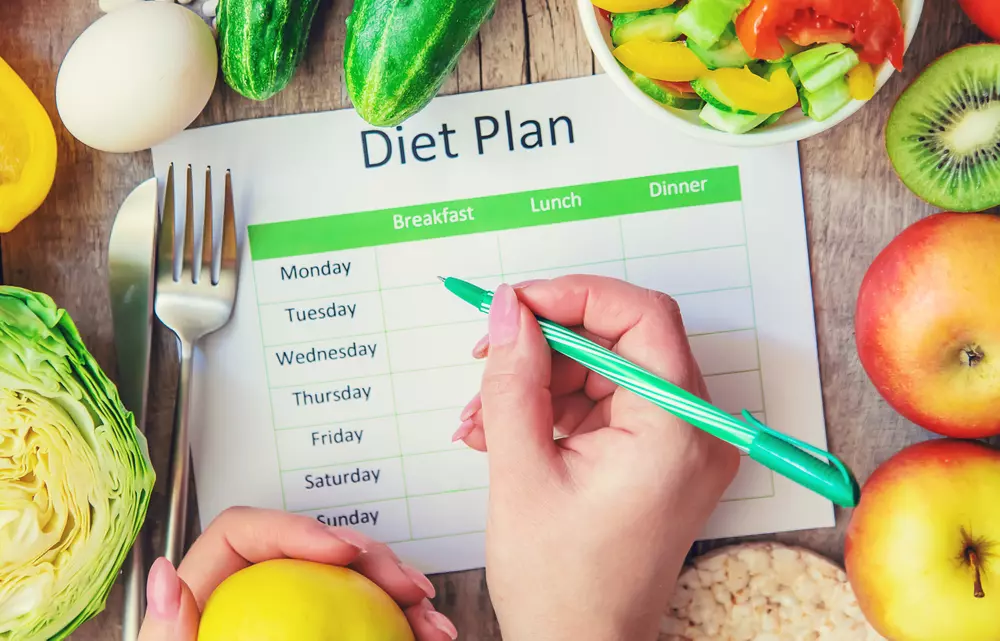
Feed Your Skin Well: How Smarter Food Choices Can Support Acne Care and Overall Wellness

September 9th, 2026

Healthy skin is influenced by far more than the products you use. Your body depends on the nutrients you consume to support tissue repair, immune function, hydration, and normal skin renewal. While food is not a standalone cure for acne, smarter food choices can support acne care and contribute to better overall wellness. For people dealing with persistent breakouts, stress, addiction recovery, or mental health challenges, learning how nutrition fits into a broader self care plan can be an important step toward lasting health.

The goal is not to follow a restrictive diet or blame yourself for every breakout. Instead, focus on consistent nourishment, reasonable choices, and an understanding of your own needs. When nutrition is combined with appropriate acne treatment, mental health support, and individualized care, it can become one useful part of a whole person approach to wellness.

Understanding the Food and Acne Connection

Acne is a complex condition. Hormones, genetics, oil production, inflammation, stress, medications, and skincare habits can all contribute to breakouts. Diet is only one factor, but it can influence some of the processes involved in skin health.

For example, research has examined the relationship between high glycemic eating patterns and acne. Foods that cause rapid increases in blood glucose may affect insulin and other hormonal signals that can influence oil production and inflammation. Some studies have also explored possible links between dairy consumption and acne in certain people.

However, there is no single acne diet that works for everyone.

Look at Your Overall Eating Pattern

Instead of searching for one food to eliminate, consider the bigger picture. Are most of your meals balanced? Do you eat enough fruits and vegetables? Are you drinking enough water? How often do sugary drinks or highly processed foods appear in your routine?

These questions can provide more useful information than labeling individual foods as completely good or bad.

Build Meals That Support Skin Health

A nourishing diet starts with foods that provide a variety of vitamins, minerals, protein, healthy fats, and fiber.

Choose Colorful Fruits and Vegetables

Fruits and vegetables are rich in nutrients and antioxidants that support normal body functions and healthy skin.

Try adding:

  • Berries
  • Leafy greens
  • Broccoli
  • Carrots
  • Bell peppers
  • Sweet potatoes
  • Tomatoes
  • Citrus fruits

Aim for variety throughout the week. Different fruits and vegetables provide different nutrients, so a colorful plate is a simple way to improve nutritional quality.

Include Protein at Meals

Protein provides amino acids that help maintain and repair tissues. Skin is constantly renewing itself, so adequate protein is an important part of a balanced diet.

Good options include fish, eggs, poultry, beans, lentils, tofu, yogurt, and other protein sources that fit your individual nutritional needs.

Protein can also help meals feel more satisfying, which may make consistent eating habits easier to maintain.

Add Healthy Fats

Healthy fats play an important role in overall nutrition and support the skin’s natural barrier.

Consider foods such as:

  • Avocados
  • Olive oil
  • Walnuts
  • Chia seeds
  • Flaxseeds
  • Salmon
  • Sardines

Many of these foods also provide omega-3 fatty acids, which have anti-inflammatory properties.

Pay Attention to Added Sugar and Refined Carbohydrates

You do not need to completely remove sweets from your life to care for your skin. However, paying attention to added sugar can be helpful.

Make Simple Swaps

Instead of making extreme changes, try practical substitutions. Choose water instead of a sugary beverage. Pick whole fruit instead of a highly processed sweet snack. Choose whole grains more often when they are available.

These small changes can improve the overall quality of your diet without making food feel restrictive.

Avoid All or Nothing Thinking

One dessert will not determine your skin health. Likewise, one fast food meal does not undo a healthy routine.

Sustainable nutrition is built on what you do consistently. Giving yourself flexibility can make healthy habits much easier to maintain.

Hydration Is Part of Acne Care

Water supports circulation, digestion, temperature regulation, and other essential body functions. Adequate hydration also supports normal skin function.

Make Water the Easy Choice

Keep water available throughout the day. A reusable bottle can make it easier to remember to drink regularly.

Unsweetened tea can also provide variety. Meanwhile, reducing frequent consumption of highly sweetened beverages can help lower added sugar intake.

Support the Gut and Skin Connection

The digestive system and skin interact through the immune system, inflammation, and nutrient absorption. Although research into the gut skin connection is still developing, maintaining good digestive health is an important part of overall wellness.

Eat Enough Fiber

Fiber rich foods include vegetables, fruits, beans, lentils, whole grains, nuts, and seeds. Eating a variety of plant foods can support a healthy digestive environment.

Fermented foods such as yogurt with live cultures, kefir, kimchi, and sauerkraut can also be included when they fit your preferences and nutritional needs.

Track Your Habits Instead of Guessing

A simple food and skin journal can help you understand your individual patterns.

What to Record

For a few weeks, consider noting:

  • Meals and snacks
  • Beverages
  • Water intake
  • Breakouts
  • Redness or irritation
  • Sleep
  • Stress
  • Changes in skincare products

Looking at several factors together can help you avoid assuming that a single food caused a particular breakout.

Know When to Ask for Help

If acne is painful, severe, persistent, or affecting your confidence, professional evaluation is important. Nutrition can complement appropriate acne treatment, but it should not replace medical or dermatological care.

The same principle applies to mental health and addiction recovery. Professional support is not a failure of self discipline. It is an important resource for people who need additional care.

Nutrition and Addiction Recovery

Healthy eating can be especially valuable during addiction recovery. Substance use can disrupt appetite, sleep, meal routines, and physical health. Rebuilding consistent nutrition can help restore structure and support the body’s recovery.

Healthy Food Habits Can Reinforce Recovery

Preparing meals, eating regularly, and staying hydrated can become practical forms of self care. These habits can complement counseling, medical services, peer support, spiritual care, and other recovery resources.

Inpatient treatment can offer a structured environment for people who need intensive support, while outpatient care can provide treatment while allowing greater flexibility in daily life. Regardless of the setting, individualized care can help address the unique physical and emotional needs of each person.

A Holistic Approach to Skin and Wellness

Holistic care recognizes that physical health, emotional well-being, daily habits, and personal values are interconnected.

For some individuals, faith based support can be an important part of healing. For others, mental health counseling, nutrition education, medical treatment, or lifestyle changes may be central to their progress. The most helpful approach is one that respects the individual and addresses the full picture.

Treat the Person, Not Just the Symptom

Acne may be the visible concern, but the person experiencing it may also be dealing with anxiety, low confidence, stress, substance use, or other challenges.

Compassionate care creates room to address those concerns together. Supporting nutrition while also caring for mental and emotional health can help individuals build sustainable habits that extend beyond skin care.

Practical Food Choices to Start Today

You do not have to redesign your entire diet at once. Start with a few simple changes.

Try These Steps

Choose a fruit or vegetable with every meal. Add protein to breakfast. Keep water nearby. Include healthy fats several times a week. Limit sugary beverages. Prepare a few simple meals in advance.

Most importantly, give yourself time to adjust. Healthy habits become more effective when they are realistic enough to maintain.

Conclusion: Feed Your Skin, Care for Your Whole Self

Smarter food choices can support acne care by providing the nutrients your body needs for normal skin function, repair, and overall health. The most effective approach is not about perfection or strict restriction. It is about balanced nutrition, awareness, hydration, and consistency.

If acne continues to affect your confidence or quality of life, professional guidance can help you determine which treatments are appropriate for your needs. If you are also dealing with addiction or mental health challenges, reaching out for compassionate support can be an important next step.

Your skin deserves care, but so does the whole person behind it. By nourishing your body, strengthening healthy routines, and seeking individualized support when you need it, you can create a stronger foundation for clearer skin and lasting wellness.

The Daily Intake Guide to Healthier Skin: Foods, Drinks, and Habits Worth Watching

September 3rd, 2026

Healthy skin care is not limited to cleansers, treatments, and the products you apply each morning and evening. What you eat, what you drink, and the daily habits you practice can also play a role in your overall wellness and may influence how your skin looks and feels. For people living with acne, paying attention to daily intake can be a practical way to better understand personal patterns while supporting a healthier lifestyle.

There is no single diet that cures acne, and no individual food is responsible for every breakout. Acne is influenced by many factors, including genetics, hormones, oil production, inflammation, stress, medications, and skin care habits. However, monitoring your diet can help you make informed choices and identify patterns worth discussing with a healthcare professional. A balanced approach to nutrition can also support the physical and emotional healing that is often important during addiction recovery and mental health treatment.

Why Daily Intake Matters for Skin Health

The body depends on a consistent supply of nutrients to perform essential functions. Your skin, as the body’s largest organ, also depends on overall health and nutrition.

A daily eating pattern that includes a variety of nutrient-rich foods can support general wellness. At the same time, highly processed foods and drinks may sometimes become part of patterns that leave a person feeling tired, dehydrated, or less physically balanced.

The goal is not to create a list of forbidden foods. Instead, it is to become more aware of what you consume and how your body responds.

Watch for Patterns, Not Perfection

One of the most helpful habits for people managing acne is avoiding quick conclusions. Eating one cookie or drinking one glass of milk does not automatically cause a breakout.

Instead, look at patterns over time. A simple journal can help you track:

  • Meals and snacks
  • Water and other beverages
  • Changes in your skin
  • Stress levels
  • Sleep quality
  • Physical activity
  • Changes in medication or supplements
  • New skin care products

This broader view can help you recognize that skin health is influenced by more than one factor.

Foods Worth Including in a Skin Healthy Diet

A balanced diet does not need to be complicated. Start with familiar foods that provide important nutrients and support overall health.

Fruits and Vegetables

Fruits and vegetables provide fiber and a wide variety of vitamins and minerals. Adding more color to your plate is a simple way to increase dietary variety.

Consider including:

  • Leafy greens
  • Berries
  • Carrots
  • Sweet potatoes
  • Bell peppers
  • Tomatoes
  • Oranges
  • Broccoli

Rather than focusing on one so-called perfect food, aim for variety throughout the week.

Protein for Consistent Nutrition

Protein is an important part of a balanced eating pattern. Depending on individual needs and preferences, protein sources may include:

  • Fish
  • Poultry
  • Eggs
  • Beans
  • Lentils
  • Tofu
  • Yogurt
  • Nuts and seeds

Eating regular, balanced meals may also help create structure during periods of recovery and personal change.

Healthy Sources of Fat

Foods such as avocados, nuts, seeds, olive oil, and certain fish can be included as part of a balanced diet.

There is no need to fear dietary fat. The focus should be on overall nutritional quality and a pattern that supports your individual health needs.

Drinks That Deserve Your Attention

Daily hydration is an important part of general health. Water supports many normal processes throughout the body, making it a sensible primary beverage choice for most people.

Make Water Part of Your Routine

Keeping a water bottle nearby can make hydration easier during work, school, treatment, or daily activities.

Try connecting water intake to existing habits. For example, drink water with meals or keep a glass nearby when you are working.

Be Aware of Added Sugar

Sweetened beverages can contribute substantial amounts of added sugar to the diet. These may include:

  • Soft drinks
  • Energy drinks
  • Sweetened teas
  • Specialty coffee drinks
  • Certain flavored beverages

You do not have to eliminate every enjoyable drink. However, becoming more aware of how often these beverages appear in your routine can help you make choices that feel balanced and sustainable.

What About Sugar, Dairy, and Acne?

The relationship between diet and acne is still being studied. Some research has explored connections between high glycemic dietary patterns and acne. Dairy has also been investigated as a possible factor for some individuals.

However, acne is highly individual.

Avoid Extreme Food Restrictions

Eliminating multiple food groups without professional guidance can make it difficult to meet nutritional needs. It can also create unnecessary stress around eating.

If you suspect that a particular food consistently affects your skin, track the pattern and discuss it with a qualified healthcare professional or registered dietitian.

A personalized approach is usually more useful than following a restrictive trend.

Daily Habits Can Influence Overall Wellness

Nutrition is only one part of a healthy routine. Sleep, stress management, movement, hydration, and mental health can all affect how you feel each day.

Prioritize Consistent Sleep

Poor sleep can affect mood, concentration, stress, and physical wellness. Developing a regular bedtime routine can be a meaningful part of a holistic approach to health.

Learn Healthier Ways to Manage Stress

Stress does not cause every skin concern, but chronic stress can affect many areas of physical and emotional well-being.

Helpful strategies may include:

  • Counseling or therapy
  • Meditation or prayer
  • Gentle exercise
  • Journaling
  • Spending time with supportive people
  • Breathing exercises
  • Structured daily routines

For people facing mental health concerns or substance use challenges, professional treatment can provide additional support and guidance.

Nutrition and Addiction Recovery

Recovery from addiction often involves rebuilding routines and learning new ways to care for your physical and emotional health. Nutrition can be part of that process.

Substance use may disrupt appetite, meal patterns, sleep, and other aspects of daily wellness. Establishing regular meals can help create structure while the body and mind adjust to recovery.

Individualized Care Matters

Every recovery journey is different. Some people may benefit from inpatient care that provides a highly structured environment, while others may be appropriate for outpatient treatment that allows them to continue meeting responsibilities at home, work, or school.

A compassionate treatment plan can consider addiction, mental health, physical wellness, personal history, and individual goals.

Holistic care may also address lifestyle habits, emotional healing, nutrition, and spiritual needs. For individuals who value faith-based support, spiritual principles can be incorporated into a broader approach to recovery and personal growth.

A Simple Daily Intake Check-In

You do not need to count every calorie or obsess over every meal to become more aware of your nutrition.

At the end of the day, ask yourself:

Did I Eat Regular, Balanced Meals?

Skipping meals can sometimes lead to irregular eating patterns. Aim for consistent nourishment that works with your individual needs.

Did I Drink Enough Water?

Think about whether water was a regular part of your day.

How Did I Feel?

Consider your energy, mood, stress, sleep, and physical comfort. These factors provide valuable context when looking at overall wellness.

Did I Practice Self-Compassion?

One unhealthy meal does not erase your progress. Lasting wellness is built through consistent choices, not perfection.

Take the Next Step Toward Healthier Skin and Whole Person Wellness

Healthier skin can begin with thoughtful daily habits, but nutrition is only one part of the picture. Acne often requires a comprehensive approach that considers the many factors affecting your skin and overall health.

Pay attention to what you eat and drink, focus on balanced nutrition, stay hydrated, and avoid unnecessary dietary restrictions. If you notice recurring patterns, seek professional guidance rather than trying to solve every concern alone.

The same principle applies to addiction and mental health recovery. Healing is not about perfection. It is about finding compassionate, individualized support that meets you where you are and helps you move forward.

Whether you are seeking help for substance use, mental health challenges, or the lifestyle habits that affect your overall well-being, reaching out can be an important first step. With appropriate inpatient or outpatient care, holistic support, and a treatment plan built around your individual needs, meaningful change is possible.

Your daily choices matter, but you do not have to make every change alone. Professional, compassionate support can help you build healthier routines, strengthen your recovery, and move toward a more balanced future.