Clear skin is rarely the result of a single product or quick fix. While cleansers, prescription medications, and professional acne treatments all have an important role in managing breakouts, lasting skin health often begins with the choices you make every day. One of the most valuable habits you can develop is mindful eating. By paying attention to what, when, and how you eat, you can support your body’s natural healing processes and create an environment that promotes healthier, clearer skin over time.
Mindful eating is not about restrictive diets or eliminating entire food groups without reason. Instead, it encourages awareness, balance, and nourishment. For individuals working through addiction recovery, mental health treatment, or other wellness challenges, this approach also supports emotional well-being, physical recovery, and healthier daily routines. When combined with personalized skincare and professional guidance, mindful nutrition can become an important part of long-term acne management.
What Is Mindful Eating?
Mindful eating means making intentional food choices while paying attention to your body’s hunger, fullness, and nutritional needs. Rather than eating out of stress, boredom, or habit, you become more aware of how different foods affect your body, energy levels, and even your skin.
This approach encourages consistency instead of perfection. Small improvements made every day often produce more lasting results than extreme diets that are difficult to maintain.
Why Acne Management Requires a Whole-Body Approach
Acne develops through a combination of factors, including hormones, genetics, inflammation, excess oil production, bacteria, and lifestyle habits. Nutrition is only one piece of the puzzle, but it can influence many of these underlying processes.
A balanced diet helps support:
- Healthy hormone regulation
- Reduced inflammation
- Stable blood sugar levels
- Strong immune function
- Skin repair and renewal
- Overall wellness
By supporting these systems, mindful eating creates conditions that allow your skin to heal more effectively.
Nutrients That Promote Healthy Skin
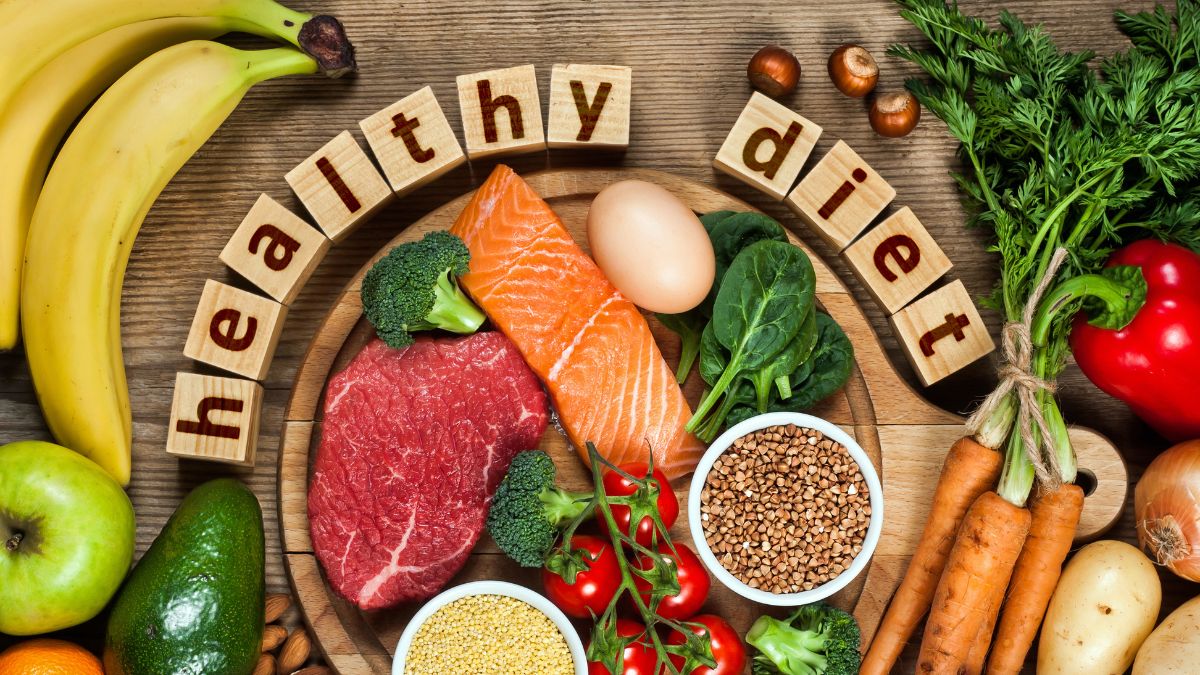
Choosing nutrient-dense foods gives your skin the building blocks it needs to recover from acne and maintain a healthier appearance.
Fill Your Plate with Colorful Fruits and Vegetables
Fruits and vegetables are rich in vitamins, minerals, antioxidants, and fiber that help protect skin cells from damage.
Excellent choices include:
- Blueberries
- Strawberries
- Spinach
- Kale
- Bell peppers
- Carrots
- Sweet potatoes
- Citrus fruits
These foods provide nutrients such as vitamins A and C that support collagen production and healthy skin renewal.
Prioritize Lean Protein
Protein supplies amino acids that help repair damaged skin tissue and promote healthy cell growth.
Healthy sources include:
- Chicken
- Turkey
- Fish
- Eggs
- Lentils
- Beans
- Tofu
Including protein at every meal also supports balanced energy throughout the day.
Include Healthy Fats
Healthy fats strengthen the skin barrier while helping regulate inflammation.
Nutritious options include:
- Salmon
- Avocados
- Walnuts
- Olive oil
- Flaxseeds
- Chia seeds
Omega-3 fatty acids found in many of these foods may support calmer, healthier-looking skin.
Foods to Enjoy in Moderation
Every person’s skin responds differently to food. However, some eating habits may contribute to breakouts in certain individuals.
Added Sugars
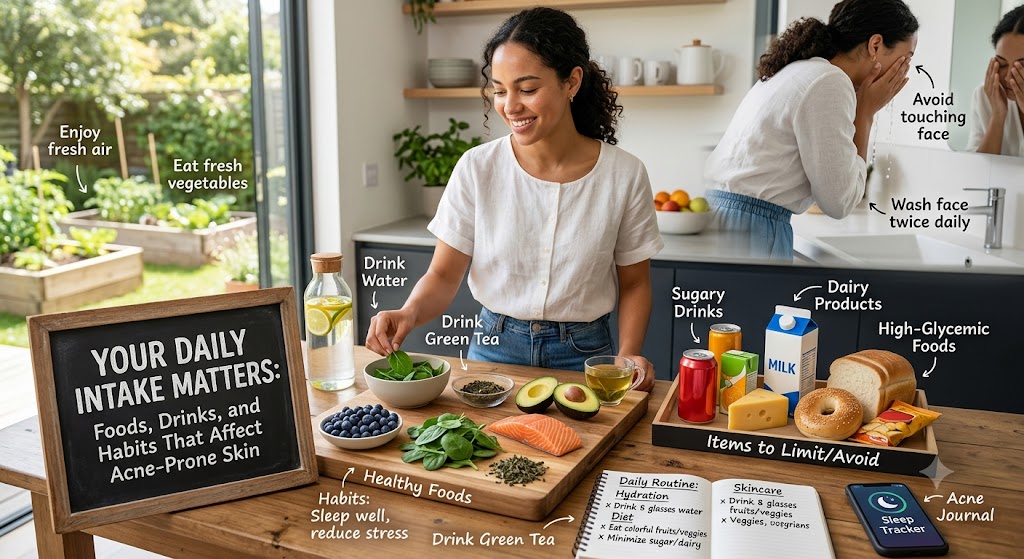
Sugary drinks, candy, pastries, and processed desserts can lead to rapid increases in blood sugar. These fluctuations may influence insulin levels and oil production, which can affect acne.
Highly Processed Foods
Frequent consumption of heavily processed meals may increase inflammation while providing fewer nutrients that support healthy skin.
Instead of eliminating favorite foods completely, aim for moderation while focusing primarily on whole, nutrient-rich options.
Mindful Eating Habits That Support Acne Management
Healthy nutrition involves more than food selection. Your eating habits also influence overall wellness.
Eat Regular, Balanced Meals
Skipping meals can lead to blood sugar fluctuations and overeating later in the day. Consistent meals help provide your body with a steady supply of nutrients.
Each meal should ideally include:
- Lean protein
- Colorful vegetables
- Healthy fats
- Whole grains
- Water
Stay Hydrated
Water supports circulation, nutrient delivery, and skin hydration. Drinking enough water throughout the day helps your body function efficiently while supporting healthy skin.
Slow Down While Eating
Eating slowly allows you to recognize hunger and fullness signals while encouraging better digestion. This simple practice also helps reduce mindless eating.
The Gut-Skin Connection
Your digestive system plays an important role in skin health. A balanced gut microbiome supports nutrient absorption, immune function, and healthy inflammatory responses.
Gut-friendly foods include:
- Yogurt with live cultures
- Kefir
- Sauerkraut
- Kimchi
- Whole grains
- Fresh fruits
- Vegetables
Supporting digestive health contributes to overall wellness, which may also benefit your complexion.
Nutrition and Recovery Go Hand in Hand
Nutrition is an essential part of comprehensive addiction recovery and mental health treatment. Individuals recovering from substance use disorders often experience nutritional deficiencies that affect energy, mood, and physical healing.
Mindful eating helps restore the body while supporting emotional stability and healthier daily routines. Holistic treatment programs recognize that healing involves more than symptom management. It includes caring for the body, mind, and spirit through individualized treatment plans that may combine counseling, medical care, faith-based support, wellness education, and nutritional guidance.
Whether someone participates in inpatient treatment or outpatient care, building healthy eating habits strengthens long-term recovery while supporting overall physical health.
Building Sustainable Habits for Lifelong Skin Health
Improving your skin does not require dramatic changes overnight. Instead, focus on habits that become part of your daily lifestyle.
Keep a Food Journal
Tracking meals alongside changes in your skin can help identify patterns that are unique to you.
Prepare Meals Ahead of Time
Planning healthy meals reduces the temptation to rely on processed convenience foods during busy days.
Focus on Consistency
Healthy eating is not about achieving perfection. Consistently making nourishing choices creates lasting benefits for both your skin and your overall health.
Conclusion: Nourish Your Body for Lasting Skin Health
Mindful eating offers a practical, sustainable way to support long-term acne management. By choosing nutrient-rich foods, staying hydrated, maintaining balanced eating habits, and paying attention to how your body responds, you create a stronger foundation for healthier skin from the inside out.
If acne continues to affect your confidence or quality of life, professional guidance can provide personalized solutions that address your unique needs. A compassionate, holistic approach that combines expert skincare, nutrition, mental health support, and individualized care offers the best opportunity for lasting improvement.
Every healthy choice is an investment in your future. By fueling your body with intention and care, you support clearer skin, greater confidence, and lifelong wellness.