Healthy skin is influenced by much more than the products you apply to your face. Your daily meals and beverages provide the nutrients your body uses for repair, immune function, energy, and normal skin maintenance. At the same time, your digestive system plays an important role in nutrient absorption and interacts with the body’s immune and inflammatory systems. This connection between what you consume, your gut, and your skin is worth understanding, especially when you are trying to manage acne while also caring for your overall wellness.
For people navigating addiction recovery, mental health challenges, or major lifestyle changes, nutrition can become an especially important part of self care. Recovery often involves rebuilding routines and restoring physical health. Making thoughtful food choices can support those efforts while giving your skin the nourishment it needs.
Understanding the Food, Gut, and Skin Connection
Acne is a complex condition with many contributing factors. Hormones, genetics, oil production, inflammation, stress, medications, and skincare habits can all influence the development and persistence of breakouts. Diet is only one part of the picture, but research has examined possible relationships between dietary patterns and acne.
The gut also deserves attention. Researchers are studying the gut skin axis, which describes communication between the digestive system, immune system, and skin. Current evidence suggests that the gut microbiome may influence inflammatory and immune processes associated with skin health, although many questions remain about exactly how strong these relationships are and how they should guide treatment.
Why This Matters for Acne Management
Understanding these connections does not mean you need to follow a complicated diet or eliminate numerous foods. Instead, it encourages you to look at your overall nutrition and lifestyle.
A balanced approach can help you:
- Provide essential nutrients for skin maintenance
- Support normal digestive function
- Maintain consistent energy levels
- Build healthier daily routines
- Become more aware of possible personal food triggers
The goal is informed self care, not food anxiety.
Build Meals That Support Skin Wellness
The simplest place to start is your plate. A balanced meal can provide protein, healthy fats, fiber, vitamins, minerals, and carbohydrates that fuel the body.
Fill Up on Colorful Produce
Vegetables and fruits provide a wide variety of nutrients and antioxidants. Leafy greens, berries, carrots, peppers, broccoli, tomatoes, and citrus fruits are easy additions to many meals.
Rather than focusing on one “perfect” food, aim for variety. Different foods provide different nutrients, and a diverse diet is generally more useful than relying on a small list of so called superfoods.
Include Quality Protein
Protein provides amino acids that the body uses to maintain and repair tissues. Fish, eggs, poultry, beans, lentils, tofu, and other protein rich foods can fit into a balanced eating pattern.
Protein can also help meals feel more satisfying, which may make regular eating easier during busy or stressful periods.
Choose Beneficial Fats
Healthy fats are another important part of a balanced diet. Avocados, olive oil, walnuts, chia seeds, flaxseeds, and fatty fish provide useful nutrients while adding flavor and variety to meals.
The focus should be on overall dietary quality rather than avoiding fat altogether.
Pay Attention to Blood Sugar and Added Sugar
One dietary factor that has received attention in acne research is glycemic load. A systematic review found that higher glycemic index and glycemic load intake were associated with acne development and severity, although the effect was described as modest. The American Academy of Dermatology also notes that small studies suggest a low glycemic diet may reduce acne in some people.
Make Practical Substitutions
You do not need to completely eliminate carbohydrates or sweets. Instead, look for simple ways to improve your overall eating pattern.
For example:
- Choose whole grains more often
- Add vegetables and beans to meals
- Pair carbohydrates with protein or healthy fats
- Choose whole fruit more often
- Make water your primary beverage
- Reduce frequent consumption of highly sweetened drinks
These changes support balanced nutrition without turning eating into a rigid set of rules.
Pay Attention to Your Digestive Health
Your digestive system is responsible for breaking down food and helping your body absorb nutrients. It also interacts with the immune system, making digestive health relevant to overall wellness.
Add More Fiber Rich Foods
Fiber can be found in fruits, vegetables, beans, lentils, whole grains, nuts, and seeds. Eating a varied selection of these foods supports a nutritious diet and normal digestive function.
Increase fiber gradually if your current intake is low, and drink enough fluid throughout the day.
Include Fermented Foods When Appropriate
Foods such as yogurt with live cultures, kefir, kimchi, and sauerkraut can be part of a varied diet. Researchers are investigating whether probiotics and other microbiome focused approaches can play a useful role in skin health, but clinical evidence remains limited and more research is needed before these approaches can be considered a replacement for standard acne treatment.
Monitor Your Personal Response to Food
There is no universal acne diet. People can respond differently to the same food, and acne can change because of many factors at once.
Tracking your intake can help you notice possible patterns without making assumptions.
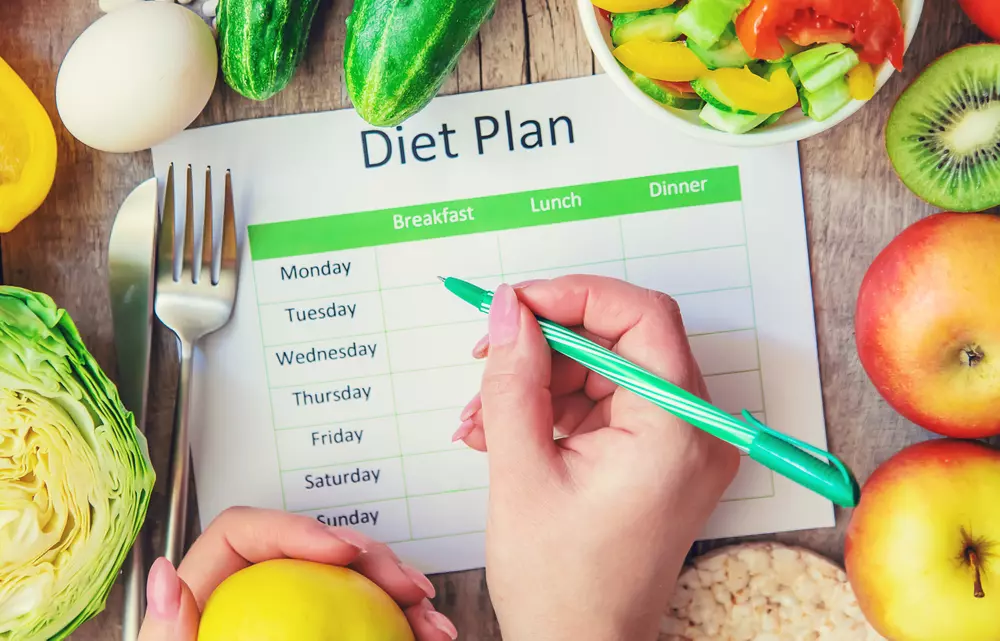
Keep a Simple Food and Skin Journal
For several weeks, record:
- Meals and snacks
- Beverages
- Water intake
- Breakouts
- Redness or irritation
- Sleep quality
- Stress levels
- Skincare changes
You are not looking for proof that one food caused one breakout. Instead, look for recurring patterns that may be worth discussing with a healthcare professional.
Be Careful With Elimination Diets
Removing dairy, grains, gluten, or other major food groups without a clear reason can make balanced nutrition more difficult. If you suspect a dietary trigger, professional guidance can help you evaluate the situation without unnecessary restriction.
Nutrition and Addiction Recovery
Food choices can take on added importance during addiction recovery. Substance use, stress, disrupted routines, and changes in appetite can all make regular nutrition challenging.
Rebuilding a consistent eating routine can support physical recovery while creating structure in daily life. Regular meals can also make it easier to maintain energy throughout the day and reduce the tendency to rely on whatever food is most convenient in a difficult moment.
Healthy Routines Reinforce Self Care
Preparing meals, drinking enough water, and paying attention to your nutritional needs can become practical expressions of self care. These habits can complement counseling, medical treatment, peer support, spiritual practices, and other recovery resources.
Whether someone is receiving inpatient treatment or participating in outpatient care, nutrition can fit into a broader plan that addresses physical health, emotional wellness, and long term lifestyle changes.
Mental Health and the Gut Skin Conversation
The connection between mental health, the gut, and skin is an active area of research. Some researchers have proposed that stress and emotional states can influence the gut microbiome and inflammatory pathways involved in skin health, but these relationships are complex and should not be reduced to a single explanation for acne.
Look Beyond Appearance
Acne can affect confidence, self image, and emotional well being. Someone dealing with persistent breakouts may also be coping with anxiety, stress, or other mental health concerns.
That is why compassionate care should look at the whole person. Nutrition may be one useful component, but it should exist alongside appropriate skin care and mental health support.
Simple Habits to Put Into Practice
Improving your nutrition does not require an overnight transformation.
Start With One Change
Add vegetables to one meal each day. Keep fruit available for snacks. Drink more water. Include a protein source at breakfast. Choose whole grains more often.
Build a Routine You Can Maintain
The most useful habits are the ones that fit your real life. A complicated meal plan that lasts for a week is less valuable than a simple routine you can maintain for months.
Give Yourself Flexibility
A balanced lifestyle allows room for favorite foods and occasional treats. Progress does not disappear because you had one meal that was less nutritious than usual.
Consistency matters far more than perfection.
When Professional Guidance Is Important
Nutrition can support acne care, but it is not a substitute for appropriate medical or dermatological treatment. Persistent, painful, or severe acne deserves professional evaluation, especially if it is affecting your confidence or quality of life.
The same applies to addiction and mental health concerns. Trying to handle everything alone can make recovery harder. Individualized professional support can help address the issues affecting your physical and emotional wellness while giving you practical strategies for daily life.
A holistic approach may include nutrition, counseling, medical care, spiritual support, healthy routines, and other services based on the individual’s needs and values.
Conclusion: Nourish Your Body From Meals to Microbiome
Your daily intake is part of a much larger wellness picture. The foods you eat provide the nutrients your body needs, while your digestive system helps process and use those nutrients. Research into the gut skin connection continues to grow, offering promising insight into how nutrition and microbiome health may interact with inflammatory skin conditions such as acne.
For now, the most practical approach is simple: eat a varied and balanced diet, stay hydrated, pay attention to your personal patterns, and avoid unnecessary restrictions. Give your body consistent nourishment while continuing appropriate acne care.
If acne is affecting your confidence, or if you are also working through addiction recovery or mental health challenges, professional support can help you create a personalized path forward. You deserve care that considers more than one symptom and recognizes the connection between physical health, emotional wellness, and daily habits.
Start with your next meal. Make one nourishing choice, build another healthy habit tomorrow, and continue from there. Small choices can become a meaningful part of a healthier relationship with your body and your overall wellness.