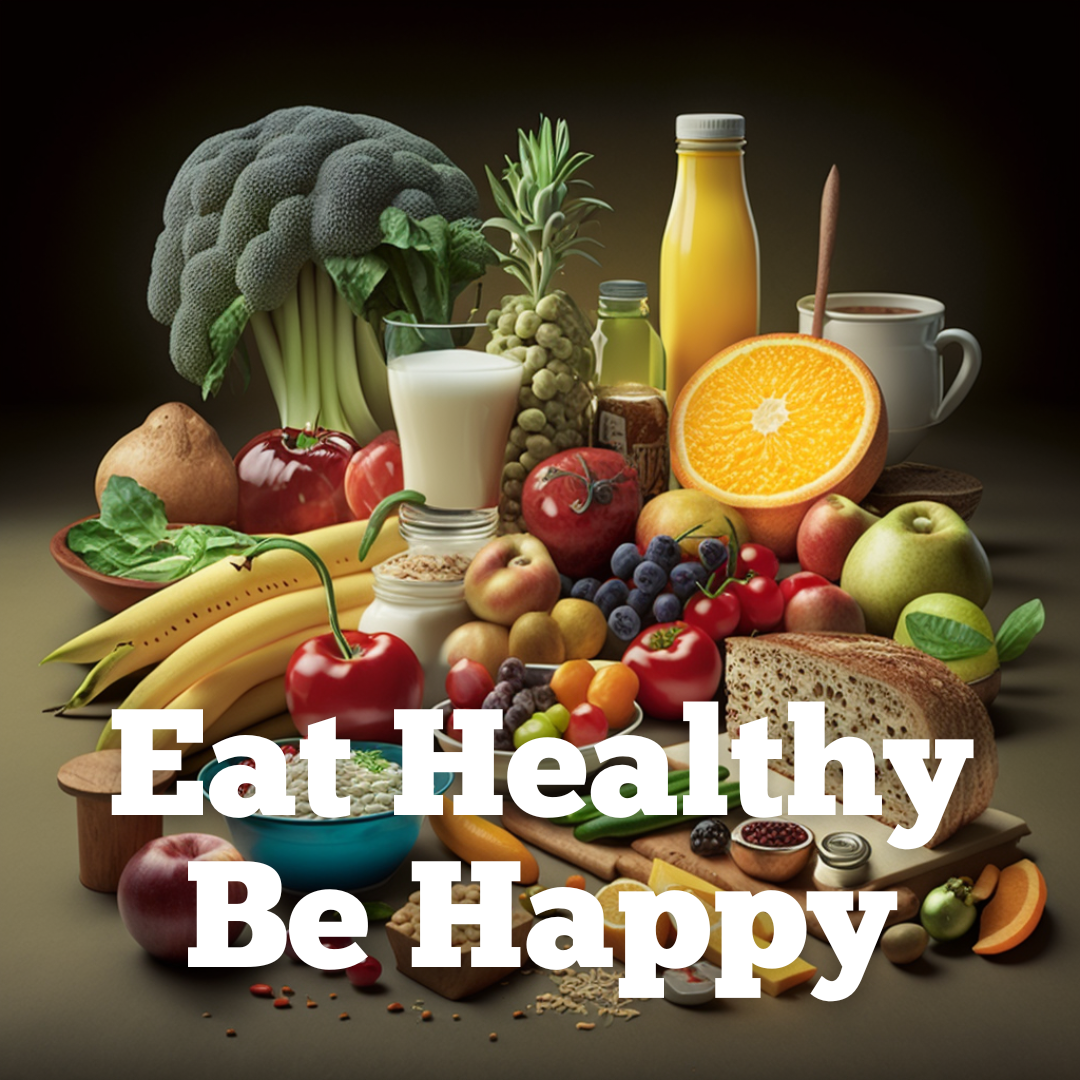
Confidence often starts with how you feel in your own body. While skincare products and treatments can help manage acne, true and lasting change often begins with what is on your plate. Balanced meals play a direct role in skin clarity, energy levels, mood stability, and overall wellness. For individuals navigating addiction recovery, mental health challenges, or chronic stress, nutrition can be a steady and empowering foundation for healing from the inside out.
When your body is properly nourished, it is better able to regulate inflammation, balance hormones, and support healthy skin function. These internal improvements often translate into clearer skin and greater confidence.
How Balanced Nutrition Impacts Skin and Confidence
Your skin is closely connected to your internal health. Nutrient deficiencies, blood sugar imbalances, and inflammation can all show up as acne, dullness, or irritation. On the other hand, balanced meals provide the vitamins, minerals, and energy your body needs to repair and protect the skin.
When you consistently fuel your body with whole foods, you are not only supporting your complexion, you are also strengthening your mental and emotional well-being. This connection is especially important for individuals in recovery, where structure and self-care are key parts of long-term stability.
The Mind and Skin Connection
Stress and emotional strain can directly affect skin health. Elevated cortisol levels may increase oil production and inflammation, which can worsen breakouts. Balanced meals help stabilize blood sugar levels, which supports more stable moods and reduces stress-related skin flare-ups.
What a Balanced Meal Looks Like for Skin Health
Balanced nutrition does not require strict dieting or complicated rules. It simply means including a combination of protein, healthy fats, fiber, and nutrient-rich carbohydrates in each meal.
1. Lean Proteins for Repair
Protein supports tissue repair and skin regeneration. Foods such as eggs, chicken, fish, beans, and lentils provide amino acids that help heal damaged skin and maintain a strong immune system.
2. Healthy Fats for Skin Barrier Support
Healthy fats help maintain the skin’s protective barrier, locking in moisture and reducing irritation. Avocados, olive oil, nuts, seeds, and fatty fish like salmon are excellent choices.
3. Complex Carbohydrates for Steady Energy
Whole grains such as brown rice, quinoa, oats, and whole wheat bread help maintain stable blood sugar levels. This stability can reduce inflammation and support clearer skin over time.
4. Fruits and Vegetables for Antioxidant Protection
Colorful produce is rich in antioxidants, vitamins, and minerals that fight inflammation and support skin repair. Berries, leafy greens, carrots, and citrus fruits are especially beneficial for acne-prone skin.
Nutrition and Recovery: Supporting the Whole Person
For individuals in addiction recovery or mental health treatment, balanced nutrition plays a deeper role than skin health alone. Substance use and chronic stress can disrupt appetite, digestion, and nutrient absorption, which may contribute to fatigue, mood instability, and skin issues.
Balanced meals help restore physical strength, regulate mood, and support cognitive function. They also create structure in daily routines, which is often essential during recovery. When combined with professional care, nutrition becomes a powerful part of holistic healing.
Faith-based, inpatient, outpatient, and individualized treatment approaches all emphasize the importance of caring for the whole person. Nutrition aligns naturally with this philosophy by supporting both internal healing and external confidence.
Practical Steps to Build Balanced Eating Habits
Small, consistent changes are often more effective than dramatic dietary shifts.
- Include a source of protein, fat, and fiber in every meal.
- Drink water throughout the day to support hydration and skin health.
- Add at least one serving of fruits or vegetables to each meal.
- Reduce highly processed foods and added sugars gradually.
- Plan simple meals ahead of time to reduce stress and improve consistency.
Over time, these habits help build both physical wellness and emotional confidence.
Conclusion: Build Confidence from the Inside Out
Eating for confidence is not about perfection. It is about consistently choosing balanced meals that support your body, mind, and skin. When you nourish yourself with intention, you strengthen more than your appearance. You also support emotional stability, recovery, and long-term wellness.
If acne or skin concerns are affecting your confidence or quality of life, you do not have to navigate it alone. Professional, personalized care can help you connect nutrition, mental health support, and skincare into one cohesive healing plan.
Taking the step toward better nutrition and holistic care is not just about clearer skin. It is about building a stronger, healthier, and more confident version of yourself.
