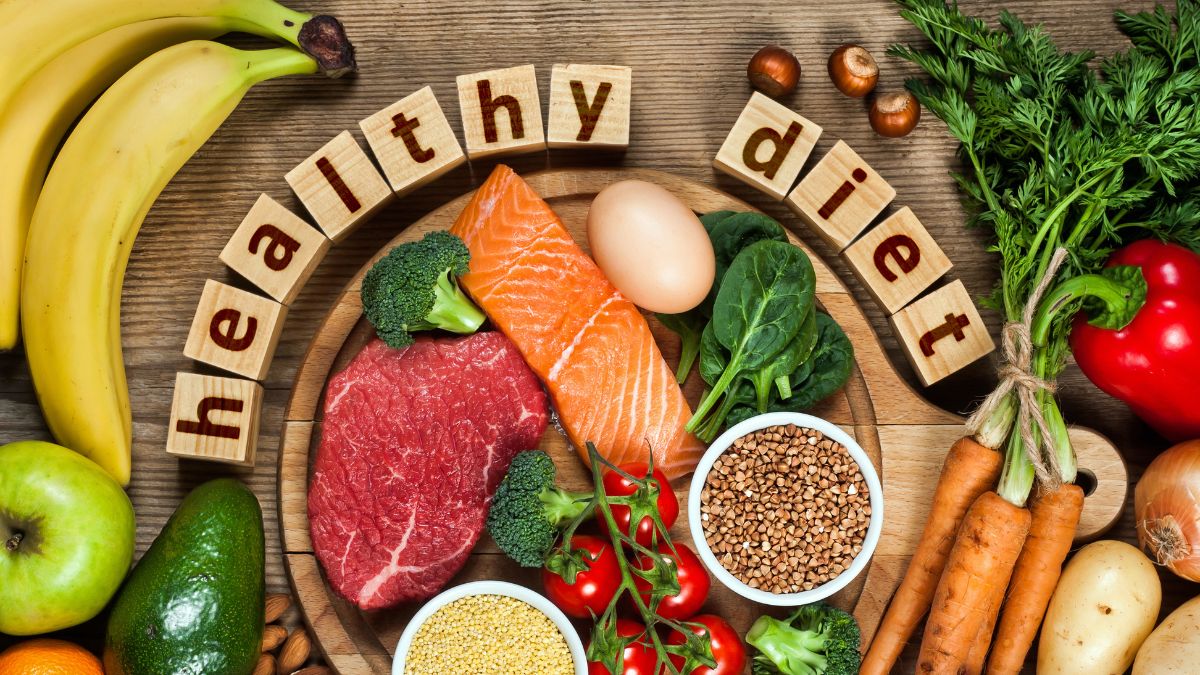
If you have ever wondered why your skin seems calm one week and prone to breakouts the next, the answer may involve more than your skincare routine. While acne is influenced by genetics, hormones, stress, and environmental factors, your daily food and beverage choices can also affect how your skin looks and feels. Performing a simple “skin intake check” by monitoring what you eat and drink can help you recognize patterns, make healthier choices, and support your overall wellness.
Your skin reflects what is happening inside your body. Nutrient-rich foods help your body repair damaged skin, regulate inflammation, and maintain hormonal balance. At the same time, balanced nutrition supports emotional health, energy, and recovery. For individuals participating in addiction recovery services, mental health treatment, inpatient care, outpatient programs, or holistic healing plans, healthy eating habits can become an important part of long-term wellness.
Why Your Daily Intake Matters for Acne Health
Acne is not caused by one specific food, but nutrition can influence many of the biological processes involved in breakouts. Certain dietary habits may increase inflammation or affect blood sugar and hormone levels, while others provide the nutrients needed for healthy skin repair.
Instead of focusing on restrictive diets, a skin intake check encourages awareness. Tracking what you consume helps you understand your body’s unique responses and build habits that support healthier skin.
Looking Beyond the Surface
Topical acne treatments can help reduce breakouts, but healthy skin also depends on what happens inside the body. Proper nutrition supports:
- Skin cell renewal
- Collagen production
- Balanced immune function
- Healthy digestion
- Reduced inflammation
- Hormonal balance
These factors work together to create an environment where your skin can heal more effectively.
How to Perform a Skin Intake Check
Tracking your diet does not require complicated apps or detailed nutritional calculations. A simple journal or digital note can provide valuable insight over time.
Record Your Meals and Snacks
Write down everything you eat and drink throughout the day, including snacks and beverages. Being honest with yourself creates a more accurate picture of your habits.
Monitor Your Skin
Take note of any changes in your complexion over the next several days.
You might observe:
- New breakouts
- Increased redness
- Excess oil production
- Dryness
- Faster healing
- Overall skin clarity
Patterns often become easier to recognize after several weeks.
Track Other Lifestyle Factors
Your skin responds to more than food. Record additional factors that may influence breakouts, including:
- Stress levels
- Sleep quality
- Exercise
- Water intake
- Menstrual cycle, when applicable
- New skincare products
Considering the whole picture provides more meaningful information.
Foods That Commonly Support Healthy Skin
A skin-friendly diet focuses on whole, nutrient-rich foods that nourish your body and reduce unnecessary inflammation.
Colorful Fruits and Vegetables
Bright fruits and vegetables supply antioxidants that help protect skin cells and support natural healing.
Excellent choices include:
- Blueberries
- Oranges
- Spinach
- Broccoli
- Carrots
- Sweet potatoes
- Bell peppers
Their vitamins and minerals contribute to healthy skin function and collagen production.
Lean Protein
Protein provides the building blocks your body needs to repair damaged tissue.
Healthy sources include:
- Chicken
- Turkey
- Fish
- Eggs
- Lentils
- Beans
- Tofu
Including protein with meals also promotes steady energy throughout the day.
Healthy Fats
Beneficial fats help maintain the skin barrier while supporting hydration and balanced inflammation.
Choose foods such as:
- Salmon
- Walnuts
- Flaxseeds
- Chia seeds
- Avocados
- Olive oil
These nutrient-dense options support both skin health and overall wellness.
Foods That May Trigger Breakouts for Some Individuals
Every person’s body responds differently. However, some dietary patterns have been associated with acne in certain individuals.
Added Sugars
Highly sweetened beverages, candy, pastries, and desserts may contribute to blood sugar fluctuations that influence hormone activity and inflammation.
Highly Processed Foods
Frequent consumption of processed snacks and fast food can reduce overall diet quality while increasing inflammatory compounds.
Individual Food Sensitivities
Some individuals notice changes in their skin after consuming certain dairy products or other foods. Tracking your personal responses helps determine what works best for your body.
Supporting Gut Health for Better Skin
The gut and skin are closely connected through the immune system and inflammatory pathways. A healthy digestive system supports nutrient absorption and helps regulate inflammation throughout the body.
Foods that promote gut health include:
- Yogurt with live cultures
- Kefir
- Kimchi
- Sauerkraut
- Whole grains
- Fruits
- Vegetables
A healthier gut supports overall wellness, which often benefits the skin as well.
Nutrition During Addiction Recovery and Mental Health Treatment
Healthy eating habits provide benefits far beyond appearance. During addiction recovery and mental health treatment, proper nutrition supports the body’s healing process while improving mood, concentration, and physical strength.
Substance use disorders, chronic stress, anxiety, and depression may affect appetite, digestion, and nutrient levels. Rebuilding healthy eating habits becomes an important part of restoring overall health.
Holistic treatment programs recognize that healing involves the whole person. Nutrition works alongside counseling, medical care, faith-based support, and individualized treatment planning to strengthen recovery and encourage lasting wellness.
Practical Tips for Long-Term Success
Healthy habits develop gradually through consistent effort.
Focus on Progress
Do not expect immediate changes. Improvements in skin health often occur over weeks or months.
Stay Hydrated
Water supports circulation, digestion, and healthy skin function. Aim to drink water consistently throughout the day.
Plan Balanced Meals
Include vegetables, lean protein, healthy fats, and whole grains whenever possible. Balanced meals provide steady nourishment for both your body and your skin.
Listen to Your Body
Your body offers valuable feedback. Paying attention to how your skin responds to different foods helps you build a nutrition plan that supports your individual needs.
Conclusion: Healthy Skin Begins with Healthy Awareness
A skin intake check is a simple yet powerful tool for understanding the connection between nutrition and acne. By tracking what you eat, observing how your skin responds, and making gradual improvements to your daily habits, you can support healthier skin while improving your overall well-being.
If persistent acne continues to affect your confidence or quality of life, professional guidance can provide personalized solutions that address both internal and external factors. A comprehensive approach that includes nutrition, mental health support, holistic care, and individualized treatment can help you build lasting wellness from the inside out.
Every healthy meal is an opportunity to invest in yourself. By becoming more mindful of your daily intake, you take meaningful steps toward clearer skin, stronger health, and greater confidence.
