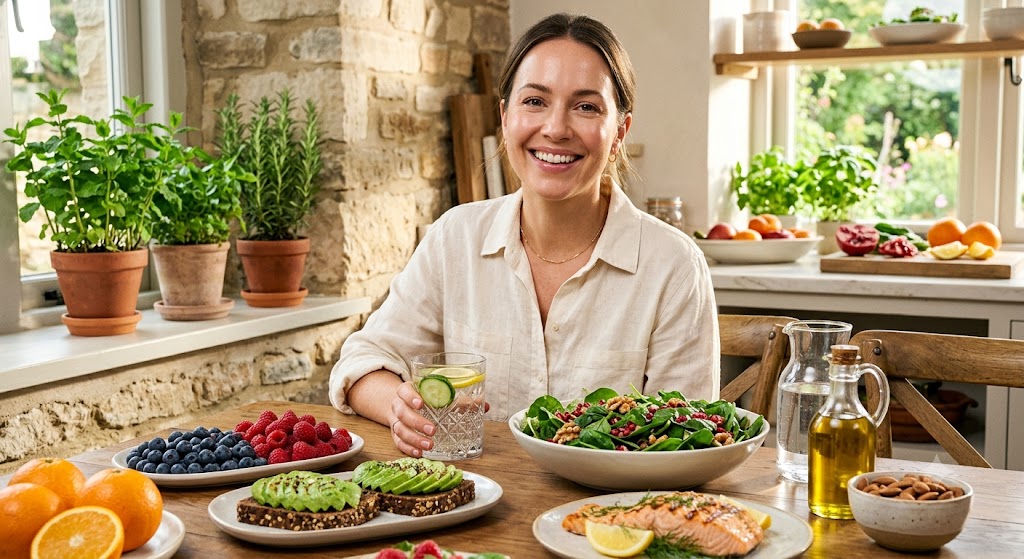
Achieving a clearer complexion is about more than finding the right cleanser or acne treatment. While a consistent skincare routine is important, healthy skin starts within. The foods and beverages you consume every day can influence inflammation, hormone balance, gut health, and your body’s ability to repair itself. These internal factors play a significant role in acne development and overall skin wellness. By paying closer attention to your diet, you can take meaningful steps toward supporting clearer, healthier skin from the inside out.
For individuals navigating addiction recovery, mental health challenges, or periods of chronic stress, nutrition can be especially important. A balanced diet not only supports skin health but also contributes to emotional well-being, physical recovery, and long-term wellness.
Why Diet Matters for Skin Health
Your skin is constantly renewing itself. To do this effectively, it requires a steady supply of vitamins, minerals, antioxidants, healthy fats, and protein. When your body receives these nutrients consistently, it can better manage inflammation, regulate oil production, and repair damaged skin tissue.
Poor dietary habits, on the other hand, may contribute to nutrient deficiencies, blood sugar fluctuations, and increased inflammation. These factors can make acne more difficult to manage and may slow the skin’s natural healing process.
The Role of Inflammation in Acne
Inflammation is one of the most common underlying factors associated with acne. While inflammation is a normal part of the body’s defense system, chronic inflammation can worsen skin irritation and contribute to frequent breakouts.
Certain dietary choices may either increase or decrease inflammation. Understanding these influences can help you make more informed decisions about what you eat.
Foods and Habits That Support a Clearer Complexion
Building a skin-friendly diet does not require perfection. Instead, focus on creating consistent habits that nourish your body and support healing.
Prioritize Colorful Fruits and Vegetables
Fruits and vegetables are rich in antioxidants, vitamins, and fiber. These nutrients help protect skin cells from damage and support the body’s natural repair processes.
Some excellent choices include:
- Berries
- Spinach
- Kale
- Carrots
- Sweet potatoes
- Bell peppers
- Citrus fruits
These foods provide vitamins A and C, which are important for healthy skin function and collagen production.
Include Healthy Fats
Healthy fats help maintain the skin’s protective barrier and support hydration. They may also help reduce inflammation throughout the body.
Good sources include:
- Avocados
- Olive oil
- Walnuts
- Chia seeds
- Flaxseeds
- Fatty fish such as salmon
Including these foods regularly can support both skin health and overall wellness.
Eat Adequate Protein
Protein plays a critical role in tissue repair and regeneration. Since the skin is constantly renewing itself, adequate protein intake is essential.
Lean protein sources include:
- Chicken
- Turkey
- Fish
- Eggs
- Beans
- Lentils
- Tofu
These foods provide amino acids that help support healthy skin recovery and maintenance.
Support Gut Health
Many experts recognize the close relationship between gut health and skin health. An imbalance in the digestive system can contribute to inflammation and affect the body’s ability to absorb nutrients effectively.
Foods that support gut health include:
- Yogurt with live cultures
- Kefir
- Sauerkraut
- Kimchi
- Fiber-rich fruits and vegetables
A healthy gut environment may help support clearer skin over time.
What to Watch Out for in Your Diet
While no single food causes acne in every individual, certain dietary patterns may contribute to skin concerns.
Excess Sugar Consumption
Highly sugary foods and beverages can cause rapid spikes in blood sugar levels. These fluctuations may increase insulin activity, which can influence oil production and inflammation.
Common sources include:
- Soft drinks
- Candy
- Sweetened coffee beverages
- Pastries
- Processed desserts
Reducing added sugar intake may benefit both skin health and overall wellness.
Highly Processed Foods
Packaged snacks, fast food, and heavily processed meals often provide limited nutritional value while contributing to inflammation.
Choosing whole, minimally processed foods more often can help support healthier skin and improved energy levels.
Inconsistent Eating Habits
Skipping meals or relying on irregular eating patterns may affect blood sugar stability and energy levels. Consistent, balanced meals help provide the nutrients your body needs to function optimally.
Nutrition, Recovery, and Whole-Person Healing
For individuals receiving addiction recovery services or mental health treatment, nutrition is often a valuable component of the healing process. Substance use disorders, chronic stress, anxiety, and depression can all affect appetite, digestion, and nutrient absorption.
A balanced diet supports more than physical health. It can improve mood, increase energy, support cognitive function, and strengthen resilience during recovery. This is why holistic and individualized treatment approaches often include nutritional support as part of comprehensive care.
Whether someone is participating in inpatient treatment, outpatient care, faith-based programs, or ongoing recovery support, healthy eating habits can reinforce positive lifestyle changes and contribute to long-term success.
Practical Steps to Improve Your Diet Today
Making changes does not have to be overwhelming. Start with small, manageable actions:
- Drink more water throughout the day.
- Add a serving of vegetables to each meal.
- Choose whole foods when possible.
- Include protein with every meal.
- Limit sugary drinks and processed snacks.
- Keep healthy snacks available for busy days.
Over time, these simple adjustments can support healthier skin and improved overall wellness.
Conclusion: Nourish Your Body for Healthier Skin
Healthy skin truly starts within. The choices you make at the grocery store, in the kitchen, and at the table can have a lasting impact on your complexion and overall well-being. By focusing on nutrient-rich foods, supporting gut health, and reducing inflammatory dietary habits, you give your body the tools it needs to heal and thrive.
If acne concerns are affecting your confidence or quality of life, professional support can help you identify a personalized path forward. A comprehensive approach that considers nutrition, mental health, and individualized care can create meaningful improvements that extend far beyond your skin.
Every healthy choice is an investment in your future. By nourishing your body from the inside out, you can support clearer skin, greater confidence, and a stronger foundation for lifelong wellness.
