Intake for Your Skin's Health

Caring for Your Skin by Monitoring What You Ingest

The Balanced Beauty Plan: Why Food is Your First Skincare Solution

August 25th, 2025

When it comes to achieving radiant skin, many people immediately think about creams, serums, and treatments. While external care can play a role, the real foundation of skin health begins with what you put inside your body. Just as in recovery, where lasting healing comes from addressing the root causes and nurturing the whole self, true skin wellness is built from the inside out. By focusing on nutrition, hydration, and balance, you can simplify your skincare routine and avoid falling into patterns of overuse and dependency.

The Inside-Out Connection Between Food and Skin

Your skin is a direct reflection of your overall health. A balanced diet not only strengthens your body but also gives your skin the nutrients it needs to repair, protect, and thrive. When you consume processed foods high in sugar and unhealthy fats, your skin often responds with inflammation, breakouts, or premature aging. On the other hand, a diet filled with vitamins, minerals, and antioxidants provides the foundation for a natural glow.

Nutrients That Support Skin Health

  • Vitamin C: Found in oranges, berries, and peppers, it boosts collagen and helps protect against environmental damage.
  • Omega-3 fatty acids: Present in fish, walnuts, and flaxseeds, these healthy fats keep skin supple and reduce inflammation.
  • Zinc: Essential for healing and acne prevention, found in seeds, nuts, and lean proteins.
  • Vitamin E: Found in spinach, almonds, and sunflower seeds, this nutrient helps shield the skin from damage.
  • Water: Staying hydrated is one of the simplest and most effective ways to support skin resilience.

Avoiding Skincare Dependency

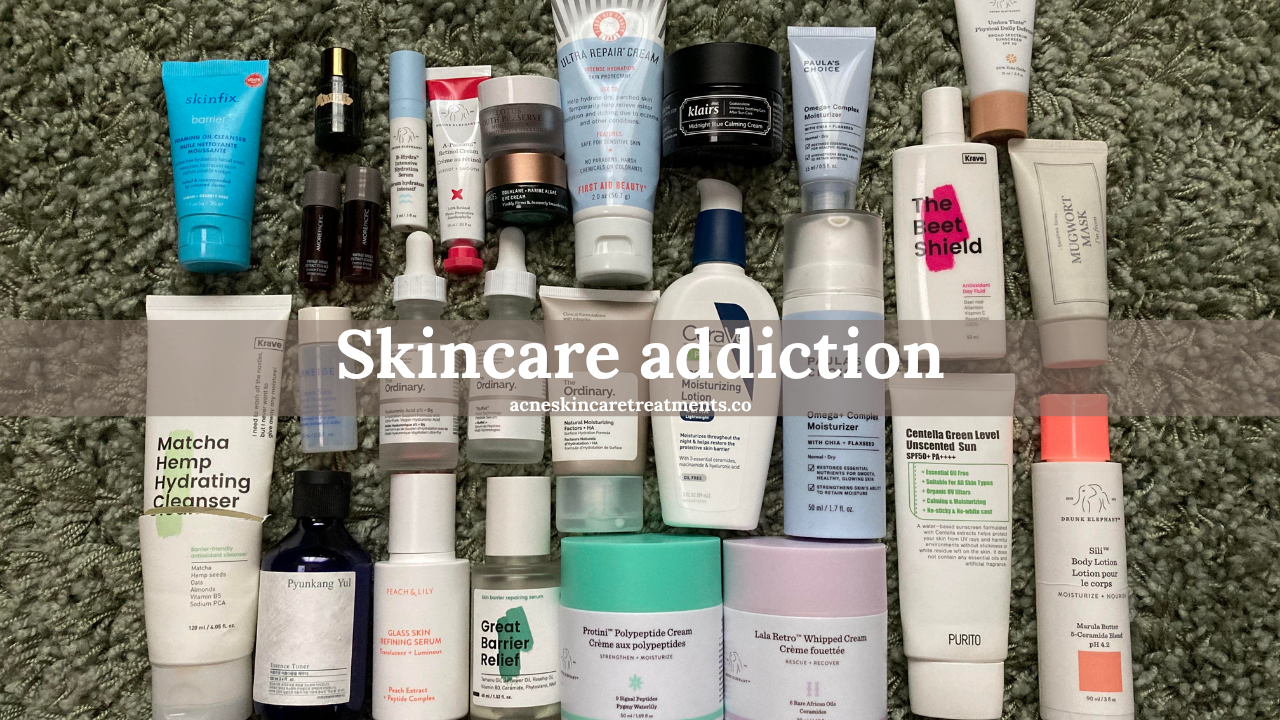
Just as individuals in addiction recovery work to break cycles of dependency, people often find themselves over-relying on skincare products. Constantly layering new treatments or chasing the latest trend can lead to irritation, wasted resources, and even long-term damage to the skin barrier. A balanced approach that prioritizes internal nourishment can reduce this cycle. When your body is fueled with the right nutrients, your skin naturally becomes less reliant on excessive external care.

Practical Steps Toward Balance

Choose Whole Foods First

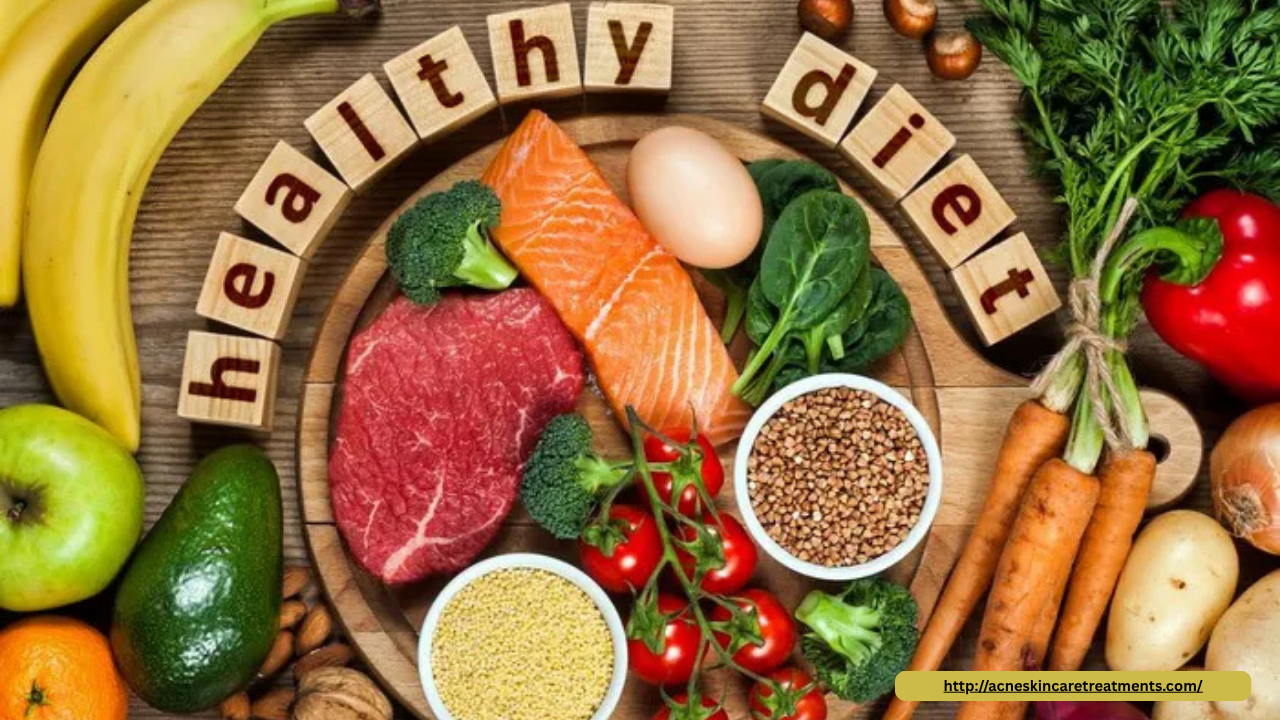
Replace processed snacks with fresh fruits, vegetables, whole grains, and lean proteins. Whole foods are packed with the vitamins and minerals your skin craves.

Stay Consistently Hydrated

Water helps flush out toxins and keeps your skin firm and clear. Herbal teas and water-rich foods like cucumbers and melons are excellent additions.

Practice Moderation

Just like in recovery, balance is essential. Skincare products can be helpful, but using them excessively or as a substitute for healthy habits will not bring lasting results.

Adopt a Holistic Mindset

Think of your skin as part of your whole health journey. A strong mind-body connection, supported by proper diet, rest, and mental health care, creates long-term beauty from within.

Conclusion

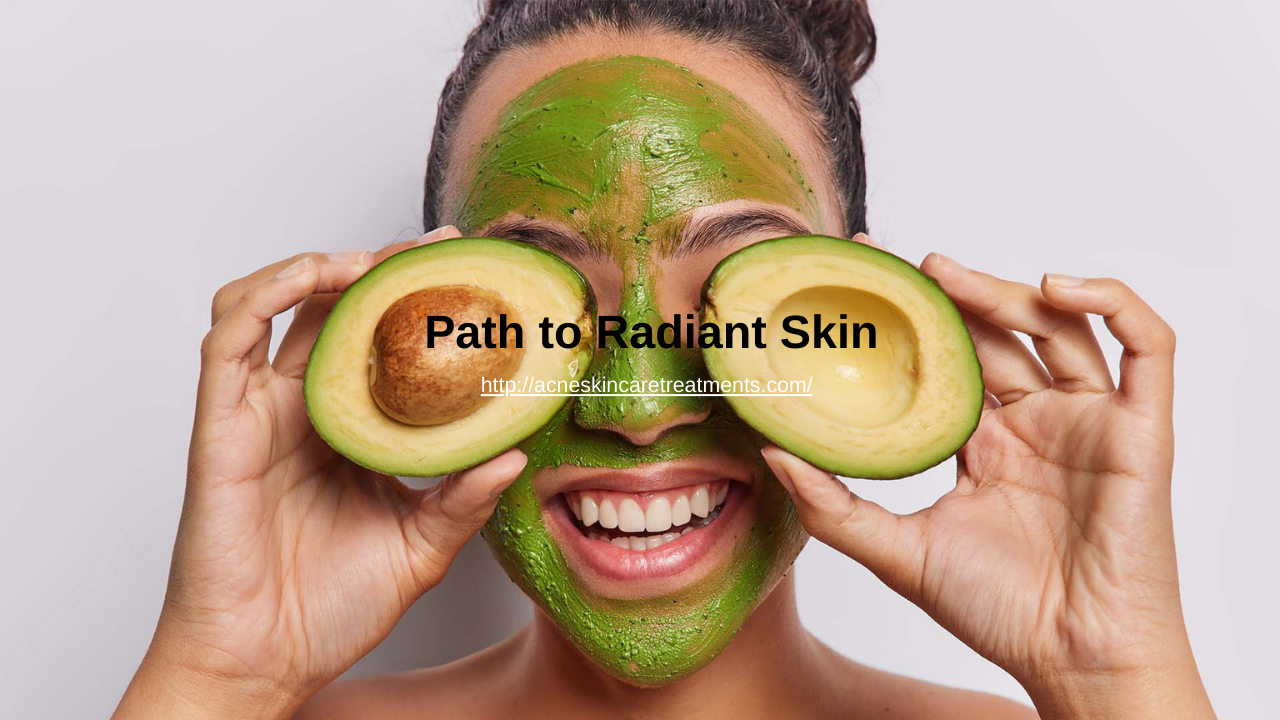
The path to radiant skin is not found in an ever-expanding shelf of products but in a thoughtful and balanced lifestyle. By choosing nutrient-rich foods and practicing moderation, you can strengthen your skin’s natural defenses while reducing dependency on skincare routines. At Acne Skin Care Treatments, we believe that healing, whether from addiction, mental health struggles, or unhealthy habits, requires a compassionate, holistic approach. If you are ready to take the next step in your journey toward wellness inside and out, we are here to guide and support you.

Nourish, Don’t Overdo: How Diet Can Help You Simplify Your Skincare Routine

August 14th, 2025

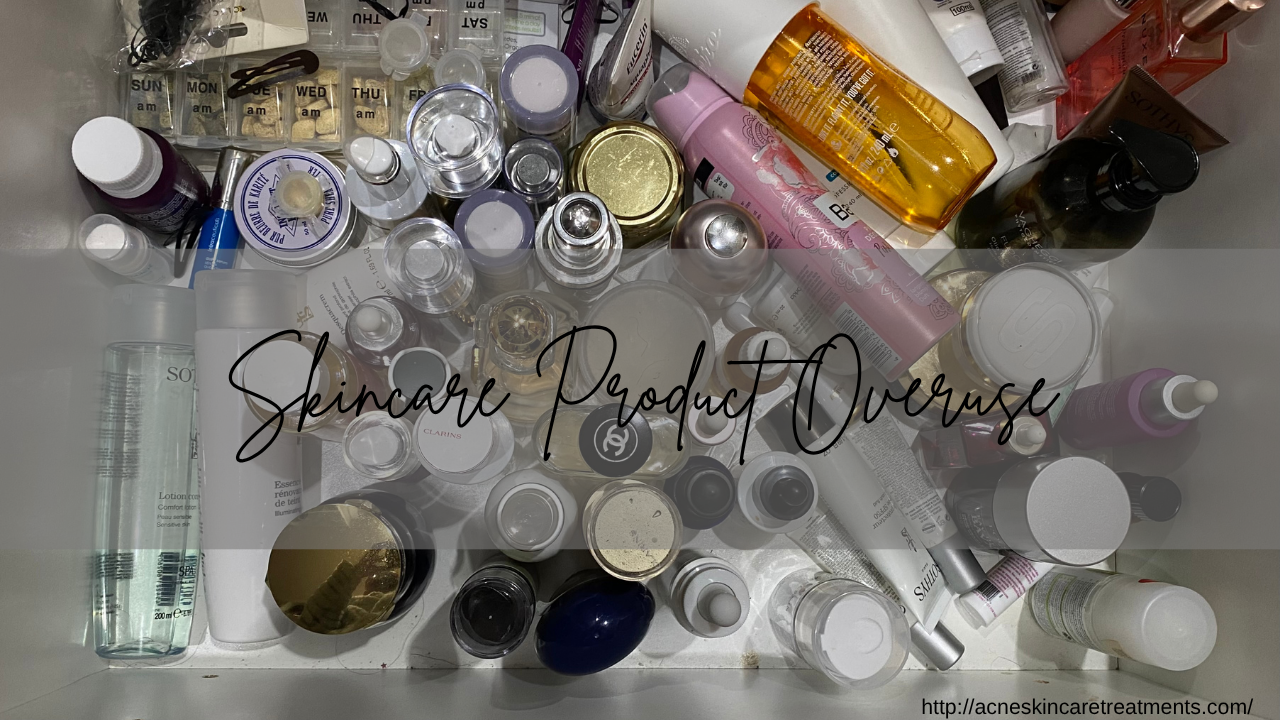
When it comes to achieving healthy, radiant skin, it is easy to get caught in the endless cycle of buying new products. Serums, masks, and treatments promise instant results, but they can also lead to overuse and dependency. For many, this cycle is not unlike other habits that start small but grow into something difficult to control. Just like in addiction recovery, where the focus is on addressing root causes rather than symptoms, your skincare journey can benefit from a similar approach: nourishing your body from within.

The Connection Between Nutrition and Skin Health

Your skin reflects your internal health. Nutrients from whole, unprocessed foods play a powerful role in maintaining skin elasticity, hydration, and resilience. A balanced diet rich in vitamins, minerals, and antioxidants can address skin concerns from the source, reducing the need for excessive external treatments.

Key Nutrients for Radiant Skin

  • Vitamin C: Found in citrus fruits, strawberries, and bell peppers. It supports collagen production and helps protect against sun damage.
  • Omega-3 Fatty Acids: Present in salmon, chia seeds, and walnuts. They keep the skin supple and help reduce inflammation.
  • Zinc: Found in pumpkin seeds, lentils, and lean meats. It aids in skin healing and can help reduce acne breakouts.
  • Vitamin E: Found in almonds, sunflower seeds, and spinach. It protects skin cells from oxidative stress.
  • Water: Proper hydration flushes toxins and keeps skin plump and clear.

When your diet includes these nutrients consistently, your skin is naturally healthier, meaning you may feel less pressure to rely on multiple topical products.

Avoiding Skincare Overuse Through Balanced Eating

Many people fall into the trap of skincare overuse when they see a new blemish or dry patch. This can result in layering too many products, which may actually harm the skin barrier. The same way overmedication can create more problems in health recovery, overloading your skin with products can trigger irritation, redness, and increased sensitivity.

By prioritizing a balanced diet, you are supporting your skin at the foundational level. This means fewer flare-ups, less dryness, and fewer urgent reasons to reach for quick fixes.

Practical Ways to Eat for Skin Health

  1. Choose Whole Foods First: Fill your plate with colorful fruits, leafy greens, lean proteins, and healthy fats.
  2. Stay Hydrated: Drink water throughout the day and include water-rich foods like cucumbers and melons.
  3. Limit Processed Foods and Sugars: These can cause inflammation and breakouts.
  4. Add Antioxidant Power: Include foods like green tea, berries, and dark chocolate in moderation.
  5. Mind Your Portions: Even healthy foods can cause imbalances if consumed in excess.

A Holistic Approach to Skin Wellness

At Acne Skin Care Treatments, we understand that true healing, whether for the mind or the skin, requires addressing the whole person. Our approach to addiction recovery blends medical expertise, mental health support, and holistic wellness practices. Nutrition is an integral part of both mental and physical health, which is why we encourage clients to see the link between what they eat and how they feel, inside and out.

Your Skin Thrives When You Do

Healthy skin does not have to come from a shelf. By feeding your body nutrient-dense foods and staying hydrated, you can reduce your dependence on multiple skincare products. The result is a simplified routine that saves time, money, and stress while allowing your skin to glow naturally.

If you are ready to embrace a healthier, more balanced lifestyle that supports both your skin and your overall well-being, reach out to Acne Skin Care Treatments today. Our team is here to guide you toward lasting change from the inside out.

Feed Your Glow: The Inside-Out Method to Avoid Skincare Product Overuse

August 4th, 2025

In the search for clearer, healthier skin, many people fall into the trap of overusing skincare products. Creams, serums, and toners promise quick fixes and instant radiance, but often lead to irritation, sensitivity, and disappointment. What many don’t realize is that true skin health doesn’t start with what you put on your face. It begins within. By nourishing your body with the right foods and supporting your mental and emotional well-being, you can achieve a lasting glow without relying on an overwhelming routine.

At AcneSkinCareTreatments.com, we understand the connection between physical appearance, mental health, and addictive behaviors. As a trusted provider of addiction recovery and holistic wellness services, we advocate for whole-body healing that includes how you treat your skin.

The Link Between Skin, Mental Health, and Addiction

Many individuals dealing with mental health challenges or addiction find themselves turning to skincare as a form of control. When everything else feels chaotic, creating a detailed skincare regimen can feel like a safe space. But when this routine becomes obsessive, it can mirror the same patterns seen in substance addiction: dependence, overuse, and a cycle of dissatisfaction.

A stressed mind and imbalanced body can both show up on your skin. Chronic anxiety, poor nutrition, and hormonal shifts caused by substance abuse all contribute to breakouts, inflammation, and dullness. Rather than piling on more products, addressing these issues from the inside-out leads to real, sustainable improvement.

The Inside-Out Method to Nourish Your Skin Naturally

Focus on Nutrition First

Your skin is a reflection of what you eat. A diet rich in whole foods, antioxidants, and hydration supports collagen production, reduces inflammation, and strengthens your skin barrier. Consider these nutrient powerhouses:

  • Vitamin C: Found in oranges, kiwi, and bell peppers. Supports healing and collagen formation.
  • Omega-3 Fatty Acids: Found in flaxseeds, walnuts, and salmon. Reduces inflammation and keeps skin hydrated.
  • Zinc: Found in pumpkin seeds, lentils, and lean meats. Helps manage acne and supports skin renewal.
  • Water: Essential for flushing out toxins and maintaining skin elasticity.

Balance Your Mind and Emotions

Stress and emotional imbalance can trigger skin problems and make recovery from addiction more difficult. Incorporating mindfulness practices, therapy, and support groups into your routine helps ease emotional triggers that lead to compulsive skincare behaviors. At our center, we offer faith-based and individualized therapy to help clients regain balance in every area of life, including skin health.

Simplify Your Skincare Routine

Minimal, effective routines are easier on your skin and your mind. Focus on gentle cleansing, sun protection, and moisturizing. Avoid excessive exfoliation or mixing too many active ingredients. When your body is nourished and your mind is at peace, your skin requires less intervention.

Real Healing, Real Confidence

Healing your skin is not about perfection. It’s about learning to care for your whole self without falling into the cycle of product addiction. At AcneSkinCareTreatments.com, we believe in treating the root causes of your struggles, not just the symptoms. Whether you’re facing addiction, mental health challenges, or simply want to break free from obsessive routines, we’re here to support you.

Take the Next Step

If you’re ready to reclaim your health from the inside out, we invite you to reach out. Our compassionate, professional team provides holistic care tailored to your unique needs. Start your journey toward balance, wellness, and confidence today. You deserve it.

Beauty Begins Within: How Smart Eating Breaks the Skincare Dependency Cycle

July 19th, 2025

In a world flooded with skincare products, it’s easy to believe that flawless skin comes from a bottle. People often find themselves caught in an endless cycle of creams, serums, and treatments, constantly searching for the next miracle solution. This product dependency can lead to overuse, irritation, and disappointment. However, the secret to lasting beauty isn’t just about what you put on your skin—it’s about what you put in your body. Smart eating is one of the most powerful ways to break the skincare dependency cycle and achieve natural, radiant skin.

The Role of Nutrition in Skin Health

Your skin reflects your overall health. When you nourish your body with the right nutrients, your skin responds by becoming clearer, brighter, and more resilient. Vitamins, minerals, and antioxidants from whole foods support skin repair, protect against damage, and promote collagen production. Instead of relying on multiple skincare products to fix problems, you can address skin concerns at the source through mindful eating.

Key skin-friendly nutrients include:

  • Vitamin C: Essential for collagen production and skin healing. Found in oranges, strawberries, and bell peppers.
  • Vitamin A: Promotes healthy skin cell turnover and prevents clogged pores. Found in carrots, sweet potatoes, and leafy greens.
  • Omega-3 Fatty Acids: Reduce inflammation and keep skin moisturized. Found in salmon, walnuts, and flaxseeds.
  • Zinc: Helps with wound healing and acne prevention. Found in pumpkin seeds, lentils, and quinoa.
  • Antioxidants: Protect skin cells from environmental stress. Found in berries, green tea, and dark chocolate.
  • Water: Keeps skin hydrated and flushes out toxins.

The Problem with Skincare Overuse

Skincare addiction happens when people become overly reliant on products to manage their skin. Layering too many treatments can overwhelm your skin, leading to redness, sensitivity, and breakouts. Some products may even disrupt the skin’s natural barrier, creating new problems that require more products to fix—a vicious cycle.

This over-dependence also comes at a financial cost, as consumers spend large sums chasing the next beauty trend. The truth is, no external product can replace the foundational role of proper nutrition in skin health.

Breaking the Cycle with Smart Eating

To break free from skincare dependency, start by focusing on your diet. Here are simple strategies to nourish your skin from within:

  1. Eat Whole Foods: Choose fresh fruits, vegetables, lean proteins, and healthy fats.
  2. Limit Processed Foods and Sugar: These can trigger inflammation and worsen skin conditions.
  3. Stay Hydrated: Drink water consistently and include hydrating foods like cucumbers and melons.
  4. Balance Your Gut: Probiotics from yogurt, kefir, and fermented foods help maintain clear skin.
  5. Avoid Crash Diets: Nutrient deficiencies from extreme diets can negatively impact your complexion.

Conclusion

True beauty starts from within. By prioritizing smart eating, you can build a foundation for healthy, glowing skin without becoming dependent on an endless array of products. Nourishing your body with the right foods helps your skin naturally thrive, breaking the skincare addiction cycle and empowering you to embrace a simpler, healthier beauty routine.

Your Skin on Food: How Healthy Ingestion Prevents Skincare Dependency and Enhances Beauty

July 7th, 2025

In today’s beauty-driven culture, it’s easy to believe that flawless skin can be found in a jar. Serums, toners, and treatments dominate the shelves, promising radiant, youthful complexions. But what if the real secret to beautiful skin lies not in your medicine cabinet, but on your plate? The connection between diet and skin health is powerful. By focusing on what you ingest, you can support your skin naturally, reduce dependency on topical products, and achieve a glow that no cream can replicate.

The Internal-External Skin Connection

Your skin acts as a mirror of your internal health. Poor nutrition can manifest as dullness, breakouts, and premature aging, while a nutrient-rich diet enhances clarity, tone, and resilience. Food provides the vitamins, minerals, and antioxidants your skin needs to repair itself, stay hydrated, and fight oxidative stress.

Key nutrients for glowing skin include:

  • Vitamin C: Essential for collagen production, found in citrus fruits, bell peppers, and strawberries.
  • Vitamin A: Supports skin regeneration and helps fight acne, found in carrots, sweet potatoes, and leafy greens.
  • Zinc: Helps control oil production and reduce inflammation, found in seeds, nuts, and legumes.
  • Omega-3 Fatty Acids: Maintain skin moisture and elasticity, found in fatty fish, flaxseeds, and walnuts.
  • Water: Keeps the skin hydrated, flushes out toxins, and promotes cell function.

When these nutrients are consumed consistently, they build a strong foundation for healthy skin from the inside out.

Preventing Skincare Dependency Through Diet

Skincare dependency occurs when people overuse products in the hope of correcting recurring skin problems. This often leads to irritation, sensitivity, and weakened skin barriers, creating a cycle where the skin becomes reliant on treatments.

A diet rich in whole, nutritious foods helps break this cycle by addressing the root causes of skin concerns—not just the symptoms. When your body receives the nutrients it needs, your skin becomes more balanced, less reactive, and more capable of self-repair.

Everyday Habits for Diet-Driven Beauty

  1. Eat the Rainbow: Colorful fruits and vegetables offer a wide range of antioxidants to protect and rejuvenate the skin.
  2. Hydrate Mindfully: Drink water regularly and include water-dense foods like cucumber, watermelon, and lettuce.
  3. Limit Processed Foods and Sugars: These contribute to inflammation and breakouts, diminishing skin vitality.
  4. Incorporate Healthy Fats: Avocados, nuts, and olive oil support a smooth, plump complexion.
  5. Support Gut Health: Fermented foods like yogurt, kefir, and kimchi help maintain a healthy gut-skin axis.

Conclusion

Healthy ingestion is one of the most underrated beauty tools available. Instead of relying solely on skincare products, turning to a balanced, nutrient-rich diet can foster lasting skin health and reduce the need for external treatments. By feeding your body well, you empower your skin to function optimally and radiate natural beauty. Real beauty, after all, starts with what you put inside your body.

Breaking the Cycle: Why a Balanced Diet Reduces Your Reliance on Skincare Products

June 13th, 2025

When it comes to skincare, many people focus on external solutions—serums, creams, and treatments—to achieve a flawless complexion. However, true skin health starts from within. What you eat plays a crucial role in maintaining vibrant, youthful skin while also helping you avoid the trap of addictive skincare habits. Instead of becoming overly reliant on an extensive routine filled with countless products, you can nourish your skin naturally through a balanced diet.

The Skin-Diet Connection

Your skin is the largest organ of your body, and it reflects your overall health. A nutrient-rich diet provides essential vitamins, minerals, and antioxidants that promote cell regeneration, hydration, and elasticity. Conversely, consuming processed foods high in sugar, unhealthy fats, and artificial additives can lead to inflammation, breakouts, and premature aging.

Certain nutrients are particularly beneficial for skin health:

  • Vitamin C: Found in citrus fruits, bell peppers, and berries, vitamin C boosts collagen production and fights free radical damage.
  • Omega-3 Fatty Acids: Present in fatty fish, flaxseeds, and walnuts, omega-3s help maintain skin moisture and reduce inflammation.
  • Zinc: Found in nuts, seeds, and lean meats, zinc helps with skin healing and acne prevention.
  • Vitamin E: Abundant in almonds, sunflower seeds, and spinach, vitamin E protects the skin from environmental damage.
  • Water: Proper hydration is essential for flushing out toxins and keeping skin supple and plump.

By incorporating these nutrients into your diet, you provide your skin with the essential building blocks for a natural, healthy glow.

Avoiding Skincare Addiction

Skincare addiction refers to the excessive dependence on skincare products, often fueled by a belief that more products lead to better results. This can result in over-exfoliation, irritation, and even a damaged skin barrier. Many skincare products contain chemicals and preservatives that may cause sensitivity and long-term dependency.

By prioritizing a nutritious diet, you reduce the need for excessive products. Instead of constantly treating skin concerns with external applications, you address the root causes through balanced nutrition. When your skin is naturally healthy, you won’t feel the need to experiment with endless products, reducing the risk of overuse and potential skin damage.

Practical Steps for a Skin-Healthy Diet

  1. Eat Whole Foods: Focus on fresh fruits, vegetables, lean proteins, and healthy fats rather than processed foods.
  2. Stay Hydrated: Drink plenty of water and incorporate hydrating foods like cucumbers and watermelon.
  3. Limit Sugar and Dairy: High sugar intake contributes to breakouts, while dairy can trigger inflammation in some individuals.
  4. Incorporate Antioxidants: Green tea, dark chocolate, and colorful vegetables help combat oxidative stress.
  5. Practice Moderation: While some skincare products are beneficial, don’t rely on them solely for skin health—balance is key.

Conclusion

Achieving glowing, healthy skin doesn’t have to involve an extensive skincare routine. By making mindful dietary choices, you nourish your skin from the inside out, reducing the need for excessive skincare products. A well-balanced diet not only enhances your complexion but also helps break the cycle of skincare addiction. So, next time you consider reaching for another product, ask yourself—are you feeding your skin the nutrients it truly needs?

Skin Deep: The Truth About Nutrition, Hydration, and Avoiding Skincare Overuse

May 29th, 2025

In the pursuit of healthy, glowing skin, it’s easy to get swept up in an ever-growing list of skincare products promising transformative results. While some topical treatments have their merits, the foundation of true skin health lies far deeper than the surface. Nutrition and hydration play an essential role in maintaining vibrant, resilient skin, often making many skincare products redundant. Understanding this truth can help you cut through the noise and avoid falling into the trap of skincare overuse.

The Role of Nutrition in Skin Health

Your skin is a living, breathing organ that reflects your overall health. Feeding it from within with the right nutrients can be far more effective than relying solely on creams and serums. Nutrient-rich foods provide the building blocks your skin needs to function optimally—from regenerating cells to fighting inflammation.

Key nutrients that support skin health include:

  • Vitamin A: Promotes cell turnover and prevents clogged pores. Found in carrots, sweet potatoes, and dark leafy greens.
  • Vitamin C: Vital for collagen production and skin repair. Found in citrus fruits, broccoli, and strawberries.
  • Vitamin E: Acts as an antioxidant to protect skin from free radical damage. Found in almonds, sunflower seeds, and spinach.
  • Zinc: Reduces inflammation and supports skin healing. Found in nuts, seeds, and legumes.
  • Omega-3 Fatty Acids: Help maintain hydration and reduce redness. Found in fatty fish, chia seeds, and walnuts.

The Importance of Hydration

Water is perhaps the most underrated skincare ingredient. Proper hydration keeps the skin plump, supports elasticity, and aids in flushing out toxins. Dehydration can lead to a dull complexion, increased fine lines, and dryness—problems often mistakenly treated with excessive topical products.

Hydration tips for skin health:

  • Drink water consistently throughout the day, not just when you feel thirsty.
  • Include water-rich foods like cucumbers, watermelon, and leafy greens in your diet.
  • Limit dehydrating substances such as alcohol and excessive caffeine.

The Problem with Skincare Overuse

Using too many products can do more harm than good. Overuse can strip your skin’s natural barrier, cause irritation, and trigger breakouts. The skin becomes dependent on these products, leading to a vicious cycle of application and reaction.

Signs of skincare overuse include:

  • Redness and sensitivity
  • Persistent dryness or oiliness
  • Frequent breakouts or inflammation
  • Constantly adding new products to your routine without lasting results

Instead of layering more products, simplify your skincare routine and turn your focus to nourishing your body.

Achieving Balance Naturally

To cultivate long-lasting skin health without falling into overuse:

  1. Eat a varied, whole-food diet that includes fruits, vegetables, lean proteins, and healthy fats.
  2. Stay hydrated to support cellular function and skin elasticity.
  3. Sleep well and manage stress, both of which have a significant impact on your skin.
  4. Use minimal, effective skincare products that support your skin type without overwhelming it.

Conclusion

Skin health is more than skin deep. While topical products can enhance your routine, the real glow comes from a well-nourished, hydrated body. By focusing on nutrition, hydration, and mindful product use, you can maintain beautiful, resilient skin without relying on an overstuffed skincare cabinet. True beauty begins from within.

Addiction-Free Beauty: How Diet Choices Can Reduce the Need for Excessive Skincare Products

May 13th, 2025

In a world overflowing with skincare trends and product launches, it’s easy to fall into the trap of over-purchasing and over-applying in the quest for perfect skin. Many people unknowingly develop a form of skincare dependency, feeling compelled to use a multitude of products to maintain or achieve a radiant complexion. However, beauty doesn’t have to come at the cost of excessive product use. By making conscious dietary choices, you can nourish your skin from within and significantly reduce the need for a crowded vanity.

The Skin-Diet Connection

Your skin is a mirror of your internal health. While topical products can provide temporary relief or enhancement, they often treat symptoms rather than causes. Diet, on the other hand, supports the skin at a cellular level. A nutrient-rich diet can help balance oil production, combat inflammation, support collagen production, and promote cell turnover.

Some of the most powerful skin-supporting nutrients include:

  • Vitamin C: A potent antioxidant that aids in collagen production and brightens the skin. Found in citrus fruits, kiwi, and bell peppers.
  • Vitamin E: Protects skin cells from oxidative damage. Found in nuts, seeds, and green leafy vegetables.
  • Zinc: Helps control oil production and prevent acne. Found in legumes, seeds, and whole grains.
  • Omega-3 Fatty Acids: Reduce inflammation and keep skin supple. Found in fatty fish, flaxseeds, and walnuts.
  • Water: Essential for keeping skin hydrated and supporting detoxification.

Recognizing Skincare Dependency

Skincare dependency isn’t always obvious. It can develop gradually, starting with a single product and escalating into a complex routine based more on fear than effectiveness. Signs of dependency include:

  • Feeling anxious or insecure without a full skincare regimen
  • Frequently trying new products to “fix” perceived flaws
  • Skin irritation or sensitivity from product overload
  • Spending large amounts of money on skincare without seeing consistent results

How Diet Helps Break the Cycle

Focusing on nutrition allows you to shift from reactive skincare to proactive self-care. When your body receives the right nutrients, your skin begins to self-regulate, becoming less prone to breakouts, dryness, and dullness.

Here are simple dietary habits that promote addiction-free beauty:

  1. Eat Whole Foods: Opt for minimally processed foods that retain their natural vitamins and minerals.
  2. Stay Hydrated: Drinking enough water helps your body flush toxins and maintain skin elasticity.
  3. Balance Blood Sugar: Avoid high-glycemic foods that can spike insulin levels and trigger acne.
  4. Include Healthy Fats: Support the skin barrier with avocados, nuts, and seeds.
  5. Support Gut Health: A healthy gut microbiome can reduce skin inflammation and improve clarity.

Conclusion

True beauty is a reflection of inner health. Rather than chasing temporary fixes through an arsenal of skincare products, embrace a lifestyle that supports your skin from the inside out. With a nutrient-rich diet, your skin can thrive naturally, reducing the need for excessive external treatments. Addiction-free beauty is not only achievable—it’s sustainable, empowering, and rooted in wellness.

Feeding Your Skin: Natural Ways to Achieve Radiance Without Falling into Skincare Addiction

April 30th, 2025

In an age of 10-step routines and viral skincare products, achieving radiant skin has become more about consumerism than wellness. Many people find themselves stuck in a cycle of constantly purchasing new products, hoping to find the one that finally works. This dependency, often referred to as skincare addiction, not only strains wallets but can also irritate the skin and mask deeper health issues. The good news? Radiant, healthy skin can be cultivated naturally, starting with what you feed your body.

The Inside-Out Approach to Radiant Skin

Skin is a reflection of your internal health. When your body is nourished with the right nutrients, your skin becomes more resilient, vibrant, and naturally beautiful. Instead of relying solely on external products to fix skin concerns, focusing on your diet can address root causes such as inflammation, dehydration, and hormonal imbalances.

Some of the most skin-nourishing nutrients include:

  • Vitamin C: Crucial for collagen synthesis and skin repair. Found in citrus fruits, bell peppers, and strawberries.
  • Vitamin A: Supports cell turnover and helps prevent acne. Found in carrots, sweet potatoes, and leafy greens.
  • Omega-3 Fatty Acids: Reduce inflammation and support skin hydration. Found in fatty fish, walnuts, and flaxseeds.
  • Biotin and B Vitamins: Promote cell growth and a healthy glow. Found in eggs, nuts, whole grains, and avocados.
  • Water: Staying hydrated flushes out toxins and helps keep your skin plump and luminous.

The Trap of Skincare Addiction

Skincare addiction often arises from a desire for quick fixes. It can manifest as excessive product layering, impulsive purchases, or anxiety over skipping a step in your routine. This not only overwhelms your skin but can lead to sensitivity, dependency, and damaged skin barriers.

Signs of skincare addiction include:

  • Frequently changing your skincare routine
  • Using more than 5-6 products at once
  • Experiencing skin irritation or breakouts from product overuse
  • Feeling panic or guilt when missing a skincare step

Breaking this cycle involves shifting the focus from external treatments to internal nourishment.

Natural Strategies for Glowing Skin

To achieve skin radiance naturally, consider these holistic, sustainable practices:

  1. Eat Colorfully: Incorporate a rainbow of fruits and vegetables to ensure a broad spectrum of skin-loving antioxidants.
  2. Include Healthy Fats: Avocados, nuts, seeds, and olive oil help maintain moisture and elasticity.
  3. Limit Processed Foods and Sugar: These can lead to inflammation and breakouts.
  4. Support Gut Health: Probiotics from yogurt, kefir, and fermented foods promote clear skin by balancing gut flora.
  5. Stay Active: Regular exercise improves circulation, delivering oxygen and nutrients to skin cells.
  6. Get Enough Sleep: Skin repairs and regenerates while you sleep, so aim for 7-9 hours per night.

Conclusion

Radiant skin doesn’t come from a bottle—it starts with what you nourish your body with. By feeding your skin the right nutrients and adopting a balanced lifestyle, you can achieve a healthy glow without falling into the trap of skincare addiction. Rather than chasing trends, focus on cultivating wellness from the inside out. Your skin will thank you with a glow that no product can replicate.

Beyond the Creams: How What You Eat Affects Your Skin and Reduces Product Dependency

April 17th, 2025

In the pursuit of glowing, flawless skin, it’s common to turn to skincare products that promise instant results. While creams, serums, and toners can provide temporary benefits, they often serve as band-aid solutions. The real secret to lasting skin health lies beyond the surface. What you eat has a profound impact on your skin’s appearance, strength, and ability to regenerate. By nourishing your body from within, you can reduce your dependency on external skincare products and cultivate a naturally radiant complexion.

The Skin-Food Relationship

Skin health is deeply connected to what you put on your plate. A balanced, nutrient-rich diet feeds the skin cells, supports collagen production, and strengthens the skin barrier. In contrast, poor dietary habits can lead to inflammation, breakouts, dryness, and premature aging.

Nutrients that are especially beneficial to skin include:

  • Vitamin C: Boosts collagen production and repairs damaged skin. Found in oranges, kiwi, broccoli, and strawberries.
  • Vitamin A: Promotes cell turnover and reduces acne. Found in carrots, sweet potatoes, and dark leafy greens.
  • Omega-3 Fatty Acids: Help maintain moisture and combat inflammation. Found in salmon, flaxseeds, and walnuts.
  • Zinc: Assists in healing and reduces acne-causing bacteria. Found in pumpkin seeds, lentils, and quinoa.
  • Antioxidants: Protect against environmental damage. Found in berries, green tea, and dark chocolate.

The Pitfalls of Overusing Skincare Products

With new skincare trends and product launches constantly emerging, it’s easy to feel overwhelmed and over-reliant on a multitude of products. However, excessive product use can have unintended consequences such as:

  • Disrupting the skin’s natural barrier
  • Causing irritation or allergic reactions
  • Creating dependency where the skin relies on external sources for hydration or repair
  • Wasting money on products that mask, rather than solve, underlying issues

Instead of endlessly layering products, focusing on diet can address skin concerns at their root. When your skin is adequately nourished from within, it becomes more resilient, less reactive, and less dependent on topical treatments.

Eating for Radiant Skin

Transitioning to a skin-friendly diet doesn’t require drastic changes. It involves mindful eating and incorporating skin-supporting foods into your daily meals:

  1. Eat Whole, Unprocessed Foods: Choose whole grains, lean proteins, and fresh produce over packaged, processed options.
  2. Stay Hydrated: Drink plenty of water and consume water-rich foods like cucumbers, melons, and celery.
  3. Limit Sugar and Refined Carbs: Excess sugar can trigger inflammation and contribute to acne and aging.
  4. Include Healthy Fats: Foods like avocados, nuts, and olive oil promote skin elasticity and moisture.
  5. Don’t Skip Meals: Regular meals keep energy and nutrient levels stable, supporting skin regeneration.

Conclusion

Healthy, radiant skin is not just about what you apply externally, but also what you feed your body. By understanding the connection between nutrition and skin health, you can simplify your skincare routine and reduce product dependency. Investing in your diet is a long-term, sustainable approach that pays off in glowing, naturally beautiful skin. Next time you think of buying another cream, consider reaching for a nutrient-packed meal instead.