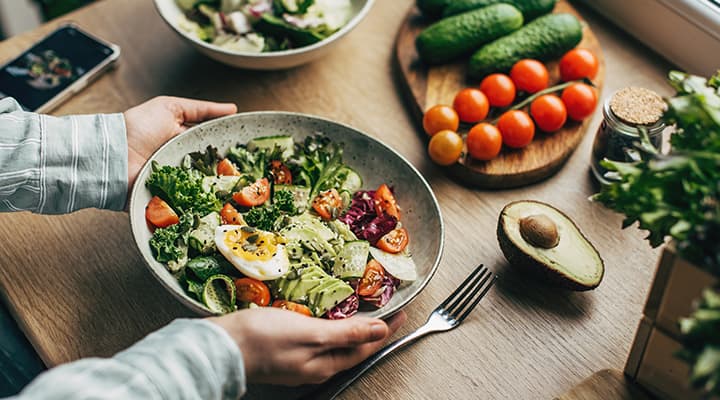
Healthy skin is often associated with cleansers, moisturizers, and acne treatments, but one of the most important factors influencing skin health is something many people overlook: nutrition. The foods and beverages you consume every day can impact inflammation, hormone balance, digestion, and your body’s natural healing processes. Together, these factors play a significant role in whether your skin thrives or struggles with recurring breakouts.
For individuals working toward better health, including those navigating addiction recovery or mental health challenges, nutrition can be a powerful tool for healing. A balanced diet not only supports clearer skin but also contributes to improved mood, energy, and overall wellness. Understanding the connection between food and skin health can help you make informed choices that benefit your body from the inside out.
Understanding the Food and Skin Connection
Your skin is your body’s largest organ, and like every other organ, it depends on proper nutrition to function effectively. When your body receives essential vitamins, minerals, antioxidants, and healthy fats, your skin is better equipped to repair itself, manage inflammation, and maintain a healthy appearance.
Conversely, poor dietary habits can contribute to inflammation and hormonal fluctuations that may trigger or worsen acne. While no single food causes acne in everyone, certain eating patterns are associated with increased breakouts in many individuals.
How Inflammation Affects Acne
Inflammation is a natural response that helps the body heal. However, chronic inflammation can contribute to a variety of health concerns, including acne. Diets high in processed foods, refined sugars, and unhealthy fats may increase inflammatory activity throughout the body.
When inflammation rises, acne lesions may become more severe, take longer to heal, and leave behind more noticeable marks. Choosing anti-inflammatory foods can help support healthier skin and overall wellness.
Smart Nutrition Choices for Clearer Skin
Making skin-friendly dietary choices does not require extreme restrictions. Instead, focus on creating balanced meals that nourish your body consistently.
Prioritize Whole Foods
Whole foods provide nutrients in their most natural form. Fresh vegetables, fruits, whole grains, legumes, lean proteins, nuts, and seeds supply vitamins and minerals that support skin repair and immune function.
Colorful fruits and vegetables are particularly beneficial because they contain antioxidants that help protect skin cells from damage caused by environmental stressors and inflammation.
Choose Healthy Fats
Healthy fats play a crucial role in maintaining the skin’s protective barrier. Foods such as avocados, olive oil, walnuts, flaxseeds, and fatty fish contain nutrients that support hydration and reduce inflammation.
Omega-3 fatty acids, in particular, may help calm inflammatory responses associated with acne-prone skin.
Support Gut Health
Research continues to highlight the connection between gut health and skin health. A balanced gut microbiome can help regulate inflammation and improve nutrient absorption.
Foods such as yogurt with live cultures, kefir, sauerkraut, kimchi, and other fermented foods can support digestive wellness. Fiber-rich foods also promote healthy digestion and contribute to overall skin health.
Foods That May Contribute to Breakouts
While every person responds differently, some foods are more commonly associated with acne flare-ups.
Refined Sugars and Processed Carbohydrates
Sugary snacks, soft drinks, pastries, and highly processed carbohydrates can cause rapid increases in blood sugar. These spikes may trigger hormonal responses that stimulate oil production and contribute to clogged pores.
Highly Processed Foods
Many packaged foods contain ingredients that may promote inflammation when consumed frequently. Limiting highly processed options and focusing on whole foods can support both skin and overall health.
Individual Food Sensitivities
Some individuals notice that specific foods seem to worsen their skin. Keeping a food journal may help identify patterns between dietary choices and acne flare-ups. This approach allows for personalized adjustments rather than unnecessary restrictions.
Nutrition as Part of Holistic Healing
For individuals recovering from substance use disorders or managing mental health challenges, nutrition is an important component of comprehensive care. Poor nutrition can affect energy levels, emotional well-being, sleep quality, and physical health.
Holistic treatment approaches recognize that healing involves more than addressing symptoms. Supporting the body through balanced nutrition can strengthen recovery efforts and improve quality of life. When people feel physically stronger and more energized, they are often better equipped to engage fully in their treatment and personal growth.
Building Sustainable Habits
Long-term wellness comes from consistency, not perfection. Small changes can produce meaningful results over time.
Consider these practical strategies:
- Eat balanced meals that include protein, healthy fats, and fiber.
- Stay hydrated throughout the day.
- Include fruits and vegetables in every meal.
- Limit highly processed snacks and sugary beverages.
- Practice mindful eating and pay attention to how foods affect your body.
These simple habits support both skin health and overall wellness.
Conclusion
The connection between food and skin health is powerful. While skincare treatments remain important, what you eat can significantly influence inflammation, healing, and the frequency of breakouts. By making smart nutrition choices and focusing on whole, nutrient-dense foods, you can support clearer skin and better overall health.
For those navigating addiction recovery, mental health treatment, or other personal wellness challenges, nutrition offers an additional pathway toward healing. Every healthy choice you make contributes to a stronger foundation for recovery, confidence, and long-term well-being.
If you are struggling with acne, emotional wellness concerns, or challenges related to recovery, seeking professional support can help you create a personalized plan that addresses your unique needs. Healing is most effective when it considers the whole person, and that includes the important connection between nutrition and skin health.
