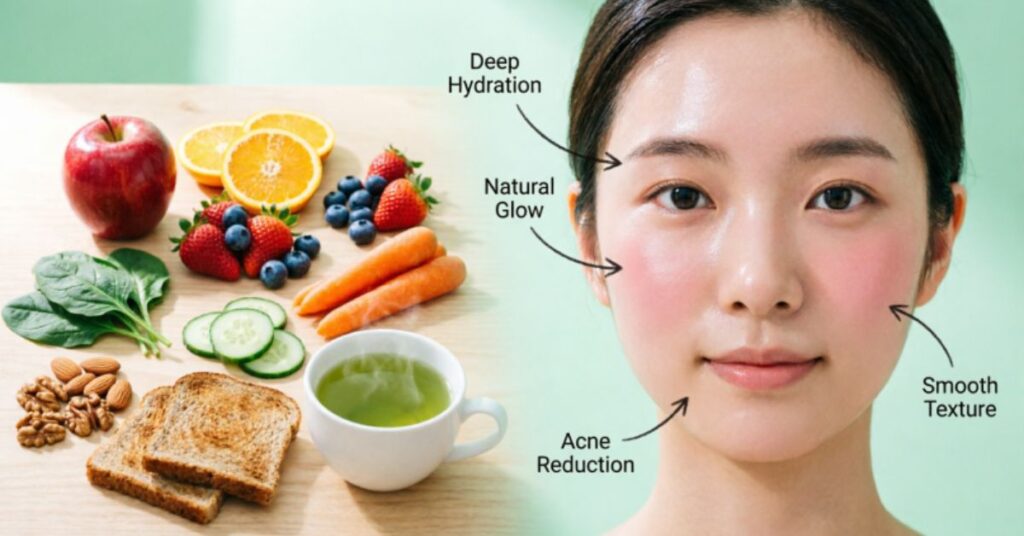
Acne can be frustrating, especially when breakouts continue despite a consistent skincare routine. While hormones, genetics, stress, and skincare products all play a role in skin health, your diet may also influence how your skin responds. Understanding the connection between food and acne can help you identify possible triggers, make informed choices, and develop healthier daily habits. The goal is not to follow a restrictive diet or blame yourself for breakouts. Instead, it is to learn what works for your body and support your skin with a balanced, sustainable approach.
How Your Diet May Affect Acne
Acne develops when hair follicles become clogged with oil and dead skin cells. Inflammation and bacteria can contribute to the development of pimples, blackheads, and deeper blemishes. Although food is not the sole cause of acne, research suggests that certain dietary patterns may influence symptoms in some people.
High-Glycemic Foods and Blood Sugar
Foods that raise blood sugar quickly, including sugary drinks, candy, pastries, and some highly refined carbohydrates, may affect hormones involved in oil production and inflammation. For some individuals, eating these foods frequently may be associated with more noticeable acne.
You do not necessarily need to eliminate carbohydrates. Instead, consider choosing more whole grains, vegetables, beans, and other fiber-rich foods. These options can support steadier energy levels and contribute to an overall balanced diet.
Dairy Products and Skin Health
Some studies have found an association between certain dairy products, particularly cow’s milk, and acne. However, the evidence is not conclusive, and dairy does not trigger breakouts in everyone.
If you suspect a connection, record your dairy intake and skin changes before making significant dietary adjustments. If you choose to reduce dairy, make sure you still get adequate calcium, protein, and vitamin D from suitable foods or fortified alternatives.
Overall Eating Patterns Matter
A varied diet that includes fruits, vegetables, whole grains, healthy fats, and protein supports general health. Although no single food guarantees clear skin, a balanced eating pattern provides nutrients your body needs to maintain normal skin function.
It is also important to remember that acne can persist even when you eat well. Genetics, hormonal changes, medications, stress, and other factors can influence breakouts. Healthy eating can be part of a skincare plan, but it is not a guaranteed treatment.
How to Track Food Triggers for Acne
If you frequently experience breakouts and suspect your diet may be contributing, keeping a simple food and skin diary can help you notice patterns. Rather than changing everything at once, collect information consistently and give yourself time to understand what it may mean.
1. Record What You Eat and Drink
For two to four weeks, write down your meals, snacks, and beverages. Include details such as sugary drinks, dairy products, refined carbohydrates, and other foods you think might be relevant.
You do not need to count every calorie or weigh every portion. A brief description of your meals is usually enough to help you recognize recurring patterns.
For example, you might record what you ate at breakfast, whether you had a sweetened drink in the afternoon, and what you noticed about your skin later that day or during the following days.
2. Monitor Your Skin Consistently
Record your skin condition alongside your food intake. Note new breakouts, redness, oiliness, irritation, and where blemishes appear. Taking a photograph once or twice a week under similar lighting can also help you compare changes over time.
Remember that acne does not always appear immediately after eating a particular food. A breakout on one day does not prove that a meal from the previous day caused it. Look for repeated patterns rather than drawing conclusions from isolated experiences.
3. Include Stress, Sleep, and Skincare Habits
Food is only one part of the picture. Stress, sleep quality, hormonal changes, exercise, medications, and skincare products may also affect your skin.
Add a few notes about these factors to your diary. For example, you may notice that breakouts become more frequent during stressful weeks or after several nights of poor sleep.
This broader approach helps you avoid blaming a single food when several factors could be involved.
4. Make One Change at a Time
Once you have identified a possible pattern, consider making one manageable change rather than overhauling your entire diet. If you suspect a particular food is associated with breakouts, discuss a reasonable trial period with a healthcare professional or registered dietitian.
Continue monitoring your skin and other habits during the trial. Changing several foods simultaneously makes it harder to identify which change, if any, made a difference.
Avoid severe elimination diets, skipping meals, or cutting out entire food groups without appropriate guidance. These approaches can make eating unnecessarily stressful and may leave you short of important nutrients.
Building a Balanced Diet for Healthier Skin
Tracking food triggers is most useful when it supports a positive relationship with food. You do not need a perfect diet to care for your skin. Consistent, realistic habits are often more sustainable than strict rules.
Choose Nutrient-Rich Foods
Try to include a variety of foods throughout the day, such as:
- Fruits and vegetables: These provide vitamins, minerals, and other nutrients that support normal body functions.
- Whole grains: Oats, brown rice, and whole-grain bread provide fiber and can be part of balanced meals.
- Protein sources: Eggs, fish, beans, lentils, tofu, and poultry help meet your body’s protein needs.
- Healthy fats: Nuts, seeds, olive oil, and oily fish provide fats that support overall health.
- Water and other suitable beverages: Staying hydrated supports normal bodily functions, although drinking extra water alone will not cure acne.
You can start with small adjustments, such as adding vegetables to lunch, choosing a filling breakfast, or replacing some sugary drinks with water. These practical steps are easier to maintain than trying to change everything overnight.
Avoid Turning Food Tracking Into Food Fear
It is easy to become anxious when you are trying to understand persistent acne. However, worrying about every ingredient or feeling guilty after eating certain foods can make daily life more difficult.
Food tracking should be a tool for learning, not a source of punishment. If your notes do not reveal a consistent pattern, that is useful information too. It may suggest that other causes deserve more attention.
If food choices begin to create significant anxiety, interfere with social activities, or lead to restrictive eating, consider speaking with a qualified healthcare professional or registered dietitian.
When Should You Seek Professional Help for Acne?
Dietary adjustments can complement skincare, but they should not replace appropriate medical care. A dermatologist can assess your symptoms, identify possible contributing factors, and recommend treatments suited to your skin.
Consider arranging an appointment if your acne is persistent, painful, worsening, or leaving scars. Professional advice is especially important if breakouts affect your confidence or emotional well-being.
It is also worth discussing acne with a healthcare professional if you notice other symptoms, such as irregular menstrual periods or sudden, severe breakouts. These changes may warrant further evaluation.
Skin health can also affect how you feel about yourself. Ongoing acne may contribute to stress, embarrassment, or social withdrawal. If these feelings become difficult to manage, talking with a mental health professional can help you build coping strategies and protect your overall well-being.
A personalized approach considers more than the appearance of your skin. It recognizes that physical health, emotional health, daily routines, and individual circumstances can influence how you feel and function.
Conclusion: Take a Practical Approach to Food and Skin Health
Can what you eat affect your acne? For some people, certain dietary patterns may contribute to breakouts, but the relationship varies from person to person. Keeping a food and skin diary, monitoring stress and sleep, and making gradual changes can help you identify possible triggers without unnecessary restrictions.
Start with a few simple steps: record your meals, observe your skin over time, and focus on balanced nutrition. If acne continues or begins affecting your quality of life, seek guidance from a dermatologist or another qualified healthcare professional.
Healthy skin is not about achieving a perfect diet. It is about understanding your needs, making informed choices, and finding an approach you can maintain. With patience and the right support, you can take meaningful steps toward better skin health and greater confidence.