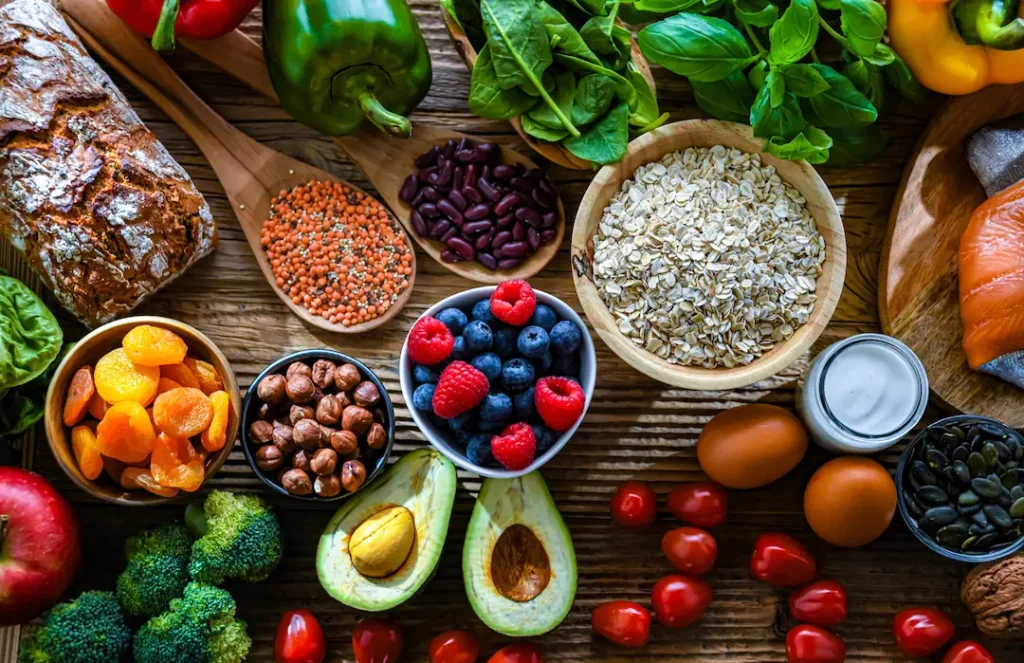
Intake for Your Skin's Health

Caring for Your Skin by Monitoring What You Ingest

The Food and Skin Connection: A Simple Guide to Tracking Your Diet and Breakouts

November 4th, 2026

Persistent acne can be frustrating, particularly when you are already following a skincare routine and still experiencing breakouts. While hormones, genetics, stress, and skincare products can all influence your skin, your eating habits may also play a role. Certain dietary patterns have been associated with acne in some people, making it useful to understand how food choices and skin changes may be connected. By tracking your meals and monitoring your breakouts, you can begin identifying possible triggers and make informed decisions about your skin health without resorting to unnecessary food restrictions.

Understanding the food and skin connection does not mean blaming yourself for acne or expecting your diet to solve every skin concern. Instead, it means looking at your daily habits as part of a broader approach to physical and emotional well-being.

Understanding the Connection Between Food and Acne

Acne develops when hair follicles become blocked with oil and dead skin cells. Inflammation and bacteria can contribute to the development of pimples, blackheads, whiteheads, and deeper blemishes. Although food is not the only factor involved, research suggests that certain eating patterns may influence acne symptoms in some individuals.

High-Glycemic Foods and Breakouts

High-glycemic foods are foods that can raise blood sugar relatively quickly. Examples include sugary beverages, sweets, white bread, and some highly processed snacks.

Rapid changes in blood sugar may influence hormones and biological processes associated with oil production and inflammation. Some studies have linked diets high in refined carbohydrates and added sugars with increased acne symptoms.

You do not need to eliminate carbohydrates to support healthy skin. Instead, consider including more fiber-rich options, such as oats, beans, vegetables, and whole grains. These foods can help create balanced meals and support general health.

Dairy Products and Acne

Dairy is another dietary factor researchers have examined. Some studies suggest an association between cow’s milk consumption and acne, although findings vary and do not establish that dairy causes breakouts in everyone.

If you regularly consume milk or other dairy products and suspect they may affect your skin, record your intake and monitor changes over time. Avoid removing an entire food group without considering your nutritional needs. A registered dietitian can help you find suitable alternatives if dietary adjustments are appropriate.

The Role of Overall Nutrition

Your skin needs nutrients to maintain its normal structure and function. A varied diet containing protein, healthy fats, vitamins, minerals, and fiber supports the body in many ways.

However, there is no single food that guarantees clear skin. Eating a balanced diet can support overall health, but acne may still require professional skincare or medical treatment.

Why Tracking Your Diet and Breakouts Can Help

When acne appears repeatedly, it is natural to search for an explanation. However, remembering everything you ate and how your skin looked several days later can be difficult.

A food and skin diary provides a simple way to collect useful information. Instead of guessing which foods might be responsible, you can review your habits and look for recurring patterns.

1. Start With a Simple Food Diary

Record your meals, snacks, and beverages each day. Include foods you commonly eat, as well as anything you suspect may be associated with breakouts.

Your diary does not need to be complicated. A notebook, spreadsheet, or notes application can work well.

For example, you might record:

  • Breakfast: Oatmeal, fruit, and coffee.
  • Lunch: Chicken, brown rice, and vegetables.
  • Snack: Yogurt and nuts.
  • Dinner: Fish, roasted vegetables, and water.

You can also note portion sizes when useful, but avoid turning the process into strict calorie counting. The purpose is to understand your eating patterns, not judge your food choices.

2. Record Changes in Your Skin

Alongside your meals, document how your skin looks and feels. Note new pimples, redness, oiliness, irritation, and the areas where breakouts appear.

Taking photographs once or twice a week under similar lighting can make changes easier to compare. Try to record observations consistently rather than checking your skin repeatedly throughout the day.

Remember that acne does not necessarily appear immediately after eating a particular food. A single breakout cannot establish a dietary connection. Look for patterns that occur repeatedly over time.

3. Track Stress, Sleep, and Skincare Habits

Diet is only one part of skin health. Stress, sleep quality, hormonal changes, medications, and skincare products can also influence breakouts.

For this reason, include a few additional notes in your diary:

  • How many hours you slept.
  • Whether you experienced unusual stress.
  • Whether you started using a new skincare product.
  • Any significant changes in exercise or daily routines.
  • Hormonal changes, when relevant.

This information can help you understand why your skin changes during certain periods. For example, you might notice more breakouts during stressful weeks, even when your meals remain consistent.

How to Identify Possible Food Triggers Without Restrictive Dieting

Once you have tracked your habits for several weeks, review your notes. Look for foods or dietary patterns that appear regularly before periods of increased acne.

The goal is to identify possible connections, not to assume that every repeated food is a trigger.

Change One Habit at a Time

If you suspect a particular food may be associated with breakouts, consider discussing a reasonable trial adjustment with a healthcare professional or registered dietitian.

Changing one factor at a time makes it easier to evaluate whether the adjustment appears helpful. If you eliminate several foods simultaneously, you may not know which change made a difference.

Avoid extreme elimination diets, skipping meals, or cutting out entire food groups without professional guidance. These approaches can create nutritional gaps and make your relationship with food more stressful.

Give Your Skin Time to Respond

Skin changes do not always happen overnight. Acne can develop gradually, and improvements may take weeks to become noticeable.

Continue recording your meals and skin condition throughout any agreed dietary trial. Be patient, and remember that a lack of improvement is useful information. It may indicate that other factors are more important in your situation.

Focus on Sustainable Eating Habits

A practical eating routine should support your overall health, not make everyday life more difficult. Consider these manageable habits:

  • Include vegetables and fruit in your daily meals.
  • Choose whole grains more often when possible.
  • Include protein with meals to support nutritional needs.
  • Drink water regularly throughout the day.
  • Limit frequent consumption of highly processed foods and sugary beverages.
  • Enjoy a varied diet without labeling foods as completely good or bad.

These habits can support general well-being while helping you maintain a balanced approach to nutrition.

The Importance of Mental and Emotional Well-Being

Skin concerns can affect more than physical appearance. Persistent acne may contribute to embarrassment, frustration, low confidence, and anxiety about social situations. Some people become so concerned about breakouts that they avoid photographs, gatherings, or activities they previously enjoyed.

It is important to recognize these feelings rather than dismiss them. Your emotional well-being deserves attention alongside your skincare routine.

Avoid Letting Food Tracking Become a Source of Stress

Monitoring your diet should help you understand your body, not create fear around eating. If you begin feeling guilty after meals, worrying excessively about ingredients, or avoiding social situations because of food choices, consider stepping back from tracking.

A balanced relationship with food is an important part of overall wellness. If food-related anxiety or restrictive eating becomes difficult to manage, a qualified mental health professional or registered dietitian can provide appropriate support.

Look at Your Health as a Whole

Physical health, mental well-being, sleep, nutrition, and daily routines are connected. A personalized approach considers these factors rather than focusing on one possible cause of acne.

For individuals also managing stress, emotional difficulties, or substance use concerns, professional support can help address broader health needs. Addiction recovery and mental health treatment may involve individualized care, structured routines, counseling, and appropriate levels of support, including inpatient or outpatient services when clinically indicated.

Although these services are different from dermatological acne treatment, the underlying principle is similar: meaningful progress begins with understanding individual needs and finding practical ways to address them.

When to Seek Professional Help for Acne

Diet tracking can provide useful observations, but it should not replace medical evaluation. A dermatologist can assess the type and severity of your acne and recommend appropriate treatment options.

Consider seeking professional advice if your acne is painful, persistent, worsening, or leaving scars. You should also consult a healthcare professional if sudden breakouts occur alongside other symptoms, such as irregular menstrual periods.

If acne is affecting your confidence or mental health, discussing those concerns is equally important. You do not have to wait until emotional distress becomes overwhelming before seeking support.

Conclusion: Make Informed Choices for Healthier Skin

The connection between food and skin health is worth understanding, but it is not the same for everyone. Certain dietary patterns may influence acne in some individuals, while hormones, genetics, stress, sleep, and skincare habits can also contribute to breakouts.

A simple food and skin diary can help you identify possible patterns and make informed decisions. Start by recording your meals, monitoring changes in your skin, and paying attention to other daily habits. Avoid unnecessary restrictions, focus on balanced nutrition, and seek professional guidance when acne persists.

Most importantly, remember that healthy skin is not a measure of personal worth, and breakouts are not a sign that you have failed to take care of yourself. With patience, realistic habits, and the right professional support, you can take positive steps toward better skin health and greater confidence.
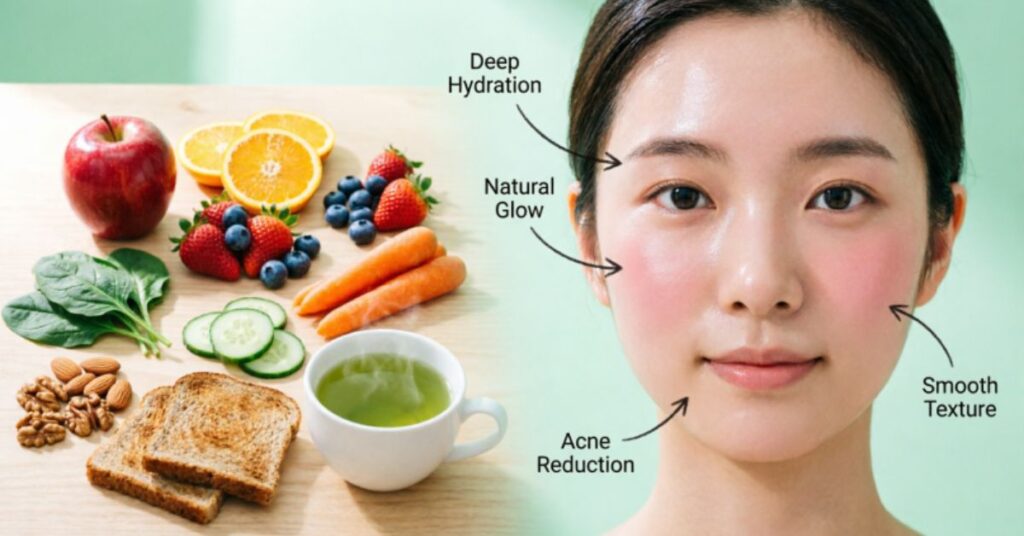

Can What You Eat Affect Your Acne? How to Track Food Triggers for Healthier Skin

October 27th, 2026

Acne can be frustrating, especially when breakouts continue despite a consistent skincare routine. While hormones, genetics, stress, and skincare products all play a role in skin health, your diet may also influence how your skin responds. Understanding the connection between food and acne can help you identify possible triggers, make informed choices, and develop healthier daily habits. The goal is not to follow a restrictive diet or blame yourself for breakouts. Instead, it is to learn what works for your body and support your skin with a balanced, sustainable approach.

How Your Diet May Affect Acne

Acne develops when hair follicles become clogged with oil and dead skin cells. Inflammation and bacteria can contribute to the development of pimples, blackheads, and deeper blemishes. Although food is not the sole cause of acne, research suggests that certain dietary patterns may influence symptoms in some people.

High-Glycemic Foods and Blood Sugar

Foods that raise blood sugar quickly, including sugary drinks, candy, pastries, and some highly refined carbohydrates, may affect hormones involved in oil production and inflammation. For some individuals, eating these foods frequently may be associated with more noticeable acne.

You do not necessarily need to eliminate carbohydrates. Instead, consider choosing more whole grains, vegetables, beans, and other fiber-rich foods. These options can support steadier energy levels and contribute to an overall balanced diet.

Dairy Products and Skin Health

Some studies have found an association between certain dairy products, particularly cow’s milk, and acne. However, the evidence is not conclusive, and dairy does not trigger breakouts in everyone.

If you suspect a connection, record your dairy intake and skin changes before making significant dietary adjustments. If you choose to reduce dairy, make sure you still get adequate calcium, protein, and vitamin D from suitable foods or fortified alternatives.

Overall Eating Patterns Matter

A varied diet that includes fruits, vegetables, whole grains, healthy fats, and protein supports general health. Although no single food guarantees clear skin, a balanced eating pattern provides nutrients your body needs to maintain normal skin function.

It is also important to remember that acne can persist even when you eat well. Genetics, hormonal changes, medications, stress, and other factors can influence breakouts. Healthy eating can be part of a skincare plan, but it is not a guaranteed treatment.

How to Track Food Triggers for Acne

If you frequently experience breakouts and suspect your diet may be contributing, keeping a simple food and skin diary can help you notice patterns. Rather than changing everything at once, collect information consistently and give yourself time to understand what it may mean.

1. Record What You Eat and Drink

For two to four weeks, write down your meals, snacks, and beverages. Include details such as sugary drinks, dairy products, refined carbohydrates, and other foods you think might be relevant.

You do not need to count every calorie or weigh every portion. A brief description of your meals is usually enough to help you recognize recurring patterns.

For example, you might record what you ate at breakfast, whether you had a sweetened drink in the afternoon, and what you noticed about your skin later that day or during the following days.

2. Monitor Your Skin Consistently

Record your skin condition alongside your food intake. Note new breakouts, redness, oiliness, irritation, and where blemishes appear. Taking a photograph once or twice a week under similar lighting can also help you compare changes over time.

Remember that acne does not always appear immediately after eating a particular food. A breakout on one day does not prove that a meal from the previous day caused it. Look for repeated patterns rather than drawing conclusions from isolated experiences.

3. Include Stress, Sleep, and Skincare Habits

Food is only one part of the picture. Stress, sleep quality, hormonal changes, exercise, medications, and skincare products may also affect your skin.

Add a few notes about these factors to your diary. For example, you may notice that breakouts become more frequent during stressful weeks or after several nights of poor sleep.

This broader approach helps you avoid blaming a single food when several factors could be involved.

4. Make One Change at a Time

Once you have identified a possible pattern, consider making one manageable change rather than overhauling your entire diet. If you suspect a particular food is associated with breakouts, discuss a reasonable trial period with a healthcare professional or registered dietitian.

Continue monitoring your skin and other habits during the trial. Changing several foods simultaneously makes it harder to identify which change, if any, made a difference.

Avoid severe elimination diets, skipping meals, or cutting out entire food groups without appropriate guidance. These approaches can make eating unnecessarily stressful and may leave you short of important nutrients.

Building a Balanced Diet for Healthier Skin

Tracking food triggers is most useful when it supports a positive relationship with food. You do not need a perfect diet to care for your skin. Consistent, realistic habits are often more sustainable than strict rules.

Choose Nutrient-Rich Foods

Try to include a variety of foods throughout the day, such as:

  • Fruits and vegetables: These provide vitamins, minerals, and other nutrients that support normal body functions.
  • Whole grains: Oats, brown rice, and whole-grain bread provide fiber and can be part of balanced meals.
  • Protein sources: Eggs, fish, beans, lentils, tofu, and poultry help meet your body’s protein needs.
  • Healthy fats: Nuts, seeds, olive oil, and oily fish provide fats that support overall health.
  • Water and other suitable beverages: Staying hydrated supports normal bodily functions, although drinking extra water alone will not cure acne.

You can start with small adjustments, such as adding vegetables to lunch, choosing a filling breakfast, or replacing some sugary drinks with water. These practical steps are easier to maintain than trying to change everything overnight.

Avoid Turning Food Tracking Into Food Fear

It is easy to become anxious when you are trying to understand persistent acne. However, worrying about every ingredient or feeling guilty after eating certain foods can make daily life more difficult.

Food tracking should be a tool for learning, not a source of punishment. If your notes do not reveal a consistent pattern, that is useful information too. It may suggest that other causes deserve more attention.

If food choices begin to create significant anxiety, interfere with social activities, or lead to restrictive eating, consider speaking with a qualified healthcare professional or registered dietitian.

When Should You Seek Professional Help for Acne?

Dietary adjustments can complement skincare, but they should not replace appropriate medical care. A dermatologist can assess your symptoms, identify possible contributing factors, and recommend treatments suited to your skin.

Consider arranging an appointment if your acne is persistent, painful, worsening, or leaving scars. Professional advice is especially important if breakouts affect your confidence or emotional well-being.

It is also worth discussing acne with a healthcare professional if you notice other symptoms, such as irregular menstrual periods or sudden, severe breakouts. These changes may warrant further evaluation.

Skin health can also affect how you feel about yourself. Ongoing acne may contribute to stress, embarrassment, or social withdrawal. If these feelings become difficult to manage, talking with a mental health professional can help you build coping strategies and protect your overall well-being.

A personalized approach considers more than the appearance of your skin. It recognizes that physical health, emotional health, daily routines, and individual circumstances can influence how you feel and function.

Conclusion: Take a Practical Approach to Food and Skin Health

Can what you eat affect your acne? For some people, certain dietary patterns may contribute to breakouts, but the relationship varies from person to person. Keeping a food and skin diary, monitoring stress and sleep, and making gradual changes can help you identify possible triggers without unnecessary restrictions.

Start with a few simple steps: record your meals, observe your skin over time, and focus on balanced nutrition. If acne continues or begins affecting your quality of life, seek guidance from a dermatologist or another qualified healthcare professional.

Healthy skin is not about achieving a perfect diet. It is about understanding your needs, making informed choices, and finding an approach you can maintain. With patience and the right support, you can take meaningful steps toward better skin health and greater confidence.

Could Your Daily Menu Be Affecting Your Acne? A Practical Guide to Tracking Skin Triggers

October 20th, 2026

Acne can be frustrating, especially when breakouts continue despite a consistent skincare routine. While hormones, genetics, stress, and skincare products all play a role, your daily diet may also influence your skin. Certain foods and drinks may contribute to breakouts in some people, while balanced nutrition can support overall skin health. By tracking what you eat, how much water you drink, and when breakouts occur, you can start identifying patterns and make informed choices that support clearer, healthier skin.

The goal is not to create a restrictive diet or blame yourself for acne. Instead, it is to understand your body’s individual responses and develop sustainable habits that complement an effective skincare routine.

How Your Daily Diet May Affect Acne

Acne develops when hair follicles become clogged with oil and dead skin cells. Inflammation and changes in hormone activity can also contribute to pimples, blackheads, and deeper blemishes. Although food is not the sole cause of acne, research suggests that some dietary patterns may influence its severity.

Understanding these connections can help you decide what to monitor in your daily routine.

High Glycemic Foods and Blood Sugar

Foods that cause blood sugar to rise quickly may affect hormones involved in oil production. Examples include sugary drinks, candy, white bread, and some highly processed breakfast cereals.

Some studies have linked high glycemic diets with increased acne severity. However, individual responses vary, and eating one sweet food does not automatically cause a breakout.

Instead of eliminating carbohydrates, consider choosing more whole grains, beans, vegetables, and other fiber-rich foods. These options can support steadier blood sugar levels and provide nutrients your body needs.

Dairy Products and Acne

Research has found an association between certain dairy products, particularly cow’s milk, and acne in some populations. However, the relationship is not fully understood, and dairy does not affect everyone in the same way.

If you regularly consume milk, yogurt, cheese, or dairy-based drinks, record your intake and monitor any changes in your skin. Do not assume dairy is the cause of your breakouts without looking at the broader picture.

If you decide to reduce dairy, choose suitable alternatives that provide important nutrients such as calcium, vitamin D, and protein.

Hydration and Skin Health

Drinking enough water supports normal body functions and helps prevent dehydration. Although drinking extra water is not a proven acne treatment, maintaining adequate hydration is an important part of general wellness.

Pay attention to how much water you drink throughout the day. Also, record your intake of sweetened beverages, energy drinks, and other drinks that may contribute substantial amounts of added sugar.

Small, consistent changes can make healthy hydration easier to maintain.

How to Track Food Triggers Without Overcomplicating Your Routine

Keeping a food and skin journal is a practical way to understand your habits. Rather than relying on memory, you can record information and look for patterns over time.

The most useful journal is one that feels manageable and does not create unnecessary stress around eating.

Step 1: Record Your Daily Food and Drink Intake

For one to two weeks, write down what you eat and drink each day. Include meals, snacks, beverages, and approximate portion sizes when practical.

You do not need to count every calorie. Your purpose is to recognize patterns, not to judge your eating habits.

Record details such as:

  • Breakfast, lunch, dinner, and snacks.
  • Sugary drinks, coffee, tea, and water.
  • Dairy products and highly processed foods.
  • Fruits, vegetables, whole grains, and protein sources.
  • Any noticeable changes in your eating schedule.

Be honest and consistent. Even a few brief notes each day can provide useful information.

Step 2: Monitor Breakouts and Skin Changes

Alongside your food log, record the condition of your skin. Note where breakouts appear, how severe they seem, and whether your skin feels unusually oily, dry, or irritated.

You can also take photographs once or twice a week under similar lighting conditions. This makes it easier to compare changes without checking your skin repeatedly throughout the day.

Remember that acne can take time to develop. A blemish that appears today may be influenced by several factors from previous days or weeks. Therefore, avoid assuming that the last food you ate caused the breakout.

Step 3: Include Stress, Sleep, and Skincare Habits

Your diet is only one part of the picture. Stress, sleep quality, hormonal changes, medications, and skincare products can also affect acne.

Add a few notes about these factors to your journal.

For example, you might record whether you slept poorly, experienced a stressful day, started a new skincare product, or noticed a change around your menstrual cycle.

This broader approach helps you avoid attributing every breakout to food when another factor may be involved.

Step 4: Look for Patterns Over Several Weeks

After collecting your notes, review them for repeated associations. Do certain dietary habits consistently coincide with worsening acne? Does your skin appear more stable when you eat regular, balanced meals?

Look for trends rather than isolated incidents.

If you notice a possible trigger, consider changing one variable at a time while keeping the rest of your routine relatively consistent. This makes it easier to evaluate whether the change appears helpful.

Keep in mind that a food journal can suggest associations, but it cannot prove that a particular food causes acne. If you need guidance, a dermatologist or registered dietitian can help you interpret your observations.

Build a Balanced Diet That Supports Healthy Skin

Tracking potential triggers is only one part of an effective skin health plan. It is equally important to focus on the foods that provide essential nutrients and support your overall well-being.

Choose Nutrient-Rich Foods

A balanced eating pattern provides vitamins, minerals, protein, healthy fats, and fiber. These nutrients support normal skin function and the body’s natural repair processes.

Consider including the following foods regularly:

  • Colorful fruits and vegetables: Berries, oranges, leafy greens, carrots, and bell peppers provide vitamins and other beneficial compounds.
  • Whole grains: Oats, brown rice, and whole grain bread provide fiber and energy.
  • Healthy fats: Nuts, seeds, olive oil, and fatty fish supply fats that support normal body functions.
  • Protein-rich foods: Eggs, beans, lentils, fish, poultry, tofu, and other protein sources help maintain and repair body tissues.
  • Fiber-rich plant foods: Beans, vegetables, fruits, and whole grains support digestive health.

No single food guarantees clear skin. Instead, aim for variety and consistency.

Avoid Unnecessary Food Restrictions

It can be tempting to eliminate several food groups when acne becomes difficult to manage. However, restrictive eating may make it harder to obtain essential nutrients and can create additional stress.

You do not need to give up every sweet food, dairy product, or favorite snack to support your skin. Start by understanding your current habits and making realistic adjustments.

If you suspect a food intolerance or a dietary trigger, seek professional advice before making major changes. This is particularly important if you have existing nutritional concerns or a history of disordered eating.

Why a Holistic Approach to Skin Health Matters

Healthy skin is influenced by more than food. A thoughtful routine considers physical health, emotional well-being, sleep, stress management, and appropriate skincare.

Stress, for example, may worsen acne in some people. Meanwhile, persistent breakouts can affect confidence and contribute to feelings of frustration or embarrassment. These experiences deserve understanding rather than criticism.

A balanced approach may include maintaining a regular sleep schedule, practicing relaxation techniques, cleansing gently, using noncomedogenic skincare products, and avoiding the temptation to pick at blemishes.

It is also important to remember that acne is a common skin condition, not a sign that you have failed to take care of yourself. Even people with healthy diets and consistent skincare routines can experience breakouts.

For this reason, nutrition should complement appropriate acne treatment rather than replace it.

When to Seek Professional Help for Acne

If acne persists despite your efforts, a dermatologist can help identify suitable treatments based on your skin type and the severity of your symptoms. Effective options may include topical medications, oral medications, or other individualized treatments.

Seek professional guidance if you experience painful nodules, developing scars, persistent inflammation, or acne that significantly affects your confidence and emotional well-being.

A healthcare professional can also help you assess whether dietary changes are worthwhile and ensure that your approach remains nutritionally balanced.

Conclusion: Take a Thoughtful Approach to Your Skin Health

Your daily menu may influence acne, but the relationship between food and skin is personal and complex. By tracking meals, drinks, breakouts, sleep, stress, and skincare habits, you can gain a clearer understanding of your own patterns.

Start with a simple journal, focus on balanced nutrition, stay adequately hydrated, and make changes gradually. Most importantly, avoid blaming yourself for breakouts or expecting a perfect diet to solve every skin concern.

If acne continues to affect your skin or confidence, consider reaching out to a qualified dermatologist or healthcare professional. With informed guidance, consistent care, and realistic expectations, you can build a skin health routine that supports both your physical well-being and your peace of mind.

Your Skin Keeps Score: How Daily Food and Drink Choices Shape Acne and Overall Wellness

October 14th, 2026

Your skin can tell you something about your overall health, but understanding what it is telling you requires looking beyond the mirror. The foods you eat, the drinks you choose, and the habits you practice every day influence your body’s ability to maintain healthy skin and repair damaged tissue. Although nutrition cannot guarantee an acne free complexion, certain eating patterns may affect inflammation, blood sugar regulation, and other processes associated with breakouts. By becoming more aware of your daily intake, you can make practical choices that support acne management and improve your overall wellness.

This approach is also relevant to individuals navigating addiction recovery, mental health challenges, or major lifestyle changes. Healing often involves rebuilding healthy routines, restoring physical well being, and learning to care for yourself consistently. Nutrition can become a meaningful part of that journey, helping you support your body while working toward long term wellness.

How Daily Food Choices Can Influence Acne

Acne develops through a combination of factors, including genetics, hormones, excess oil production, inflammation, stress, medications, and skincare habits. Diet is only one part of this picture, but research suggests that certain eating patterns may influence acne for some people.

A systematic review published in JAAD International found an association between higher glycemic diets and acne development or severity. The evidence concerning dairy was less consistent and appeared to vary among populations. More research is needed to understand exactly how individual foods affect acne. The American Academy of Dermatology also discusses these findings and their limitations.

The takeaway is straightforward. Your food choices deserve attention, but you do not need to blame every breakout on something you ate.

Look at Your Overall Eating Pattern

Instead of searching for a single food to eliminate, consider your habits over several weeks.

Ask yourself whether you regularly eat balanced meals, include fruits and vegetables, drink enough water, and rely heavily on sugary beverages or highly processed snacks.

Looking at the bigger picture helps you identify realistic opportunities to improve your diet without creating unnecessary restrictions.

Foods That Support Healthy Skin

Your body needs a steady supply of essential nutrients to maintain normal skin function. A varied diet can help provide the vitamins, minerals, protein, healthy fats, and fiber needed for overall health.

1. Colorful Fruits and Vegetables

Fruits and vegetables provide antioxidants, vitamins, and minerals that support normal cell function and tissue maintenance.

Consider including:

  • Berries and citrus fruits
  • Spinach and other leafy greens
  • Broccoli and bell peppers
  • Carrots and sweet potatoes
  • Tomatoes and other seasonal produce

You do not need expensive superfoods to benefit from better nutrition. Ordinary foods that are easy to find and affordable can be valuable additions to everyday meals.

2. Protein for Repair and Maintenance

Protein provides amino acids that your body uses to maintain and repair tissues, including your skin.

Good sources include eggs, fish, poultry, beans, lentils, tofu, and other protein rich foods that fit your preferences and nutritional needs.

Including protein in regular meals can also help you feel satisfied and maintain a more consistent eating routine.

3. Healthy Fats for Skin Barrier Support

Dietary fats are essential for overall health. Foods such as avocados, walnuts, chia seeds, flaxseeds, olive oil, and fatty fish provide beneficial fats that can form part of a balanced diet.

Rather than avoiding fat because you are concerned about acne, focus on variety and overall nutritional quality.

4. Fiber Rich Foods for Digestive Health

Fiber supports normal digestion and helps maintain regular bowel function. Fruits, vegetables, whole grains, beans, lentils, nuts, and seeds are useful sources.

Digestive health is one part of overall wellness, although eating fiber does not guarantee clearer skin. A balanced diet is a better foundation than relying on a single nutrient to solve acne.

Drinks That Deserve Your Attention

What you drink matters as well. Beverages can contribute to hydration, added sugar intake, and your overall nutritional habits.

Make Water Your Everyday Choice

Water supports circulation, temperature regulation, digestion, and other essential bodily functions. Drinking enough water is important for general health, but it should not be presented as a cure for acne.

Keep a reusable bottle nearby, drink water with meals, and make hydration part of your daily routine.

Be Mindful of Sugary Beverages

Soft drinks, sweetened teas, energy drinks, and heavily sweetened coffee beverages can add considerable amounts of sugar to your diet.

If these drinks are a regular part of your routine, try replacing one serving with water or an unsweetened alternative. Gradual changes are often easier to maintain than sudden, restrictive rules.

What About Sugar, Dairy, and Processed Foods?

Certain dietary habits are worth monitoring because they may affect acne or overall nutrition.

Added Sugar and Refined Carbohydrates

Highly refined carbohydrates and foods high in added sugar can raise blood glucose quickly. Research suggests that a higher glycemic eating pattern may contribute to acne in some people.

Try choosing whole grains, beans, vegetables, and other fiber rich foods more often. Combining carbohydrates with protein and healthy fats can also help make meals more balanced.

Dairy Products

Some studies have found associations between cow’s milk consumption and acne, but the evidence is not conclusive for every person. You do not automatically need to remove milk, yogurt, or cheese from your diet.

If you notice a repeated pattern between a particular food and your breakouts, consider keeping a food journal and discussing your observations with a qualified healthcare professional or registered dietitian.

Highly Processed Foods

Fast food and packaged snacks are not automatically harmful, and eating them occasionally does not undo healthy habits. However, relying on them frequently can make it harder to obtain a varied range of nutrients.

Focus on what you eat most often instead of judging individual meals.

Track Your Food Choices and Skin Changes

Keeping a simple record of your daily intake can help you understand your habits more clearly.

Start a Food and Skin Journal

For two to four weeks, write down your meals, snacks, beverages, and approximate water intake. Include notes about your skin, sleep, stress, and any changes to skincare products.

Look for recurring patterns rather than assuming that one meal caused a breakout.

Use Your Observations Carefully

Acne does not always appear immediately after a possible trigger. Hormones, stress, medications, and other factors can influence breakouts over time.

Your journal can help guide a conversation with a dermatologist or another qualified professional. Avoid eliminating multiple food groups without a clear reason, especially if those changes could compromise your nutrition.

The Connection Between Nutrition, Mental Health, and Recovery

Daily eating habits influence more than skin health. They also play a role in maintaining energy, supporting general physical health, and establishing predictable routines.

For individuals navigating addiction recovery, regular meals and adequate nutrition can become valuable parts of rebuilding everyday life. Substance use and ongoing stress may disrupt appetite, sleep, and eating patterns. Developing a consistent routine can help restore structure while supporting physical recovery.

Nutrition is not a replacement for addiction treatment or mental health care. Instead, it can complement professional support.

Healthy Routines Can Support Recovery

Planning meals, preparing simple snacks, staying hydrated, and eating regularly can become practical forms of self care. These habits may complement counseling, medical treatment, peer support, and other recovery resources.

Inpatient care can provide a structured environment for individuals who need intensive support. Outpatient treatment can allow people to receive professional care while maintaining suitable work, family, or school responsibilities. The appropriate level of care depends on each person’s circumstances and clinical needs.

Take a Whole Person Approach

Holistic care recognizes that physical health, emotional well being, personal values, and daily habits are interconnected.

For some individuals, faith based support may be meaningful during recovery. Others may prioritize counseling, medical care, nutrition guidance, or behavioral strategies. Individualized care respects these differences and helps people work toward goals that suit their needs.

Healthy eating can be one component of that broader process.

Practical Habits to Start Today

Improving your diet does not require an expensive meal plan or a complete lifestyle overhaul.

Start with a few manageable changes:

  1. Add a serving of vegetables or fruit to a meal each day.
  2. Drink water regularly and reduce frequent sugary drinks.
  3. Include protein in your meals.
  4. Choose whole grains and fiber rich foods more often.
  5. Keep a simple record of your food choices and skin changes.
  6. Maintain regular sleep and meal routines whenever possible.

Choose changes that fit your daily life. Sustainable habits are more useful than a restrictive plan you cannot maintain.

When Professional Help Makes a Difference

Even with thoughtful nutrition habits, acne can persist. That does not mean you are doing something wrong.

Persistent, painful, or severe acne may require professional evaluation and treatment. Appropriate skincare, prescription medication when indicated, and individualized dermatological guidance can be important for controlling breakouts and reducing the risk of scarring.

Similarly, people experiencing addiction or mental health challenges deserve compassionate, professional care that addresses their individual circumstances. Nutrition can support that care, but it should never be expected to solve every physical or emotional concern.

Conclusion: Small Daily Choices Can Support Lasting Wellness

Your skin keeps score of many influences, not just the food you eat. Genetics, hormones, stress, skincare habits, medications, sleep, and nutrition all contribute to the bigger picture. By monitoring your daily food and drink choices, you can better understand your habits and identify reasonable changes that support your skin and general health.

Start with balanced meals, adequate hydration, and a varied diet. Pay attention to patterns without becoming overly restrictive, and seek professional guidance when acne persists or dietary changes become difficult to manage.

If acne is affecting your confidence, or if you are working through addiction recovery or mental health challenges, reaching out for individualized support can be an important next step. A compassionate approach that considers physical health, emotional wellness, and sustainable lifestyle habits can help you build a stronger foundation for long term well being.

You do not have to change everything at once. One balanced meal, one healthier routine, and one thoughtful decision at a time can help you move toward a healthier relationship with your body and your overall wellness.

Look Beyond Your Skincare Routine: How Food and Hydration Affect Acne-Prone Skin

October 8th, 2026

When acne keeps returning despite a carefully chosen skincare routine, it is natural to wonder what else may be affecting your skin. Cleansers, moisturizers, prescription treatments, and other professional options can all play an important role, but skin health is also connected to what happens inside your body. Your everyday food choices and hydration habits provide the nutrients and fluids your body needs to support normal skin function. For some people, dietary patterns may also influence factors associated with acne, including blood sugar regulation and inflammation. Looking beyond your skincare routine can therefore help you build a more complete approach to healthier skin and overall wellness.

This broader perspective can be especially meaningful for people navigating addiction recovery or mental health challenges. Recovery involves learning how to care for the whole person, not simply addressing one visible symptom. Establishing regular meals, choosing nourishing foods, drinking enough water, and developing healthy routines can support physical wellness while complementing professional treatment.

Why Your Diet Deserves a Place in Your Skin Care Plan

Acne has many possible causes. Hormonal changes, genetics, oil production, inflammation, stress, certain medications, and skincare habits can all contribute to breakouts. Diet is only one factor, but research has found associations between acne and certain eating patterns.

In particular, higher glycemic diets have been linked with acne development and severity in multiple studies, although the overall effect appears modest and individual responses differ. Research into dairy has produced mixed results, so it is not appropriate to assume that dairy causes acne for everyone.

The practical takeaway is simple: nutrition is worth considering, but it should be viewed as part of a larger acne management plan.

Look at the Big Picture

Instead of asking, “Which food is causing my acne?” start with broader questions:

  • Are my meals balanced?
  • Do I eat regularly?
  • How often do sugary foods and drinks appear in my routine?
  • Am I eating enough fruits and vegetables?
  • Do I drink enough water?
  • How do sleep and stress affect my skin?

These questions shift the focus away from blame and toward useful habits.

Foods That Can Support Healthy Skin

A skin friendly diet is not about finding one magical ingredient. It is about regularly providing your body with a wide range of nutrients.

Fill Your Plate With Colorful Produce

Fruits and vegetables provide vitamins, minerals, fiber, and other compounds that support normal body function.

Try including:

  • Berries
  • Leafy greens
  • Broccoli
  • Carrots
  • Bell peppers
  • Sweet potatoes
  • Tomatoes
  • Oranges
  • Apples

A varied diet is more valuable than focusing intensely on one so called superfood. Different fruits and vegetables offer different nutritional benefits.

Include Protein With Your Meals

Protein provides amino acids that your body uses to maintain and repair tissues. Fish, eggs, poultry, beans, lentils, tofu, yogurt, and other protein rich foods can all fit into a balanced eating pattern.

Protein can also help meals feel more satisfying, which may support more consistent eating habits.

Choose Healthy Sources of Fat

Healthy fats are part of balanced nutrition and can be found in foods such as avocados, olive oil, walnuts, chia seeds, flaxseeds, salmon, and sardines.

Rather than trying to eliminate dietary fat, focus on the quality and variety of your overall diet.

Watch Highly Sweetened Foods and Drinks

One of the most useful dietary habits for acne prone skin is becoming more aware of added sugar and highly refined carbohydrates.

Research has found that high glycemic dietary patterns may be associated with more acne in some people. Foods and beverages that raise blood glucose quickly can affect insulin and other metabolic signals involved in processes related to acne.

Make Gradual Substitutions

You do not need to give up every sweet food.

Instead, try:

  • Water instead of soda more often
  • Whole fruit instead of candy for some snacks
  • Oatmeal instead of a highly sweetened breakfast pastry
  • Whole grains instead of refined grains when practical
  • Balanced meals instead of relying on sweets for quick energy

Small changes are usually easier to maintain than severe restrictions.

Avoid All or Nothing Thinking

One dessert will not determine the health of your skin. Likewise, one fast food mea

Smart Eating for Clearer Skin: Simple Ways to Improve Your Nutrition Habits

September 29th, 2026

Clearer skin does not come from skincare products alone. What you eat each day can also influence your overall skin health by providing nutrients needed for normal repair, supporting the body’s inflammatory response, and helping maintain healthy energy and digestion. Nutrition is not a cure for acne, and no single food can guarantee a clear complexion. However, building smarter eating habits can complement appropriate acne care and support a healthier body from the inside out.

This whole person perspective can be especially useful for individuals working through addiction recovery, mental health challenges, or major lifestyle changes. Recovery often includes rebuilding routines, restoring physical health, and learning practical ways to care for yourself. Developing balanced nutrition habits can support those goals while giving your skin a stronger foundation for wellness.

Why Nutrition Matters for Clearer Skin

Acne is influenced by many factors, including genetics, hormones, excess oil production, inflammation, stress, medications, and skincare habits. Diet is only one part of the picture, but certain eating patterns have been studied for their possible relationship with acne.

A diet built around nutrient rich foods provides vitamins, minerals, protein, healthy fats, and fiber that support normal body function. In contrast, frequently relying on highly processed foods and added sugars may make it harder to maintain a balanced diet.

The most useful approach is not to search for a miracle food. Instead, build eating habits that are realistic and sustainable.

Think About Patterns Instead of Individual Foods

One meal rarely explains a breakout. Skin can change because of several factors at once.

For this reason, consider your overall eating pattern. Think about how often you eat fruits and vegetables, whether you get enough protein, how much water you drink, and how frequently sugary beverages or highly processed snacks appear in your routine.

This approach can help you make informed changes without creating unnecessary fear around food.

Build a Balanced Plate

One of the easiest ways to improve your nutrition habits is to create more balanced meals.

Add Colorful Fruits and Vegetables

Fruits and vegetables provide antioxidants, vitamins, minerals, and fiber. They can support overall health while providing nutrients involved in normal skin maintenance.

Try adding:

  • Berries
  • Spinach
  • Kale
  • Broccoli
  • Carrots
  • Bell peppers
  • Sweet potatoes
  • Tomatoes
  • Oranges

You do not need to eat a complicated menu. Simply adding more variety throughout the week can improve the nutritional quality of your meals.

Include Protein With Meals

Protein supplies amino acids that your body uses to maintain and repair tissues. Fish, eggs, poultry, beans, lentils, tofu, and other protein sources can help create more balanced meals.

Protein may also help meals feel more satisfying, which can make it easier to maintain consistent eating habits.

Choose Healthy Fats

Healthy fats are an important part of balanced nutrition. Avocados, olive oil, walnuts, chia seeds, flaxseeds, salmon, and sardines provide useful nutrients and can be included in many everyday meals.

There is no need to avoid dietary fat simply because you are concerned about acne. Focus instead on overall diet quality and appropriate portions.

Be Mindful of Added Sugar

Sugar deserves attention because high glycemic eating patterns have been studied in connection with acne. Rapid changes in blood glucose and insulin may influence biological processes involved in oil production and inflammation.

This does not mean you need to eliminate every sweet food.

Make Simple Food Swaps

Small substitutions can gradually improve your diet without making meals feel restrictive.

For example, try:

  • Fruit instead of candy for some snacks
  • Water instead of soda more often
  • Whole grains instead of refined grains when practical
  • Nuts or yogurt instead of highly processed snack foods
  • Balanced meals instead of relying on sweets for quick energy

These choices are easier to sustain when they fit naturally into your lifestyle.

Avoid All or Nothing Thinking

A healthy diet does not require perfection. Enjoying a dessert or eating convenience food occasionally does not erase your progress.

Instead, look at the habits you repeat most often. Consistency is more important than trying to eat perfectly every day.

Hydration Is Part of Skin Wellness

Your body needs water for many essential processes, including circulation, digestion, temperature regulation, and normal cellular function.

Make Water Convenient

Keep water nearby during work, exercise, treatment, or everyday activities. Drinking water with meals can also help make hydration part of your normal routine.

Unsweetened tea can provide variety. At the same time, reducing frequent consumption of heavily sweetened beverages can lower added sugar intake.

Support Your Digestive Health

Your digestive system helps break down food and absorb nutrients. It also interacts with the immune system, making digestive health an important part of overall wellness.

Choose Fiber Rich Foods

Fiber comes from fruits, vegetables, beans, lentils, whole grains, nuts, and seeds. A varied diet that includes these foods can support normal digestive function.

Fermented foods such as yogurt with live cultures, kefir, kimchi, and sauerkraut can also fit into a balanced eating pattern.

The gut skin relationship is an active area of research, so be cautious about claims that a particular supplement or restrictive diet will automatically clear acne.

Track What You Eat and How You Feel

If you think your diet may be affecting your skin, tracking your habits can help you identify patterns.

Keep a Simple Journal

For several weeks, record:

  • Meals and snacks
  • Beverages
  • Water intake
  • Breakouts
  • Redness or irritation
  • Sleep quality
  • Stress
  • Changes in skincare products

This broader approach is useful because acne does not have a single cause.

Use the Information Carefully

If you notice that a certain pattern repeatedly coincides with changes in your skin, bring your observations to a qualified healthcare professional. Avoid removing major food groups without a clear reason or appropriate guidance.

A balanced nutrition plan should provide adequate calories and essential nutrients.

Nutrition and Addiction Recovery

Smart eating habits can have benefits well beyond skin health. During addiction recovery, establishing regular meals can help rebuild structure and support physical wellness.

Substance use can disrupt appetite, sleep, energy, and normal eating routines. Recovery often involves learning healthier ways to meet physical needs and care for the body.

Food Can Support a Stronger Routine

Planning meals, preparing food, drinking water, and eating consistently can become practical forms of self care. These habits can complement counseling, medical care, peer support, spiritual practices, and other recovery services.

Inpatient treatment can provide structure for people who need intensive support, while outpatient care may allow greater flexibility for those who can continue treatment while managing responsibilities at home, work, or school.

The appropriate level of treatment depends on individual needs. That same principle applies to nutrition.

Mental Health and Healthy Eating Habits

Food choices can also fit into a broader mental health and

From Meals to Microbiome: How Your Daily Intake Can Influence Acne and Skin Wellness

September 24th, 2026

Healthy skin is influenced by much more than the products you apply to your face. Your daily meals and beverages provide the nutrients your body uses for repair, immune function, energy, and normal skin maintenance. At the same time, your digestive system plays an important role in nutrient absorption and interacts with the body’s immune and inflammatory systems. This connection between what you consume, your gut, and your skin is worth understanding, especially when you are trying to manage acne while also caring for your overall wellness.

For people navigating addiction recovery, mental health challenges, or major lifestyle changes, nutrition can become an especially important part of self care. Recovery often involves rebuilding routines and restoring physical health. Making thoughtful food choices can support those efforts while giving your skin the nourishment it needs.

Understanding the Food, Gut, and Skin Connection

Acne is a complex condition with many contributing factors. Hormones, genetics, oil production, inflammation, stress, medications, and skincare habits can all influence the development and persistence of breakouts. Diet is only one part of the picture, but research has examined possible relationships between dietary patterns and acne.

The gut also deserves attention. Researchers are studying the gut skin axis, which describes communication between the digestive system, immune system, and skin. Current evidence suggests that the gut microbiome may influence inflammatory and immune processes associated with skin health, although many questions remain about exactly how strong these relationships are and how they should guide treatment.

Why This Matters for Acne Management

Understanding these connections does not mean you need to follow a complicated diet or eliminate numerous foods. Instead, it encourages you to look at your overall nutrition and lifestyle.

A balanced approach can help you:

  • Provide essential nutrients for skin maintenance
  • Support normal digestive function
  • Maintain consistent energy levels
  • Build healthier daily routines
  • Become more aware of possible personal food triggers

The goal is informed self care, not food anxiety.

Build Meals That Support Skin Wellness

The simplest place to start is your plate. A balanced meal can provide protein, healthy fats, fiber, vitamins, minerals, and carbohydrates that fuel the body.

Fill Up on Colorful Produce

Vegetables and fruits provide a wide variety of nutrients and antioxidants. Leafy greens, berries, carrots, peppers, broccoli, tomatoes, and citrus fruits are easy additions to many meals.

Rather than focusing on one “perfect” food, aim for variety. Different foods provide different nutrients, and a diverse diet is generally more useful than relying on a small list of so called superfoods.

Include Quality Protein

Protein provides amino acids that the body uses to maintain and repair tissues. Fish, eggs, poultry, beans, lentils, tofu, and other protein rich foods can fit into a balanced eating pattern.

Protein can also help meals feel more satisfying, which may make regular eating easier during busy or stressful periods.

Choose Beneficial Fats

Healthy fats are another important part of a balanced diet. Avocados, olive oil, walnuts, chia seeds, flaxseeds, and fatty fish provide useful nutrients while adding flavor and variety to meals.

The focus should be on overall dietary quality rather than avoiding fat altogether.

Pay Attention to Blood Sugar and Added Sugar

One dietary factor that has received attention in acne research is glycemic load. A systematic review found that higher glycemic index and glycemic load intake were associated with acne development and severity, although the effect was described as modest. The American Academy of Dermatology also notes that small studies suggest a low glycemic diet may reduce acne in some people.

Make Practical Substitutions

You do not need to completely eliminate carbohydrates or sweets. Instead, look for simple ways to improve your overall eating pattern.

For example:

  • Choose whole grains more often
  • Add vegetables and beans to meals
  • Pair carbohydrates with protein or healthy fats
  • Choose whole fruit more often
  • Make water your primary beverage
  • Reduce frequent consumption of highly sweetened drinks

These changes support balanced nutrition without turning eating into a rigid set of rules.

Pay Attention to Your Digestive Health

Your digestive system is responsible for breaking down food and helping your body absorb nutrients. It also interacts with the immune system, making digestive health relevant to overall wellness.

Add More Fiber Rich Foods

Fiber can be found in fruits, vegetables, beans, lentils, whole grains, nuts, and seeds. Eating a varied selection of these foods supports a nutritious diet and normal digestive function.

Increase fiber gradually if your current intake is low, and drink enough fluid throughout the day.

Include Fermented Foods When Appropriate

Foods such as yogurt with live cultures, kefir, kimchi, and sauerkraut can be part of a varied diet. Researchers are investigating whether probiotics and other microbiome focused approaches can play a useful role in skin health, but clinical evidence remains limited and more research is needed before these approaches can be considered a replacement for standard acne treatment.

Monitor Your Personal Response to Food

There is no universal acne diet. People can respond differently to the same food, and acne can change because of many factors at once.

Tracking your intake can help you notice possible patterns without making assumptions.

Keep a Simple Food and Skin Journal

For several weeks, record:

  • Meals and snacks
  • Beverages
  • Water intake
  • Breakouts
  • Redness or irritation
  • Sleep quality
  • Stress levels
  • Skincare changes

You are not looking for proof that one food caused one breakout. Instead, look for recurring patterns that may be worth discussing with a healthcare professional.

Be Careful With Elimination Diets

Removing dairy, grains, gluten, or other major food groups without a clear reason can make balanced nutrition more difficult. If you suspect a dietary trigger, professional guidance can help you evaluate the situation without unnecessary restriction.

Nutrition and Addiction Recovery

Food choices can take on added importance during addiction recovery. Substance use, stress, disrupted routines, and changes in appetite can all make regular nutrition challenging.

Rebuilding a consistent eating routine can support physical recovery while creating structure in daily life. Regular meals can also make it easier to maintain energy throughout the day and reduce the tendency to rely on whatever food is most convenient in a difficult moment.

Healthy Routines Reinforce Self Care

Preparing meals, drinking enough water, and paying attention to your nutritional needs can become practical expressions of self care. These habits can complement counseling, medical treatment, peer support, spiritual practices, and other recovery resources.

Whether someone is receiving inpatient treatment or participating in outpatient care, nutrition can fit into a broader plan that addresses physical health, emotional wellness, and long term lifestyle changes.

Mental Health and the Gut Skin Conversation

The connection between mental health, the gut, and skin is an active area of research. Some researchers have proposed that stress and emotional states can influence the gut microbiome and inflammatory pathways involved in skin health, but these relationships are complex and should not be reduced to a single explanation for acne.

Look Beyond Appearance

Acne can affect confidence, self image, and emotional well being. Someone dealing with persistent breakouts may also be coping with anxiety, stress, or other mental health concerns.

That is why compassionate care should look at the whole person. Nutrition may be one useful component, but it should exist alongside appropriate skin care and mental health support.

Simple Habits to Put Into Practice

Improving your nutrition does not require an overnight transformation.

Start With One Change

Add vegetables to one meal each day. Keep fruit available for snacks. Drink more water. Include a protein source at breakfast. Choose whole grains more often.

Build a Routine You Can Maintain

The most useful habits are the ones that fit your real life. A complicated meal plan that lasts for a week is less valuable than a simple routine you can maintain for months.

Give Yourself Flexibility

A balanced lifestyle allows room for favorite foods and occasional treats. Progress does not disappear because you had one meal that was less nutritious than usual.

Consistency matters far more than perfection.

When Professional Guidance Is Important

Nutrition can support acne care, but it is not a substitute for appropriate medical or dermatological treatment. Persistent, painful, or severe acne deserves professional evaluation, especially if it is affecting your confidence or quality of life.

The same applies to addiction and mental health concerns. Trying to handle everything alone can make recovery harder. Individualized professional support can help address the issues affecting your physical and emotional wellness while giving you practical strategies for daily life.

A holistic approach may include nutrition, counseling, medical care, spiritual support, healthy routines, and other services based on the individual’s needs and values.

Conclusion: Nourish Your Body From Meals to Microbiome

Your daily intake is part of a much larger wellness picture. The foods you eat provide the nutrients your body needs, while your digestive system helps process and use those nutrients. Research into the gut skin connection continues to grow, offering promising insight into how nutrition and microbiome health may interact with inflammatory skin conditions such as acne.

For now, the most practical approach is simple: eat a varied and balanced diet, stay hydrated, pay attention to your personal patterns, and avoid unnecessary restrictions. Give your body consistent nourishment while continuing appropriate acne care.

If acne is affecting your confidence, or if you are also working through addiction recovery or mental health challenges, professional support can help you create a personalized path forward. You deserve care that considers more than one symptom and recognizes the connection between physical health, emotional wellness, and daily habits.

Start with your next meal. Make one nourishing choice, build another healthy habit tomorrow, and continue from there. Small choices can become a meaningful part of a healthier relationship with your body and your overall wellness.

What Your Skin Wants You to Eat: Everyday Nutrition Choices for Healthier, Clearer Skin

September 15th, 2026

Healthy, clearer skin does not begin and end with what you put on your face. Your body depends on the nutrients you consume every day to support skin repair, immune function, hydration, and a healthy protective barrier. Although diet is not the only factor behind acne, everyday nutrition choices can influence inflammation, blood sugar regulation, and overall wellness. By paying attention to what you eat and drink, you can support your skin from within while building habits that benefit your entire body.

This inside out approach is particularly valuable for people navigating addiction recovery, mental health challenges, or major lifestyle changes. Recovery is about more than treating a single symptom. It involves rebuilding healthy routines, restoring physical strength, and learning to care for yourself with consistency and patience. Nutrition can become an important part of that process.

How Food Can Influence Skin Health

Acne is a complex condition. Hormones, genetics, stress, oil production, inflammation, bacteria, medications, and skincare habits can all contribute to breakouts. Diet is one part of this larger picture, but it can still influence several processes involved in skin health.

For example, research has examined associations between high glycemic eating patterns and acne. Foods that rapidly raise blood glucose may affect insulin and other metabolic signals that can influence oil production and inflammation. Some research has also explored possible relationships between dairy intake and acne in certain people.

However, there is no universal acne diet. What works for one person may not work for another.

Focus on Your Overall Eating Pattern

Instead of searching for a single food that will transform your skin, consider the quality and consistency of your overall diet.

Ask yourself:

  • Are most of my meals balanced?
  • Am I eating enough fruits and vegetables?
  • Do I get enough protein?
  • Am I drinking enough water?
  • How often do sugary drinks or highly processed foods appear in my routine?

These questions can help you identify practical opportunities for improvement without creating unnecessary food restrictions.

Foods Your Skin Can Benefit From

A healthy diet should focus on adding nourishing foods. These foods provide essential nutrients that support normal skin function and overall health.

Colorful Fruits and Vegetables

Fruits and vegetables contain antioxidants, vitamins, minerals, and fiber. These nutrients support general health while helping the body maintain normal skin function.

Consider incorporating:

  • Berries
  • Leafy greens
  • Broccoli
  • Carrots
  • Sweet potatoes
  • Bell peppers
  • Tomatoes
  • Oranges

Eating a variety of produce throughout the week is more useful than relying on a single so called superfood.

Quality Protein

Protein provides amino acids that the body uses to maintain and repair tissues. Adequate protein is therefore important for anyone trying to support healthy skin.

Good options include:

  • Fish
  • Eggs
  • Chicken
  • Turkey
  • Beans
  • Lentils
  • Tofu
  • Yogurt

Protein can also help meals feel satisfying, which can make consistent eating habits easier to maintain.

Healthy Fats

Healthy fats support the skin barrier and contribute to balanced nutrition. Foods such as avocados, walnuts, chia seeds, flaxseeds, olive oil, and fatty fish can fit easily into a healthy meal plan.

Many of these foods provide omega-3 fatty acids, which have anti-inflammatory properties and support overall health.

Foods and Drinks Worth Watching

Healthy eating does not mean creating a long list of forbidden foods. Instead, pay attention to patterns that may affect your skin or overall wellness.

Added Sugar

Sodas, candy, sweetened coffee drinks, pastries, and other foods high in added sugar can contribute to a high glycemic eating pattern. For some people, frequent high glycemic intake may be associated with worse acne.

Try simple substitutions rather than extreme elimination. Choose water instead of soda more often. Select whole fruit instead of candy when practical. Choose less sweetened foods when available.

Highly Processed Foods

Fast food, packaged snacks, and processed meals can be convenient, especially during stressful periods. They are not automatically unhealthy, but relying on them too often can make it harder to consume a varied, nutrient rich diet.

Dairy and Individual Responses

Some people report skin changes associated with certain dairy products, while others notice no connection. Rather than eliminating dairy without a clear reason, track your intake and observe your own patterns.

A qualified healthcare professional or registered dietitian can help you make dietary changes safely when necessary.

Do Not Forget Hydration

Water is an essential part of healthy body function. It supports circulation, digestion, temperature regulation, and other processes that indirectly contribute to skin wellness.

Make Water the Easy Choice

Keep water available throughout the day. Drinking water with meals and carrying a reusable bottle can make hydration more automatic.

Unsweetened tea can provide variety, while limiting frequent consumption of sugary drinks can help reduce added sugar intake.

Your Gut Health Also Matters

The digestive system interacts with the immune system and plays a central role in nutrient absorption. Researchers continue to study how the gut and skin may influence each other.

You can support digestive health by eating a varied diet that contains adequate fiber.

Choose Fiber Rich Foods

Fruits, vegetables, beans, lentils, whole grains, nuts, and seeds are practical sources of dietary fiber. A varied plant-based intake can support a healthy digestive environment.

Fermented foods such as yogurt with live cultures, kefir, kimchi, and sauerkraut may also fit into a balanced eating pattern.

If you have persistent digestive symptoms, seek guidance from a qualified healthcare professional rather than relying on restrictive online diets.

Nutrition, Mental Health, and Addiction Recovery

Nutrition has value far beyond skin health. During addiction recovery, eating regularly and choosing nourishing foods can help rebuild physical wellness and daily structure.

Substance use can disrupt appetite, sleep, energy, and normal eating patterns. Recovery often involves relearning how to care for the body while addressing emotional and behavioral health concerns.

Food Can Support Healthy Routines

Preparing meals, eating regularly, staying hydrated, and making intentional food choices can become practical acts of self care. These habits can complement counseling, medical care, peer support, spiritual practices, and other recovery services.

Inpatient treatment may provide a highly structured environment for those who need intensive support. Outpatient care can offer treatment while allowing individuals to maintain responsibilities at home, work, or school. The appropriate level of care depends on individual needs.

A holistic, individualized approach can address addiction, mental health, physical wellness, and lifestyle habits together.

Build Sustainable Nutrition Habits

You do not need to change your entire diet in one day.

Start With One or Two Improvements

Add a vegetable to lunch. Eat fruit with breakfast. Include protein in your morning meal. Replace one sugary drink with water.

Small changes are easier to repeat, and repeated habits can become part of a sustainable routine.

Keep Nutrition Flexible

Healthy eating does not require perfection. There will be busy days, celebrations, cravings, and meals that do not fit your usual routine.

What matters is the pattern you create over time.

When Professional Support Is Appropriate

Nutrition can complement acne care, but it should not replace appropriate medical treatment. Persistent, painful, or severe acne may require professional evaluation, especially when it is affecting confidence or emotional well-being.

Likewise, addiction and mental health concerns deserve compassionate professional attention. Seeking treatment is not a sign that you have failed. It is a practical step toward getting the support you need.

Conclusion: Give Your Skin the Nourishment It Needs

Your skin depends on your overall health, and nutrition is one important piece of that picture. Choosing more nutrient rich foods, staying hydrated, paying attention to added sugar, and maintaining a varied diet can support healthier skin while strengthening your overall wellness.

Most importantly, approach nutrition with patience. There is no single perfect food plan for everyone, and acne has many contributing factors.

If acne is affecting your confidence, or if you are also dealing with addiction or mental health challenges, professional support can help you develop a personalized plan. A whole person approach can combine appropriate skin care, nutrition, mental health services, recovery support, and individualized treatment.

Your skin is worth caring for, but your entire well-being matters too. Start with one healthy choice today, make it consistent, and let those small choices become part of a stronger foundation for clearer skin and a healthier life.

Feed Your Skin Well: How Smarter Food Choices Can Support Acne Care and Overall Wellness

September 9th, 2026

Healthy skin is influenced by far more than the products you use. Your body depends on the nutrients you consume to support tissue repair, immune function, hydration, and normal skin renewal. While food is not a standalone cure for acne, smarter food choices can support acne care and contribute to better overall wellness. For people dealing with persistent breakouts, stress, addiction recovery, or mental health challenges, learning how nutrition fits into a broader self care plan can be an important step toward lasting health.

The goal is not to follow a restrictive diet or blame yourself for every breakout. Instead, focus on consistent nourishment, reasonable choices, and an understanding of your own needs. When nutrition is combined with appropriate acne treatment, mental health support, and individualized care, it can become one useful part of a whole person approach to wellness.

Understanding the Food and Acne Connection

Acne is a complex condition. Hormones, genetics, oil production, inflammation, stress, medications, and skincare habits can all contribute to breakouts. Diet is only one factor, but it can influence some of the processes involved in skin health.

For example, research has examined the relationship between high glycemic eating patterns and acne. Foods that cause rapid increases in blood glucose may affect insulin and other hormonal signals that can influence oil production and inflammation. Some studies have also explored possible links between dairy consumption and acne in certain people.

However, there is no single acne diet that works for everyone.

Look at Your Overall Eating Pattern

Instead of searching for one food to eliminate, consider the bigger picture. Are most of your meals balanced? Do you eat enough fruits and vegetables? Are you drinking enough water? How often do sugary drinks or highly processed foods appear in your routine?

These questions can provide more useful information than labeling individual foods as completely good or bad.

Build Meals That Support Skin Health

A nourishing diet starts with foods that provide a variety of vitamins, minerals, protein, healthy fats, and fiber.

Choose Colorful Fruits and Vegetables

Fruits and vegetables are rich in nutrients and antioxidants that support normal body functions and healthy skin.

Try adding:

  • Berries
  • Leafy greens
  • Broccoli
  • Carrots
  • Bell peppers
  • Sweet potatoes
  • Tomatoes
  • Citrus fruits

Aim for variety throughout the week. Different fruits and vegetables provide different nutrients, so a colorful plate is a simple way to improve nutritional quality.

Include Protein at Meals

Protein provides amino acids that help maintain and repair tissues. Skin is constantly renewing itself, so adequate protein is an important part of a balanced diet.

Good options include fish, eggs, poultry, beans, lentils, tofu, yogurt, and other protein sources that fit your individual nutritional needs.

Protein can also help meals feel more satisfying, which may make consistent eating habits easier to maintain.

Add Healthy Fats

Healthy fats play an important role in overall nutrition and support the skin’s natural barrier.

Consider foods such as:

  • Avocados
  • Olive oil
  • Walnuts
  • Chia seeds
  • Flaxseeds
  • Salmon
  • Sardines

Many of these foods also provide omega-3 fatty acids, which have anti-inflammatory properties.

Pay Attention to Added Sugar and Refined Carbohydrates

You do not need to completely remove sweets from your life to care for your skin. However, paying attention to added sugar can be helpful.

Make Simple Swaps

Instead of making extreme changes, try practical substitutions. Choose water instead of a sugary beverage. Pick whole fruit instead of a highly processed sweet snack. Choose whole grains more often when they are available.

These small changes can improve the overall quality of your diet without making food feel restrictive.

Avoid All or Nothing Thinking

One dessert will not determine your skin health. Likewise, one fast food meal does not undo a healthy routine.

Sustainable nutrition is built on what you do consistently. Giving yourself flexibility can make healthy habits much easier to maintain.

Hydration Is Part of Acne Care

Water supports circulation, digestion, temperature regulation, and other essential body functions. Adequate hydration also supports normal skin function.

Make Water the Easy Choice

Keep water available throughout the day. A reusable bottle can make it easier to remember to drink regularly.

Unsweetened tea can also provide variety. Meanwhile, reducing frequent consumption of highly sweetened beverages can help lower added sugar intake.

Support the Gut and Skin Connection

The digestive system and skin interact through the immune system, inflammation, and nutrient absorption. Although research into the gut skin connection is still developing, maintaining good digestive health is an important part of overall wellness.

Eat Enough Fiber

Fiber rich foods include vegetables, fruits, beans, lentils, whole grains, nuts, and seeds. Eating a variety of plant foods can support a healthy digestive environment.

Fermented foods such as yogurt with live cultures, kefir, kimchi, and sauerkraut can also be included when they fit your preferences and nutritional needs.

Track Your Habits Instead of Guessing

A simple food and skin journal can help you understand your individual patterns.

What to Record

For a few weeks, consider noting:

  • Meals and snacks
  • Beverages
  • Water intake
  • Breakouts
  • Redness or irritation
  • Sleep
  • Stress
  • Changes in skincare products

Looking at several factors together can help you avoid assuming that a single food caused a particular breakout.

Know When to Ask for Help

If acne is painful, severe, persistent, or affecting your confidence, professional evaluation is important. Nutrition can complement appropriate acne treatment, but it should not replace medical or dermatological care.

The same principle applies to mental health and addiction recovery. Professional support is not a failure of self discipline. It is an important resource for people who need additional care.

Nutrition and Addiction Recovery

Healthy eating can be especially valuable during addiction recovery. Substance use can disrupt appetite, sleep, meal routines, and physical health. Rebuilding consistent nutrition can help restore structure and support the body’s recovery.

Healthy Food Habits Can Reinforce Recovery

Preparing meals, eating regularly, and staying hydrated can become practical forms of self care. These habits can complement counseling, medical services, peer support, spiritual care, and other recovery resources.

Inpatient treatment can offer a structured environment for people who need intensive support, while outpatient care can provide treatment while allowing greater flexibility in daily life. Regardless of the setting, individualized care can help address the unique physical and emotional needs of each person.

A Holistic Approach to Skin and Wellness

Holistic care recognizes that physical health, emotional well-being, daily habits, and personal values are interconnected.

For some individuals, faith based support can be an important part of healing. For others, mental health counseling, nutrition education, medical treatment, or lifestyle changes may be central to their progress. The most helpful approach is one that respects the individual and addresses the full picture.

Treat the Person, Not Just the Symptom

Acne may be the visible concern, but the person experiencing it may also be dealing with anxiety, low confidence, stress, substance use, or other challenges.

Compassionate care creates room to address those concerns together. Supporting nutrition while also caring for mental and emotional health can help individuals build sustainable habits that extend beyond skin care.

Practical Food Choices to Start Today

You do not have to redesign your entire diet at once. Start with a few simple changes.

Try These Steps

Choose a fruit or vegetable with every meal. Add protein to breakfast. Keep water nearby. Include healthy fats several times a week. Limit sugary beverages. Prepare a few simple meals in advance.

Most importantly, give yourself time to adjust. Healthy habits become more effective when they are realistic enough to maintain.

Conclusion: Feed Your Skin, Care for Your Whole Self

Smarter food choices can support acne care by providing the nutrients your body needs for normal skin function, repair, and overall health. The most effective approach is not about perfection or strict restriction. It is about balanced nutrition, awareness, hydration, and consistency.

If acne continues to affect your confidence or quality of life, professional guidance can help you determine which treatments are appropriate for your needs. If you are also dealing with addiction or mental health challenges, reaching out for compassionate support can be an important next step.

Your skin deserves care, but so does the whole person behind it. By nourishing your body, strengthening healthy routines, and seeking individualized support when you need it, you can create a stronger foundation for clearer skin and lasting wellness.

The Daily Intake Guide to Healthier Skin: Foods, Drinks, and Habits Worth Watching

September 3rd, 2026

Healthy skin care is not limited to cleansers, treatments, and the products you apply each morning and evening. What you eat, what you drink, and the daily habits you practice can also play a role in your overall wellness and may influence how your skin looks and feels. For people living with acne, paying attention to daily intake can be a practical way to better understand personal patterns while supporting a healthier lifestyle.

There is no single diet that cures acne, and no individual food is responsible for every breakout. Acne is influenced by many factors, including genetics, hormones, oil production, inflammation, stress, medications, and skin care habits. However, monitoring your diet can help you make informed choices and identify patterns worth discussing with a healthcare professional. A balanced approach to nutrition can also support the physical and emotional healing that is often important during addiction recovery and mental health treatment.

Why Daily Intake Matters for Skin Health

The body depends on a consistent supply of nutrients to perform essential functions. Your skin, as the body’s largest organ, also depends on overall health and nutrition.

A daily eating pattern that includes a variety of nutrient-rich foods can support general wellness. At the same time, highly processed foods and drinks may sometimes become part of patterns that leave a person feeling tired, dehydrated, or less physically balanced.

The goal is not to create a list of forbidden foods. Instead, it is to become more aware of what you consume and how your body responds.

Watch for Patterns, Not Perfection

One of the most helpful habits for people managing acne is avoiding quick conclusions. Eating one cookie or drinking one glass of milk does not automatically cause a breakout.

Instead, look at patterns over time. A simple journal can help you track:

  • Meals and snacks
  • Water and other beverages
  • Changes in your skin
  • Stress levels
  • Sleep quality
  • Physical activity
  • Changes in medication or supplements
  • New skin care products

This broader view can help you recognize that skin health is influenced by more than one factor.

Foods Worth Including in a Skin Healthy Diet

A balanced diet does not need to be complicated. Start with familiar foods that provide important nutrients and support overall health.

Fruits and Vegetables

Fruits and vegetables provide fiber and a wide variety of vitamins and minerals. Adding more color to your plate is a simple way to increase dietary variety.

Consider including:

  • Leafy greens
  • Berries
  • Carrots
  • Sweet potatoes
  • Bell peppers
  • Tomatoes
  • Oranges
  • Broccoli

Rather than focusing on one so-called perfect food, aim for variety throughout the week.

Protein for Consistent Nutrition

Protein is an important part of a balanced eating pattern. Depending on individual needs and preferences, protein sources may include:

  • Fish
  • Poultry
  • Eggs
  • Beans
  • Lentils
  • Tofu
  • Yogurt
  • Nuts and seeds

Eating regular, balanced meals may also help create structure during periods of recovery and personal change.

Healthy Sources of Fat

Foods such as avocados, nuts, seeds, olive oil, and certain fish can be included as part of a balanced diet.

There is no need to fear dietary fat. The focus should be on overall nutritional quality and a pattern that supports your individual health needs.

Drinks That Deserve Your Attention

Daily hydration is an important part of general health. Water supports many normal processes throughout the body, making it a sensible primary beverage choice for most people.

Make Water Part of Your Routine

Keeping a water bottle nearby can make hydration easier during work, school, treatment, or daily activities.

Try connecting water intake to existing habits. For example, drink water with meals or keep a glass nearby when you are working.

Be Aware of Added Sugar

Sweetened beverages can contribute substantial amounts of added sugar to the diet. These may include:

  • Soft drinks
  • Energy drinks
  • Sweetened teas
  • Specialty coffee drinks
  • Certain flavored beverages

You do not have to eliminate every enjoyable drink. However, becoming more aware of how often these beverages appear in your routine can help you make choices that feel balanced and sustainable.

What About Sugar, Dairy, and Acne?

The relationship between diet and acne is still being studied. Some research has explored connections between high glycemic dietary patterns and acne. Dairy has also been investigated as a possible factor for some individuals.

However, acne is highly individual.

Avoid Extreme Food Restrictions

Eliminating multiple food groups without professional guidance can make it difficult to meet nutritional needs. It can also create unnecessary stress around eating.

If you suspect that a particular food consistently affects your skin, track the pattern and discuss it with a qualified healthcare professional or registered dietitian.

A personalized approach is usually more useful than following a restrictive trend.

Daily Habits Can Influence Overall Wellness

Nutrition is only one part of a healthy routine. Sleep, stress management, movement, hydration, and mental health can all affect how you feel each day.

Prioritize Consistent Sleep

Poor sleep can affect mood, concentration, stress, and physical wellness. Developing a regular bedtime routine can be a meaningful part of a holistic approach to health.

Learn Healthier Ways to Manage Stress

Stress does not cause every skin concern, but chronic stress can affect many areas of physical and emotional well-being.

Helpful strategies may include:

  • Counseling or therapy
  • Meditation or prayer
  • Gentle exercise
  • Journaling
  • Spending time with supportive people
  • Breathing exercises
  • Structured daily routines

For people facing mental health concerns or substance use challenges, professional treatment can provide additional support and guidance.

Nutrition and Addiction Recovery

Recovery from addiction often involves rebuilding routines and learning new ways to care for your physical and emotional health. Nutrition can be part of that process.

Substance use may disrupt appetite, meal patterns, sleep, and other aspects of daily wellness. Establishing regular meals can help create structure while the body and mind adjust to recovery.

Individualized Care Matters

Every recovery journey is different. Some people may benefit from inpatient care that provides a highly structured environment, while others may be appropriate for outpatient treatment that allows them to continue meeting responsibilities at home, work, or school.

A compassionate treatment plan can consider addiction, mental health, physical wellness, personal history, and individual goals.

Holistic care may also address lifestyle habits, emotional healing, nutrition, and spiritual needs. For individuals who value faith-based support, spiritual principles can be incorporated into a broader approach to recovery and personal growth.

A Simple Daily Intake Check-In

You do not need to count every calorie or obsess over every meal to become more aware of your nutrition.

At the end of the day, ask yourself:

Did I Eat Regular, Balanced Meals?

Skipping meals can sometimes lead to irregular eating patterns. Aim for consistent nourishment that works with your individual needs.

Did I Drink Enough Water?

Think about whether water was a regular part of your day.

How Did I Feel?

Consider your energy, mood, stress, sleep, and physical comfort. These factors provide valuable context when looking at overall wellness.

Did I Practice Self-Compassion?

One unhealthy meal does not erase your progress. Lasting wellness is built through consistent choices, not perfection.

Take the Next Step Toward Healthier Skin and Whole Person Wellness

Healthier skin can begin with thoughtful daily habits, but nutrition is only one part of the picture. Acne often requires a comprehensive approach that considers the many factors affecting your skin and overall health.

Pay attention to what you eat and drink, focus on balanced nutrition, stay hydrated, and avoid unnecessary dietary restrictions. If you notice recurring patterns, seek professional guidance rather than trying to solve every concern alone.

The same principle applies to addiction and mental health recovery. Healing is not about perfection. It is about finding compassionate, individualized support that meets you where you are and helps you move forward.

Whether you are seeking help for substance use, mental health challenges, or the lifestyle habits that affect your overall well-being, reaching out can be an important first step. With appropriate inpatient or outpatient care, holistic support, and a treatment plan built around your individual needs, meaningful change is possible.

Your daily choices matter, but you do not have to make every change alone. Professional, compassionate support can help you build healthier routines, strengthen your recovery, and move toward a more balanced future.