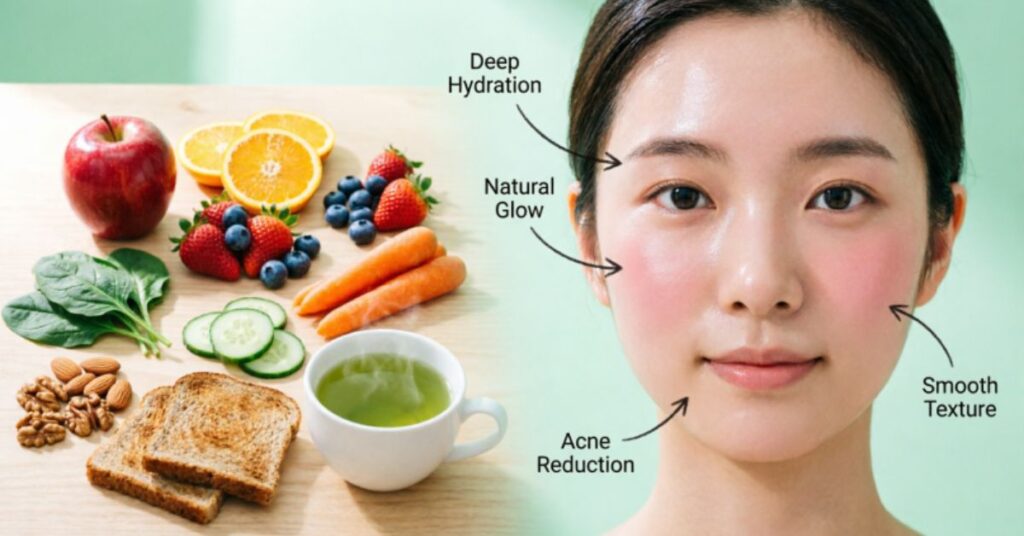
Persistent acne can be frustrating, particularly when you are already following a skincare routine and still experiencing breakouts. While hormones, genetics, stress, and skincare products can all influence your skin, your eating habits may also play a role. Certain dietary patterns have been associated with acne in some people, making it useful to understand how food choices and skin changes may be connected. By tracking your meals and monitoring your breakouts, you can begin identifying possible triggers and make informed decisions about your skin health without resorting to unnecessary food restrictions.
Understanding the food and skin connection does not mean blaming yourself for acne or expecting your diet to solve every skin concern. Instead, it means looking at your daily habits as part of a broader approach to physical and emotional well-being.
Understanding the Connection Between Food and Acne
Acne develops when hair follicles become blocked with oil and dead skin cells. Inflammation and bacteria can contribute to the development of pimples, blackheads, whiteheads, and deeper blemishes. Although food is not the only factor involved, research suggests that certain eating patterns may influence acne symptoms in some individuals.
High-Glycemic Foods and Breakouts
High-glycemic foods are foods that can raise blood sugar relatively quickly. Examples include sugary beverages, sweets, white bread, and some highly processed snacks.
Rapid changes in blood sugar may influence hormones and biological processes associated with oil production and inflammation. Some studies have linked diets high in refined carbohydrates and added sugars with increased acne symptoms.
You do not need to eliminate carbohydrates to support healthy skin. Instead, consider including more fiber-rich options, such as oats, beans, vegetables, and whole grains. These foods can help create balanced meals and support general health.
Dairy Products and Acne
Dairy is another dietary factor researchers have examined. Some studies suggest an association between cow’s milk consumption and acne, although findings vary and do not establish that dairy causes breakouts in everyone.
If you regularly consume milk or other dairy products and suspect they may affect your skin, record your intake and monitor changes over time. Avoid removing an entire food group without considering your nutritional needs. A registered dietitian can help you find suitable alternatives if dietary adjustments are appropriate.
The Role of Overall Nutrition
Your skin needs nutrients to maintain its normal structure and function. A varied diet containing protein, healthy fats, vitamins, minerals, and fiber supports the body in many ways.
However, there is no single food that guarantees clear skin. Eating a balanced diet can support overall health, but acne may still require professional skincare or medical treatment.
Why Tracking Your Diet and Breakouts Can Help
When acne appears repeatedly, it is natural to search for an explanation. However, remembering everything you ate and how your skin looked several days later can be difficult.
A food and skin diary provides a simple way to collect useful information. Instead of guessing which foods might be responsible, you can review your habits and look for recurring patterns.
1. Start With a Simple Food Diary
Record your meals, snacks, and beverages each day. Include foods you commonly eat, as well as anything you suspect may be associated with breakouts.
Your diary does not need to be complicated. A notebook, spreadsheet, or notes application can work well.
For example, you might record:
- Breakfast: Oatmeal, fruit, and coffee.
- Lunch: Chicken, brown rice, and vegetables.
- Snack: Yogurt and nuts.
- Dinner: Fish, roasted vegetables, and water.
You can also note portion sizes when useful, but avoid turning the process into strict calorie counting. The purpose is to understand your eating patterns, not judge your food choices.
2. Record Changes in Your Skin
Alongside your meals, document how your skin looks and feels. Note new pimples, redness, oiliness, irritation, and the areas where breakouts appear.
Taking photographs once or twice a week under similar lighting can make changes easier to compare. Try to record observations consistently rather than checking your skin repeatedly throughout the day.
Remember that acne does not necessarily appear immediately after eating a particular food. A single breakout cannot establish a dietary connection. Look for patterns that occur repeatedly over time.
3. Track Stress, Sleep, and Skincare Habits
Diet is only one part of skin health. Stress, sleep quality, hormonal changes, medications, and skincare products can also influence breakouts.
For this reason, include a few additional notes in your diary:
- How many hours you slept.
- Whether you experienced unusual stress.
- Whether you started using a new skincare product.
- Any significant changes in exercise or daily routines.
- Hormonal changes, when relevant.
This information can help you understand why your skin changes during certain periods. For example, you might notice more breakouts during stressful weeks, even when your meals remain consistent.
How to Identify Possible Food Triggers Without Restrictive Dieting
Once you have tracked your habits for several weeks, review your notes. Look for foods or dietary patterns that appear regularly before periods of increased acne.
The goal is to identify possible connections, not to assume that every repeated food is a trigger.
Change One Habit at a Time
If you suspect a particular food may be associated with breakouts, consider discussing a reasonable trial adjustment with a healthcare professional or registered dietitian.
Changing one factor at a time makes it easier to evaluate whether the adjustment appears helpful. If you eliminate several foods simultaneously, you may not know which change made a difference.
Avoid extreme elimination diets, skipping meals, or cutting out entire food groups without professional guidance. These approaches can create nutritional gaps and make your relationship with food more stressful.
Give Your Skin Time to Respond
Skin changes do not always happen overnight. Acne can develop gradually, and improvements may take weeks to become noticeable.
Continue recording your meals and skin condition throughout any agreed dietary trial. Be patient, and remember that a lack of improvement is useful information. It may indicate that other factors are more important in your situation.
Focus on Sustainable Eating Habits
A practical eating routine should support your overall health, not make everyday life more difficult. Consider these manageable habits:
- Include vegetables and fruit in your daily meals.
- Choose whole grains more often when possible.
- Include protein with meals to support nutritional needs.
- Drink water regularly throughout the day.
- Limit frequent consumption of highly processed foods and sugary beverages.
- Enjoy a varied diet without labeling foods as completely good or bad.
These habits can support general well-being while helping you maintain a balanced approach to nutrition.
The Importance of Mental and Emotional Well-Being
Skin concerns can affect more than physical appearance. Persistent acne may contribute to embarrassment, frustration, low confidence, and anxiety about social situations. Some people become so concerned about breakouts that they avoid photographs, gatherings, or activities they previously enjoyed.
It is important to recognize these feelings rather than dismiss them. Your emotional well-being deserves attention alongside your skincare routine.
Avoid Letting Food Tracking Become a Source of Stress
Monitoring your diet should help you understand your body, not create fear around eating. If you begin feeling guilty after meals, worrying excessively about ingredients, or avoiding social situations because of food choices, consider stepping back from tracking.
A balanced relationship with food is an important part of overall wellness. If food-related anxiety or restrictive eating becomes difficult to manage, a qualified mental health professional or registered dietitian can provide appropriate support.
Look at Your Health as a Whole
Physical health, mental well-being, sleep, nutrition, and daily routines are connected. A personalized approach considers these factors rather than focusing on one possible cause of acne.
For individuals also managing stress, emotional difficulties, or substance use concerns, professional support can help address broader health needs. Addiction recovery and mental health treatment may involve individualized care, structured routines, counseling, and appropriate levels of support, including inpatient or outpatient services when clinically indicated.
Although these services are different from dermatological acne treatment, the underlying principle is similar: meaningful progress begins with understanding individual needs and finding practical ways to address them.
When to Seek Professional Help for Acne
Diet tracking can provide useful observations, but it should not replace medical evaluation. A dermatologist can assess the type and severity of your acne and recommend appropriate treatment options.
Consider seeking professional advice if your acne is painful, persistent, worsening, or leaving scars. You should also consult a healthcare professional if sudden breakouts occur alongside other symptoms, such as irregular menstrual periods.
If acne is affecting your confidence or mental health, discussing those concerns is equally important. You do not have to wait until emotional distress becomes overwhelming before seeking support.
Conclusion: Make Informed Choices for Healthier Skin
The connection between food and skin health is worth understanding, but it is not the same for everyone. Certain dietary patterns may influence acne in some individuals, while hormones, genetics, stress, sleep, and skincare habits can also contribute to breakouts.
A simple food and skin diary can help you identify possible patterns and make informed decisions. Start by recording your meals, monitoring changes in your skin, and paying attention to other daily habits. Avoid unnecessary restrictions, focus on balanced nutrition, and seek professional guidance when acne persists.
Most importantly, remember that healthy skin is not a measure of personal worth, and breakouts are not a sign that you have failed to take care of yourself. With patience, realistic habits, and the right professional support, you can take positive steps toward better skin health and greater confidence.