Intake for Your Skin's Health

Caring for Your Skin by Monitoring What You Ingest

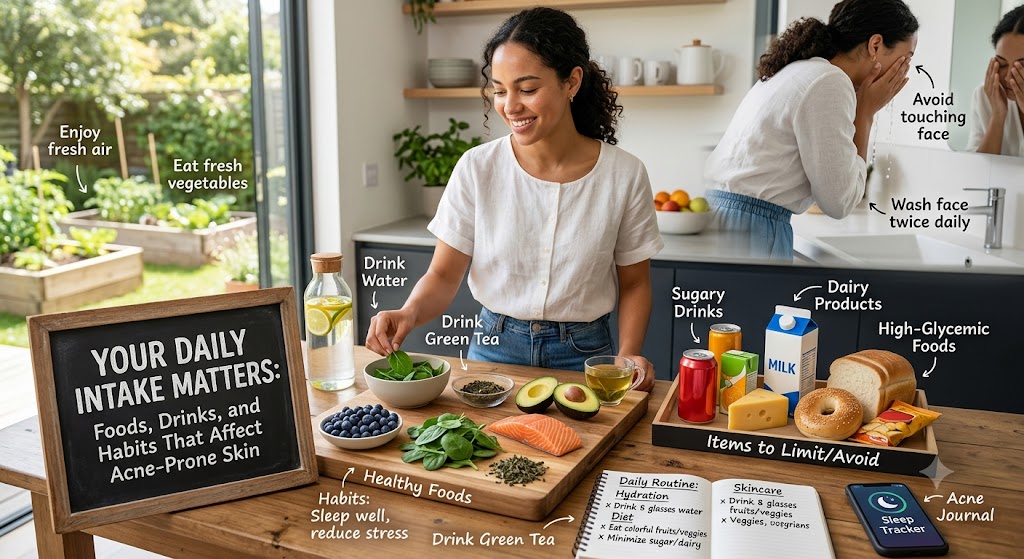
Foods That Heal and Foods That Harm: Taking Control of Your Skin from the Inside Out

March 19th, 2026

Clear, healthy skin starts from within. While topical treatments, medications, and professional care are essential, your daily diet has a profound impact on inflammation, hormone balance, and your skin’s ability to repair itself. Certain foods can support skin health and reduce breakouts, while others may trigger flare-ups and slow healing. For individuals navigating addiction recovery or managing mental health challenges, understanding the relationship between diet and skin health offers a practical and empowering way to take control of overall well-being.

By choosing the right foods, you can enhance the effectiveness of acne treatments and promote lasting improvements to your skin and overall health.

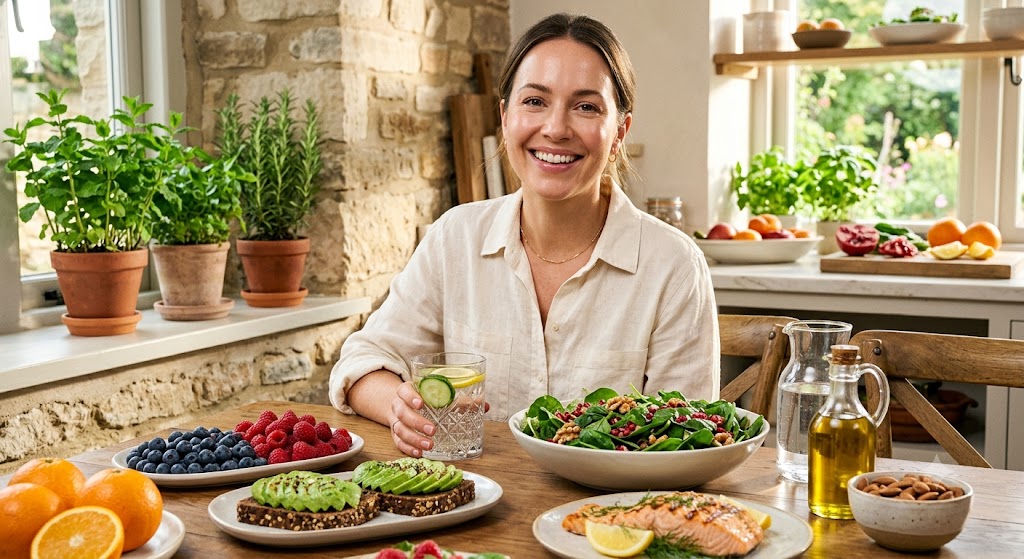
Foods That Heal: Nourishing Your Skin from Within

The foundation of healthy skin lies in nutrient-rich foods that support anti-inflammatory pathways, provide essential vitamins and minerals, and help regulate hormonal balance.

Leafy Greens and Colorful Vegetables

Vegetables such as spinach, kale, broccoli, and carrots are rich in vitamins A, C, and K. These nutrients support collagen production, regulate oil production, and protect against oxidative stress, helping your skin stay resilient and clear.

Fatty Fish and Healthy Fats

Salmon, sardines, and mackerel contain omega-3 fatty acids, which reduce inflammation and support skin hydration. Nuts, seeds, and avocado also provide essential fats that strengthen the skin barrier, locking in moisture and protecting against irritants.

Probiotics and Gut-Friendly Foods

Yogurt, kefir, sauerkraut, and other fermented foods help maintain a balanced gut microbiome. A healthy gut reduces systemic inflammation, improves digestion, and supports nutrient absorption—all of which are crucial for acne-prone skin.

Whole Grains and Fiber-Rich Foods

Oats, quinoa, brown rice, and other high-fiber foods stabilize blood sugar levels and support hormone balance. Fiber also promotes a healthy digestive system, which indirectly benefits the skin.

Foods That Harm: Triggers That May Worsen Breakouts

Some everyday foods can exacerbate acne by increasing inflammation, spiking insulin, or triggering hormonal fluctuations.

Sugary Foods and Drinks

Candy, pastries, sodas, and other high-sugar items cause rapid increases in blood sugar and insulin, stimulating oil production and leading to clogged pores. Consistent high sugar intake can contribute to chronic inflammation, worsening acne over time.

Dairy Products

Milk, cheese, and ice cream may influence insulin-like growth factor 1 (IGF-1), which can increase oil production and pore clogging. Some individuals find that reducing or moderating dairy intake supports clearer skin.

Refined and Processed Foods

White bread, pasta, chips, and packaged snacks are low in nutrients and can spike blood sugar levels, promoting inflammation and oil overproduction. Limiting processed foods helps your skin recover more efficiently.

Fried and Highly Processed Foods

Foods cooked in unhealthy oils or heavily processed snacks can worsen inflammation and oxidative stress. This may contribute to redness, irritation, and persistent acne.

Integrating Nutrition into Recovery and Holistic Care

For individuals in recovery or managing mental health conditions, diet plays a critical role in overall wellness. Substance use, stress, and emotional triggers can affect digestion, nutrient absorption, and inflammation. By prioritizing healing foods and minimizing harmful triggers, you support not only skin health but also emotional stability, energy levels, and resilience.

Mindful eating practices, structured meals, and tracking food responses can reinforce positive habits and complement professional acne treatments. Holistic, individualized care emphasizes that internal health, mental wellness, and skin appearance are interconnected.

Practical Tips to Start Nourishing Your Skin

  1. Include at least one serving of vegetables and fruits in every meal.
  2. Swap sugary drinks for water or herbal teas.
  3. Incorporate healthy fats such as nuts, seeds, and avocado daily.
  4. Limit processed, fried, and high-sugar foods gradually.
  5. Track your skin’s response to certain foods to identify personal triggers.

Even small, consistent changes can produce noticeable improvements in skin clarity and overall health.

Take Control of Your Skin from the Inside Out

Healthy skin is more than skin-deep. By understanding which foods support healing and which may trigger breakouts, you can take meaningful steps toward clearer, calmer skin. For those navigating acne alongside recovery or mental health challenges, mindful nutrition is a powerful tool for overall wellness.

If acne or skin concerns are affecting your confidence or quality of life, reach out to a trusted professional for personalized guidance. Integrating diet, holistic care, and individualized support allows you to take control of your skin and build a stronger foundation for long-term health and well-being.

Mindful Eating for Your Skin: How Balanced Nutrition Can Reduce Breakouts

March 11th, 2026

Healthy skin is often treated as a cosmetic concern, yet it reflects the condition of your entire body. While topical products and professional acne treatments are important, your daily nutrition plays a major role in inflammation, hormone balance, and your skin’s ability to heal. Mindful eating, which involves making intentional and balanced food choices, can significantly reduce breakouts and support overall wellness. For individuals navigating addiction recovery, mental health challenges, or high levels of stress, improving nutrition is a practical and empowering way to care for both physical and emotional health.

By understanding how food affects your body, you can take meaningful steps toward clearer skin while strengthening your foundation for recovery and long-term well-being.

The Connection Between Nutrition and Acne

Acne develops when pores become clogged with oil, bacteria, and dead skin cells. However, internal factors such as inflammation, blood sugar fluctuations, and hormonal imbalances often trigger or worsen these breakouts. Diets high in refined sugars, processed foods, and unhealthy fats can intensify these internal imbalances.

Balanced nutrition helps regulate these processes. Whole foods provide the vitamins, minerals, and antioxidants your skin needs to repair tissue, reduce inflammation, and maintain elasticity. When your body receives consistent nourishment, it is better equipped to heal blemishes and prevent new ones from forming.

Blood Sugar and Breakouts

Highly processed carbohydrates and sugary foods cause rapid spikes in blood sugar. These spikes trigger insulin surges that stimulate oil glands and increase inflammation. Over time, this cycle contributes to clogged pores and persistent acne.

Choosing complex carbohydrates such as whole grains, vegetables, and legumes helps maintain stable blood sugar levels. This stability supports hormonal balance and reduces acne triggers.

What Mindful Eating Means for Skin Health

Mindful eating is not about strict dieting or deprivation. Instead, it encourages awareness of what you eat, why you eat, and how foods affect your body. This approach promotes healthier habits that benefit both skin clarity and emotional wellness.

Key Principles of Mindful Eating

Eat with intention: Plan meals that include balanced portions of proteins, healthy fats, and fiber-rich carbohydrates.

Pay attention to hunger cues: Eating slowly and recognizing fullness prevents overeating and supports digestion.

Choose whole foods: Fresh vegetables, fruits, lean proteins, nuts, and seeds provide nutrients that processed foods lack.

Limit inflammatory triggers: Reduce excess sugar, fried foods, and heavily processed snacks that contribute to breakouts.

Nutrients That Help Reduce Breakouts

Certain nutrients are especially beneficial for acne-prone skin and overall healing.

Omega-3 Fatty Acids

Omega-3s reduce inflammation and help regulate oil production. Foods such as salmon, chia seeds, walnuts, and flaxseeds are excellent sources.

Zinc

Zinc supports immune function and helps reduce redness and irritation associated with acne. It can be found in pumpkin seeds, beans, lentils, and lean meats.

Vitamins A and C

Vitamin A supports healthy skin cell turnover, while vitamin C promotes collagen production and fights oxidative stress. Carrots, sweet potatoes, citrus fruits, and leafy greens provide these essential nutrients.

Nutrition, Recovery, and Emotional Well-Being

Individuals in addiction recovery or managing mental health conditions often experience nutritional imbalances due to stress, disrupted routines, or past substance use. These imbalances can increase inflammation and slow the body’s natural healing processes.

Mindful eating becomes an important part of holistic recovery. Balanced meals help stabilize mood, improve energy levels, and support brain function. Establishing regular eating patterns also encourages structure and self-discipline, which are valuable in recovery journeys.

Faith-based and holistic approaches to healing emphasize caring for the whole person. Nourishing your body with intention aligns with these principles by supporting physical restoration, emotional balance, and long-term resilience.

Practical Steps to Start Eating Mindfully

Small, consistent changes often produce the best results.

  1. Begin each day with a balanced breakfast that includes protein and fiber.
  2. Replace sugary drinks with water or herbal teas.
  3. Prepare meals at home when possible to control ingredients.
  4. Keep healthy snacks available to avoid processed options.
  5. Track foods that seem to trigger breakouts and adjust accordingly.

These steps make mindful eating manageable and sustainable.

A Holistic Path to Clearer Skin

Clear skin is rarely achieved through one solution alone. Combining professional acne treatments with balanced nutrition, mental health support, and personalized care creates a more effective path forward. Addressing internal factors such as inflammation and nutrient deficiencies enhances the results of topical therapies and medical interventions.

Holistic care recognizes that lifestyle choices, emotional wellness, and physical health are deeply connected. Supporting one area strengthens the others.

Support Your Skin by Nourishing Your Body

Mindful eating offers a practical and sustainable way to reduce breakouts and improve overall skin health. By choosing balanced meals, limiting inflammatory foods, and paying attention to your body’s needs, you create conditions that allow your skin to heal naturally.

If acne concerns are affecting your confidence or you are seeking comprehensive support for your well-being, professional guidance can make a meaningful difference. Personalized care that integrates nutrition, skin treatment, and holistic recovery support helps you achieve lasting results.

Taking the first step toward mindful nourishment can lead to clearer skin, improved health, and renewed confidence. Reach out today to begin a path that supports both your appearance and your long-term wellness.

From Nutrition to Glow: Simple Food Choices That Support Healthy Skin

March 4th, 2026

Healthy, glowing skin is not achieved by topical treatments alone. While cleansers, medications, and professional acne care are important, real and lasting skin improvement often begins with nutrition. The foods you choose each day influence inflammation, hormone balance, gut health, and your body’s ability to repair itself. For individuals navigating addiction recovery, mental health challenges, or significant life stress, paying attention to nutrition can become a powerful step toward both clearer skin and overall healing.

Understanding the connection between nutrition and skin health allows you to move beyond short-term fixes and build a foundation for long-term wellness.

Why Nutrition Matters for Skin Health

Your skin is your body’s largest organ. It reflects what is happening internally. Diets high in processed foods, sugar, and unhealthy fats can increase inflammation and trigger acne breakouts. At the same time, nutrient-dense whole foods provide the vitamins and minerals necessary for skin repair, hydration, and resilience.

When your body is nourished properly, it can regulate oil production more effectively, reduce redness and irritation, and support faster healing of blemishes.

The Inflammation Factor

Inflammation is a major contributor to acne and other skin conditions. Refined carbohydrates and excess sugar cause spikes in blood sugar and insulin levels. Over time, these spikes promote inflammation and increase sebum production, which can clog pores.

On the other hand, anti-inflammatory foods help calm the skin and reduce flare-ups. Making simple swaps in your daily meals can significantly improve your complexion.

Simple Food Choices That Support Healthy Skin

Improving your skin does not require complicated diets or extreme restrictions. Instead, focus on consistent, balanced nutrition.

1. Choose Colorful Vegetables and Fruits

Leafy greens, carrots, berries, and citrus fruits are rich in vitamins A and C. These nutrients support collagen production, regulate skin cell turnover, and protect against oxidative stress. The more color on your plate, the more antioxidants you provide to your skin.

2. Add Healthy Fats

Avocados, olive oil, walnuts, and flaxseeds contain healthy fats that support the skin barrier. A strong skin barrier locks in moisture and protects against environmental stressors.

3. Include Lean Proteins

Protein is essential for tissue repair. Eggs, beans, lentils, fish, and poultry provide amino acids that help rebuild damaged skin and promote healing after breakouts.

4. Support Gut Health

The gut and skin are closely connected. Yogurt with live cultures, kefir, and fiber-rich vegetables support a balanced microbiome. A healthy gut reduces systemic inflammation, which directly impacts acne severity.

5. Stay Hydrated

Water supports circulation, detoxification, and skin elasticity. Dehydration can make acne appear worse and slow the healing process. Aim for consistent hydration throughout the day.

Nutrition, Mental Health, and Recovery

For individuals in addiction recovery or managing mental health conditions, nutrition plays an even greater role. Substance use and chronic stress can disrupt digestion, deplete essential nutrients, and increase inflammation throughout the body.

Balanced meals help stabilize blood sugar levels, which supports mood regulation and reduces irritability. Nutrient-dense foods also replenish vitamins and minerals that may have been depleted during periods of stress or substance use.

Mindful eating can also be therapeutic. Slowing down, planning meals, and nourishing your body intentionally reinforces self-care and personal responsibility. These practices align with holistic and faith-based approaches to healing that focus on treating the whole person, not just symptoms.

Practical Steps to Begin Today

You do not need to change everything overnight. Start small and stay consistent.

  1. Replace one processed snack each day with a whole food option.
  2. Add one serving of vegetables to lunch and dinner.
  3. Reduce sugary drinks and increase water intake.
  4. Keep a simple food journal to track how your skin responds.
  5. Seek professional guidance if you need personalized nutritional support.

These manageable changes can produce noticeable improvements in both skin clarity and overall well-being.

A Holistic Approach to Clearer Skin

Healthy skin is part of a larger picture of health. When nutrition is combined with professional acne treatment, mental health support, and individualized care, results are stronger and more sustainable. Addressing internal factors such as inflammation, gut balance, and nutrient deficiencies enhances the effectiveness of topical therapies.

Holistic healing recognizes that physical health, emotional wellness, and lifestyle habits are interconnected. Supporting your body from the inside out builds resilience that extends far beyond your skin.

Conclusion: Nourish Your Body, Strengthen Your Glow

Clearer skin begins with daily choices. From adding more whole foods to reducing inflammation triggers, simple nutritional changes can dramatically support healthy skin. More importantly, these changes strengthen your overall health, emotional stability, and recovery journey.

If acne is affecting your confidence or you are seeking comprehensive support for your health, do not navigate it alone. Professional guidance that integrates skin care, nutrition, and holistic wellness can help you build lasting results. Reach out today to explore personalized care options that support your skin, your recovery, and your long-term well-being.

Your glow starts from within. The right nourishment can help you reclaim it.

The Gut-Skin Connection: Why What You Eat Matters More Than You Think

February 23rd, 2026

Healthy skin starts from within. While topical treatments, medications, and skincare routines play a role in managing acne and other skin conditions, your diet and gut health are equally important. The gut-skin connection is a growing area of research that shows how your digestive system influences inflammation, hormone balance, and the overall appearance of your skin. For individuals navigating addiction recovery, mental health challenges, or stress-related conditions, understanding this connection offers a powerful way to support both skin and overall wellness.

How the Gut Affects Your Skin

Your gut houses trillions of microorganisms that influence digestion, nutrient absorption, and immune function. When the balance of these gut bacteria is disrupted, it can lead to systemic inflammation and oxidative stress, both of which contribute to acne and other skin issues. A healthy gut supports efficient nutrient absorption, reduces inflammation, and helps regulate the body’s immune responses, creating the foundation for clearer, healthier skin.

Signs Your Gut May Be Affecting Your Skin

  • Frequent breakouts, especially along the jawline and cheeks
  • Slow healing of blemishes or inflamed areas
  • Bloating, indigestion, or irregular bowel movements
  • Sensitivity to certain foods that seem to trigger flare-ups

Recognizing these signs can guide you toward dietary adjustments and professional support that improve both gut and skin health.

Nutrients and Foods That Support Gut and Skin Health

Balanced nutrition is central to maintaining a healthy gut and, in turn, healthy skin. Specific nutrients and foods help reduce inflammation, support gut microbiota, and enhance skin repair.

Probiotic-Rich Foods

Fermented foods like yogurt, kefir, sauerkraut, and kimchi introduce beneficial bacteria into the gut. These probiotics help maintain microbial balance and support digestion, reducing inflammation that may lead to acne.

Prebiotic Foods

Prebiotics, found in garlic, onions, leeks, and bananas, provide nourishment for healthy gut bacteria. Feeding your microbiome can enhance its diversity, which is linked to better skin outcomes and improved overall health.

Anti-Inflammatory Nutrients

Omega-3 fatty acids from salmon, flaxseeds, and walnuts help calm systemic inflammation. Vitamins A, C, and E from colorful fruits and vegetables reduce oxidative stress and support skin repair.

Mindful Eating for Recovery and Skin Wellness

Individuals in recovery or managing mental health challenges often face unique stressors that affect digestion and nutrient absorption. Mindful eating—being intentional about what and how you eat—can support gut health, improve nutrient intake, and enhance the effectiveness of acne treatments.

Practical Tips for Supporting Your Gut and Skin

  1. Prioritize whole, nutrient-dense foods in every meal.
  2. Reduce processed foods, sugar, and refined carbohydrates that can disrupt gut balance.
  3. Stay hydrated to support digestion and detoxification.
  4. Observe which foods trigger flare-ups and track responses with a food journal.
  5. Consider professional guidance to create a personalized nutrition plan that integrates gut and skin health with recovery goals.

Conclusion

The gut-skin connection highlights the importance of holistic care in achieving clearer, healthier skin. By focusing on a balanced diet, supporting gut health with probiotics and prebiotics, and practicing mindful eating, you can reduce inflammation and enhance skin healing. For those managing acne alongside recovery or mental health challenges, these dietary strategies offer a powerful tool for overall wellness.

If acne or skin concerns are impacting your confidence or well-being, reach out to a trusted professional for personalized guidance. Integrating gut-friendly nutrition with individualized care and holistic support provides a strong foundation for healthier skin and lasting wellness.

Eat for Clearer Skin: How Your Daily Diet Impacts Acne and Overall Skin Health

February 13th, 2026

Clear, healthy skin is often seen as the result of creams, treatments, and skincare routines. While these play a role, what you eat each day has a profound impact on acne, inflammation, and your skin’s overall appearance. Nutrition influences hormone balance, immune function, and gut health—all of which affect how your skin looks and heals. For individuals navigating recovery or managing mental health challenges, mindful dietary choices can be an empowering step toward not only clearer skin but also overall wellness.

How Diet Influences Acne

Your skin reflects what is happening inside your body. Diets high in sugar, refined carbohydrates, and processed foods can trigger inflammation, increase oil production, and contribute to clogged pores. Conversely, nutrient-rich foods support skin repair, reduce inflammation, and promote a balanced complexion. Understanding the link between food and skin is essential for anyone seeking lasting results from acne treatment.

Nutrients That Support Healthy Skin

Vitamins A, C, and E: These vitamins help regulate skin cell turnover, boost collagen production, and protect skin from oxidative stress. Foods like leafy greens, citrus fruits, and nuts are excellent sources.

Zinc: Essential for immune function and inflammation control, zinc is found in pumpkin seeds, legumes, and lean proteins.

Omega-3 Fatty Acids: Present in salmon, flaxseeds, and walnuts, omega-3s help reduce inflammation and maintain skin hydration.

The Gut-Skin Connection

Gut health plays a significant role in skin clarity. An imbalanced gut microbiome can lead to systemic inflammation and exacerbate acne. Probiotic and prebiotic foods, such as yogurt, kefir, garlic, and onions, support a healthy gut and, in turn, healthier skin. Proper digestion and nutrient absorption from whole foods are key components of a holistic approach to acne management.

Practical Steps for Gut-Friendly Eating

  • Include fermented foods and probiotic supplements if needed.
  • Eat a variety of fiber-rich fruits, vegetables, and whole grains.
  • Drink plenty of water to support digestion and toxin elimination.
  • Observe how your body responds to certain foods and adjust accordingly.

Mindful Eating for Recovery and Mental Health

For those in recovery or managing mental health challenges, nutrition can be both a practical and empowering tool. Substance use, stress, and emotional triggers can impact digestion, nutrient absorption, and inflammation levels. Mindful eating—focusing on how, when, and what you eat—supports both emotional well-being and skin health. Combining nutrition with professional support and personalized care enhances overall results.

Tips for Mindful, Skin-Friendly Eating

  1. Plan balanced meals around nutrient-dense foods.
  2. Limit sugar, refined carbs, and excessive dairy that may trigger acne.
  3. Include healthy fats, such as avocado, nuts, and olive oil.
  4. Monitor your responses to certain foods using a food journal.
  5. Integrate hydration with water, herbal teas, and water-rich foods.

Conclusion

Your daily diet has a significant impact on your skin’s health and your overall well-being. By choosing nutrient-rich, anti-inflammatory foods, supporting gut health, and practicing mindful eating, you can enhance acne treatment results while promoting long-term wellness. For individuals managing acne alongside recovery or mental health challenges, these dietary choices offer a practical path toward empowerment and resilience.

If acne or skin concerns are affecting your confidence or overall health, reach out to a trusted professional for personalized guidance. Combining mindful nutrition with holistic care and individualized support can help you achieve clearer skin and a stronger foundation for lasting wellness.

From Plate to Pores: Understanding How Sugar, Dairy, and Inflammation Affect Your Skin’s Health

February 6th, 2026

Your skin is a reflection of your overall health. While topical treatments and professional care are important, what you eat can significantly influence acne and other skin concerns. Sugar, dairy, and inflammation are common dietary factors that may worsen breakouts or slow skin healing. Understanding how these elements affect your skin empowers you to make mindful choices that support both your appearance and your well-being. This approach is particularly valuable for individuals managing addiction recovery, mental health challenges, or other stress-related conditions.

How Sugar Impacts Your Skin

Consuming high amounts of sugar can trigger spikes in blood sugar and insulin. These fluctuations can increase oil production, clog pores, and lead to acne flare-ups. Over time, sugar also contributes to systemic inflammation, which may impair skin healing and exacerbate existing skin conditions.

Practical Tips for Reducing Sugar

  • Limit sugary drinks, desserts, and processed snacks.
  • Choose whole fruits for natural sweetness and antioxidants.
  • Monitor your body’s response to different types of sugar to identify personal triggers.

The Role of Dairy in Acne

Dairy products such as milk, cheese, and ice cream can influence hormones that affect oil production. Some studies suggest that dairy consumption, particularly skim milk, may contribute to acne in susceptible individuals. For people in recovery, where hormonal balance and nutrient absorption can already be sensitive, moderating dairy intake can help reduce potential skin flare-ups.

How to Make Dairy-Friendly Choices

  • Substitute plant-based milk alternatives like almond, oat, or soy milk.
  • Incorporate calcium-rich vegetables such as broccoli and kale to maintain bone health.
  • Pay attention to your skin’s response and adjust intake accordingly.

Inflammation and Its Connection to Skin Health

Inflammation is a key factor in acne development. Foods that trigger systemic inflammation—such as highly processed snacks, fried foods, and refined carbohydrates—can worsen redness, swelling, and irritation. Conversely, anti-inflammatory foods help calm the skin, reduce breakouts, and support overall wellness.

Anti-Inflammatory Foods for Healthier Skin

  • Fatty fish like salmon and mackerel provide omega-3 fatty acids.
  • Nuts and seeds, including walnuts and flaxseeds, supply healthy fats.
  • Colorful vegetables and fruits offer antioxidants that combat oxidative stress.

Mindful Nutrition for Recovery and Skin Health

Individuals navigating addiction recovery and mental health challenges often face unique nutritional needs. Substance use, stress, and emotional triggers can affect digestion, nutrient absorption, and inflammation levels. Integrating a diet that reduces sugar, moderates dairy, and emphasizes anti-inflammatory foods supports not only clearer skin but also emotional and physical resilience.

Practical Steps for Mindful Eating

  1. Plan meals around whole, nutrient-dense foods.
  2. Monitor how certain foods impact your skin and mood.
  3. Stay hydrated to support detoxification and maintain skin elasticity.
  4. Consult with healthcare providers or nutrition specialists for individualized guidance.

Conclusion

Your diet has a powerful effect on your skin’s health. By understanding how sugar, dairy, and inflammation influence breakouts and skin healing, you can make informed choices that support clearer, calmer skin. For those managing acne alongside recovery or mental health challenges, mindful nutrition provides a holistic path to wellness.

If acne or skin concerns are affecting your confidence or overall well-being, reach out to a trusted professional for personalized guidance. Combining mindful dietary choices with individualized care and holistic support empowers you to achieve healthier skin and a stronger foundation for long-term recovery and wellness.

Mindful Eating for Your Skin: How Balanced Nutrition Can Enhance Acne Treatment Results

January 29th, 2026

Clear, healthy skin is not just about topical creams or medications. What you eat has a profound impact on inflammation, hormone balance, and your skin’s ability to heal. Mindful eating—the practice of making conscious, balanced dietary choices—can enhance the results of acne treatment and support overall wellness. For individuals navigating recovery, mental health challenges, or other stressors, paying attention to nutrition can be a powerful tool for both physical and emotional health.

The Role of Nutrition in Acne Management

Your skin reflects your internal health. Diets high in sugar, refined carbohydrates, and processed foods can increase inflammation, worsen acne flare-ups, and slow healing. On the other hand, nutrient-rich foods provide the building blocks your skin needs to repair, regenerate, and maintain balance.

Essential Nutrients for Healthy Skin

Vitamins A, C, and E: These vitamins help regulate cell turnover, boost collagen production, and protect skin from oxidative stress. Leafy greens, citrus fruits, nuts, and seeds are excellent sources.

Zinc: Zinc reduces inflammation and supports immune function. Including pumpkin seeds, legumes, and lean proteins in your diet can help maintain healthy levels.

Omega-3 Fatty Acids: Found in fatty fish, flaxseeds, and walnuts, omega-3s help reduce inflammation and maintain skin hydration.

By including these nutrients regularly, you can complement acne treatments and enhance their effectiveness.

Mindful Eating Practices for Skin Health

Mindful eating involves more than choosing healthy foods. It is about paying attention to how, when, and why you eat. This practice supports both physical health and emotional well-being, which are crucial for those in recovery or managing mental health challenges.

Tips for Mindful Eating

  1. Eat Slowly and Intentionally: Pay attention to flavors, textures, and portion sizes. This encourages better digestion and reduces overeating.
  2. Prioritize Whole Foods: Focus on vegetables, fruits, whole grains, lean proteins, and healthy fats. These provide essential nutrients for skin repair and overall wellness.
  3. Limit Trigger Foods: Reduce intake of sugary snacks, processed foods, and excessive dairy, which can contribute to inflammation and acne flare-ups.
  4. Stay Hydrated: Water is essential for skin hydration and toxin elimination. Herbal teas and water-rich fruits and vegetables also contribute to hydration.
  5. Listen to Your Body: Notice which foods support clear skin and which may trigger breakouts. Keeping a food journal can help identify patterns.

Integrating Nutrition with Holistic Skin Care

Balanced nutrition works best when combined with a holistic approach that considers mental health, recovery, and individualized care. Stress and substance use can affect digestion, nutrient absorption, and hormone levels, all of which influence skin health. By focusing on mindful eating alongside professional support, you address the root causes of acne and strengthen overall wellness.

Practical Steps for Lasting Results

  • Pair acne treatments with a nutrient-rich diet for optimal effectiveness.
  • Work with healthcare professionals to create a personalized nutrition plan.
  • Incorporate stress-management practices such as meditation, journaling, or counseling to reduce hormone-driven acne triggers.
  • Support gut health with probiotics and prebiotics, which can improve digestion and reduce inflammation.

Conclusion

Mindful eating is more than a diet trend—it is a holistic practice that can enhance acne treatment results and promote overall health. By choosing nutrient-rich foods, staying hydrated, and paying attention to how your body responds, you can support clearer, calmer skin while improving your mental and emotional well-being. For individuals in recovery or managing stress and mental health challenges, integrating mindful eating into daily routines provides a powerful path toward lasting wellness.

If acne or related skin concerns are affecting your confidence or quality of life, reach out to a trusted professional for personalized guidance. With a balanced approach to nutrition and holistic care, achieving healthier skin and overall wellness is within reach.

The Skin‑Food Connection: 7 Everyday Foods That Help (and Hurt) Acne‑Prone Skin

January 22nd, 2026

Acne is more than a surface-level issue. While creams, cleansers, and medications play a role, the foods you eat can have a profound effect on your skin’s health. Certain everyday foods can either support clearer, calmer skin or trigger flare-ups. For individuals managing recovery, mental health challenges, or other stressors, understanding this skin-food connection can be an empowering step toward holistic well-being.

Foods That Support Healthy Skin

The first step in building a skin-friendly diet is including nutrient-rich foods that reduce inflammation, support immune function, and promote healing.

1. Leafy Greens

Vegetables such as spinach, kale, and Swiss chard are packed with vitamins A, C, and K. These nutrients help regulate oil production, fight oxidative stress, and support collagen formation, which is essential for healthy, resilient skin.

2. Berries

Strawberries, blueberries, and raspberries are rich in antioxidants and vitamin C. These compounds reduce inflammation, support skin repair, and help maintain a clear complexion. Incorporating berries into breakfast or snacks can be both tasty and beneficial.

3. Fatty Fish

Salmon, mackerel, and sardines provide omega-3 fatty acids, which reduce inflammation and support skin hydration. For individuals in recovery, fatty fish also provide essential protein and nutrients that help restore overall health.

4. Nuts and Seeds

Almonds, walnuts, chia seeds, and flaxseeds are excellent sources of vitamin E and healthy fats. These nutrients protect the skin from oxidative damage, maintain elasticity, and promote calm, balanced skin.

Foods That Can Worsen Acne

Not all foods support skin health. Some common dietary choices can increase inflammation, hormone fluctuations, and oil production, leading to breakouts.

5. Sugary Foods and Drinks

Sweets, sodas, and processed snacks can spike insulin levels and trigger inflammation. Over time, this may worsen acne flare-ups and contribute to dull, uneven skin.

6. Dairy Products

Milk, cheese, and ice cream can affect hormones like insulin-like growth factor 1, which may increase oil production and clog pores. Some individuals notice improved skin clarity when reducing dairy intake.

7. Refined Carbohydrates

White bread, pasta, and pastries can cause rapid blood sugar spikes. This may lead to increased oil production and inflammation, creating an environment for acne to thrive.

Practical Tips for Eating for Your Skin

  1. Include a variety of colorful vegetables and fruits every day.
  2. Choose whole grains over refined carbohydrates.
  3. Limit added sugar and highly processed foods.
  4. Incorporate fatty fish, nuts, and seeds for anti-inflammatory support.
  5. Monitor your personal reactions to dairy and other potential triggers.
  6. Stay hydrated with water and herbal teas to maintain skin elasticity and toxin elimination.

The Holistic Approach

Skin health is interconnected with mental health, recovery, and overall well-being. Stress, hormone fluctuations, and nutritional deficiencies can all impact acne. Adopting a mindful, nutrient-focused diet alongside professional guidance for recovery or mental health support can help promote clearer, calmer skin. Personalized nutrition strategies, combined with holistic care, make lasting improvements possible.

Conclusion

Your daily food choices can either help or hinder your journey to healthy skin. By focusing on nutrient-rich, anti-inflammatory foods and minimizing sugar, dairy, and refined carbs, you support not only skin health but overall wellness and recovery. If acne is affecting your confidence or interfering with your well-being, reach out to a trusted professional for guidance. With personalized support and mindful nutrition, you can achieve skin that looks and feels healthier while enhancing your holistic health journey.

Beyond Topicals: How Nutrition and Gut Health Support Clearer, Calmer Skin

January 14th, 2026

When it comes to acne, most people think the solution lies in creams, cleansers, or prescription medications. While topical treatments are important, true skin health begins from the inside. Your diet and gut health play a central role in how your skin looks, feels, and responds to stress. Understanding this connection can empower those managing acne, mental health challenges, or recovery from substance use to take proactive, holistic steps toward clearer and calmer skin.

The Link Between Nutrition and Skin Health

What you eat directly affects inflammation levels in your body, hormone balance, and the production of oils that can lead to acne. Diets high in sugar, refined carbohydrates, and unhealthy fats can trigger flare-ups, while nutrient-rich foods help calm inflammation, strengthen your immune system, and support skin repair.

Key Nutrients for Healthy Skin

Vitamins and Antioxidants: Vitamin A helps regulate cell turnover, preventing clogged pores. Vitamin C and E act as antioxidants that combat oxidative stress, aiding in repair and collagen production. Bright fruits and vegetables are excellent sources.

Zinc: Essential for reducing inflammation and supporting healing, zinc can be found in pumpkin seeds, lentils, and lean meats.

Omega-3 Fatty Acids: Found in fatty fish, walnuts, and flaxseeds, omega-3s reduce inflammation and help maintain hydration in the skin.

Focusing on a balanced diet rich in these nutrients is especially important for individuals in recovery, as substance use and stress can deplete essential vitamins and minerals.

Gut Health and Its Role in Skin Clarity

The gut-skin axis is a well-established concept in dermatology and holistic health. A healthy gut microbiome not only supports digestion and nutrient absorption but also influences inflammation and immune function. Imbalances in gut bacteria can contribute to skin conditions, including acne, eczema, and rosacea.

Supporting a Healthy Gut

Probiotics: Incorporating fermented foods like yogurt, kefir, sauerkraut, or a quality probiotic supplement can help restore gut balance.

Prebiotics: Foods such as onions, garlic, and bananas feed beneficial gut bacteria, supporting overall microbiome health.

Fiber: A diet high in fiber from vegetables, fruits, and whole grains helps regulate digestion and stabilize blood sugar levels, which can reduce acne triggers.

By nurturing your gut health, you support systemic wellness, which in turn can lead to calmer, clearer skin.

The Intersection of Mental Health, Recovery, and Skin

Stress and mental health challenges play a direct role in skin health. Cortisol and other stress hormones can increase oil production and trigger inflammation, worsening acne. Individuals in recovery may face unique stressors that affect both their skin and overall wellness. Mindful nutrition, hydration, and gut-friendly foods are practical ways to support emotional well-being while enhancing skin health.

Practical Steps for Holistic Skin Care

  1. Prioritize nutrient-dense meals with a variety of colorful vegetables and fruits.
  2. Incorporate probiotic and prebiotic foods to support gut health.
  3. Limit processed foods, excess sugar, and alcohol that may aggravate acne.
  4. Stay hydrated with water and herbal teas to support detoxification.
  5. Consider professional guidance for personalized nutrition plans integrated with recovery and mental health support.

Conclusion

Achieving clearer, calmer skin goes far beyond topicals. By focusing on nutrition, gut health, and mindful eating, you can reduce inflammation, support healing, and enhance overall well-being. For individuals managing acne alongside recovery or mental health challenges, these internal strategies can be transformative. Taking small, consistent steps toward a healthier diet and balanced gut microbiome empowers both your skin and your body.

If acne or related skin concerns are affecting your confidence or wellness, reach out to a trusted professional. Personalized guidance can help you combine nutrition, holistic care, and recovery strategies to achieve lasting skin health and overall resilience.

Feed Your Skin: What You Eat (and Drink) Really Matters for Acne and Overall Skin Health

January 6th, 2026

Healthy, glowing skin starts from the inside. While topical treatments, medications, and skincare routines play an important role in managing acne, what you consume can be just as powerful. Nutrition, hydration, and mindful eating habits significantly influence your skin’s appearance and overall health. For individuals navigating the challenges of addiction recovery, mental health concerns, or other life stressors, understanding the link between diet and skin can provide both physical and emotional benefits.

How Nutrition Impacts Your Skin

Your skin reflects the state of your body. Foods high in sugar, processed carbohydrates, and unhealthy fats can contribute to inflammation and worsen acne flare-ups. On the other hand, nutrient-dense foods rich in vitamins, minerals, and antioxidants support skin regeneration, reduce inflammation, and improve resilience.

Key nutrients that promote skin health include:

Vitamins A and C

Vitamin A helps regulate skin cell turnover and prevent clogged pores, while vitamin C supports collagen production and reduces oxidative stress. Foods such as leafy greens, citrus fruits, and carrots are excellent sources.

Zinc

Zinc plays a crucial role in controlling inflammation and supporting immune function. Including pumpkin seeds, lentils, and lean meats can help maintain healthy zinc levels.

Omega-3 Fatty Acids

Found in fatty fish, walnuts, and flaxseeds, omega-3s help reduce inflammation and improve skin hydration.

Hydration and Skin Health

Water is essential for maintaining elasticity, flushing toxins, and supporting overall skin function. Dehydration can make the skin look dull, exacerbate acne, and slow the healing process. Herbal teas, water-rich fruits, and vegetables are helpful additions to your daily fluid intake.

The Connection Between Mental Health, Recovery, and Skin

Stress, anxiety, and substance use can directly affect your skin. Hormonal imbalances caused by stress may trigger acne flare-ups, while certain substances can dehydrate your body or disrupt nutrient absorption. Focusing on balanced nutrition and hydration is an important step in a holistic recovery journey. By making mindful choices, individuals can support not only their skin but also their mental well-being and long-term recovery goals.

Practical Tips for Feeding Your Skin

  1. Incorporate a Rainbow of Vegetables and Fruits: Aim for a variety of colors to maximize antioxidants and vitamins.
  2. Limit Sugar and Processed Foods: Reduce foods that spike insulin and promote inflammation.
  3. Choose Healthy Fats: Include sources like avocado, nuts, and olive oil to support skin cell membranes.
  4. Stay Consistently Hydrated: Make water your main beverage and limit sugary drinks or alcohol.
  5. Monitor Food Reactions: Keep a journal to identify which foods worsen acne or skin sensitivity.

Holistic and Personalized Approaches

In addition to dietary adjustments, a holistic approach considers mental health, stress management, and individualized care. Professional guidance from healthcare providers can help integrate nutrition with treatment plans, counseling, and recovery programs. This integrated method promotes not only healthier skin but also improved overall wellness and resilience during addiction recovery.

Conclusion

Your skin is a reflection of your overall health, and what you eat and drink plays a significant role. By adopting mindful eating habits, staying hydrated, and focusing on nutrient-rich foods, you can support clearer, healthier skin. For those managing recovery or mental health challenges, these changes can be empowering steps toward holistic well-being. If you are struggling with acne or its underlying contributors, reach out to a trusted professional for personalized guidance. Small, consistent changes in nutrition and lifestyle can make a lasting difference in both your skin and your recovery journey.