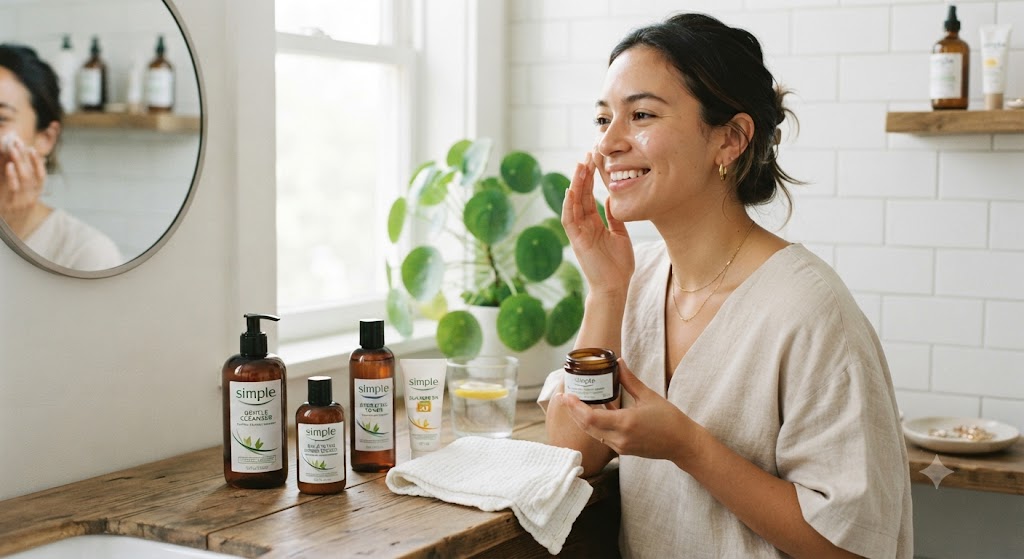
Clear, balanced skin is influenced by more than the products you apply each morning and evening. Your daily food and beverage choices also play an important role in how your skin looks, feels, and heals. While there is no single diet that guarantees acne-free skin, becoming more aware of what you consume can help you identify habits that support healthier skin over time. By tracking your nutrition and making thoughtful adjustments, you can better understand your body’s unique needs and create a foundation for lasting skin wellness.
For individuals recovering from addiction, managing mental health challenges, or working to improve their overall well-being, nutrition is an essential part of healing. A balanced diet supports not only healthier skin but also energy levels, mood, immune function, and long-term recovery.
Why Tracking Your Diet Can Benefit Your Skin
Acne develops for many reasons, including genetics, hormones, stress, skincare habits, and inflammation. Nutrition is another important piece of the puzzle. Although certain foods affect everyone differently, keeping track of what you eat can reveal patterns that may otherwise go unnoticed.
Instead of guessing which foods may be contributing to breakouts, a simple food journal allows you to make informed decisions based on your own experiences.
Recognizing Personal Triggers
Some people notice more breakouts after consuming foods high in added sugar or refined carbohydrates. Others may find that certain dairy products or heavily processed foods affect their skin. Tracking your meals alongside changes in your complexion can help you identify possible triggers without relying on unnecessary dietary restrictions.
This approach encourages awareness rather than perfection.
Nutrients That Help Support Healthy Skin
Monitoring what you consume is not only about identifying foods to limit. It is equally important to recognize the foods that actively support healing and skin health.
Antioxidant Rich Fruits and Vegetables
Fresh fruits and vegetables provide vitamins, minerals, and antioxidants that help protect skin cells from damage. Colorful produce such as berries, spinach, carrots, sweet potatoes, broccoli, and citrus fruits supplies nutrients that support collagen production and healthy skin renewal.
Aim to include a variety of colors throughout the week to maximize nutritional benefits.
Lean Protein for Skin Repair
Protein provides the amino acids needed to repair damaged tissue and build healthy new skin cells. Good sources include:
- Chicken
- Turkey
- Fish
- Eggs
- Beans
- Lentils
- Tofu
Including protein with each meal also helps maintain steady energy levels throughout the day.
Healthy Fats for Skin Balance
Healthy fats strengthen the skin’s protective barrier while supporting hydration and reducing inflammation.
Excellent choices include:
- Avocados
- Olive oil
- Walnuts
- Chia seeds
- Flaxseeds
- Salmon
These foods contribute to healthier skin while also supporting heart and brain health.
Water and Hydration
Hydration is often overlooked when discussing skin health. Drinking enough water supports circulation, nutrient delivery, and the body’s natural healing processes. Proper hydration also helps maintain skin elasticity and overall skin function.
The Gut and Skin Connection
The digestive system plays a significant role in overall health, including the health of your skin. A balanced gut microbiome helps regulate inflammation and improves nutrient absorption.
Adding gut-friendly foods to your diet may benefit both digestion and skin clarity.
Examples include:
- Yogurt with live cultures
- Kefir
- Kimchi
- Sauerkraut
- High fiber fruits
- Vegetables
- Whole grains
When your digestive system functions well, your body is better equipped to support healthy skin from within.
Nutrition During Addiction Recovery and Mental Health Treatment
Individuals recovering from substance use disorders or managing mental health conditions often experience nutritional deficiencies or disrupted eating habits. Recovery is about rebuilding health on every level, and nutrition plays a vital role in that process.
Balanced meals can help restore nutrient levels, improve concentration, stabilize mood, and provide sustained energy throughout the day. Healthy eating habits also create daily structure, which can support emotional wellness and long-term recovery.
Holistic treatment approaches recognize that healing involves the entire person. Whether someone participates in inpatient treatment, outpatient care, faith-based support, or individualized counseling, nutrition complements these services by strengthening physical and emotional resilience.
Simple Ways to Track What You Consume
Tracking your diet does not need to be complicated. Start with a simple notebook or digital journal and record:
What You Eat
Write down meals, snacks, and beverages throughout the day.
When You Eat
Notice if long periods without eating affect your energy, mood, or skin.
How Your Skin Responds
Record changes in breakouts, redness, oil production, or irritation over the following days.
How You Feel
Pay attention to your energy, stress levels, digestion, and overall wellness. These factors often work together and may provide valuable insight into your health.
Over time, this information can help you recognize habits that support clearer skin and overall well-being.
Conclusion: Awareness Leads to Better Skin Health
Supporting clear, balanced skin begins with understanding your body’s unique needs. Tracking what you consume is a practical and empowering way to identify eating habits that may influence acne while also highlighting the foods that help your body heal.
When combined with professional skincare, healthy lifestyle choices, and personalized support, mindful nutrition can become an important part of your wellness journey.
If acne is affecting your confidence or quality of life, consider seeking professional guidance that takes a whole-person approach to care. Programs that integrate nutrition, mental health support, individualized treatment, and holistic healing can help you achieve healthier skin while supporting your overall recovery and well-being.
Every meal is an opportunity to care for yourself. By becoming more intentional about what you consume, you take another meaningful step toward clearer skin, better health, and lasting confidence.
